Decoding the Complex Dynamics of Local SEO for Service Providers
In the fiercely competitive landscape of local service marketing, securing prominent positioning on Google Maps differentiates thriving contractors from struggling ones. As an authority in the domain, understanding the intricate factors that influence maps rankings is essential for leveraging effective SEO tactics. This article delves into advanced strategies for optimizing local SEO, emphasizing the critical role of maps-based visibility for trades like plumbing and home services.
How Mapping Algorithms Shape Local Service Success
Google’s local algorithms intricately assess trustworthiness, relevance, and proximity to determine rankings, often leveraging complex machine learning models. For plumbers and home service firms, mastering these signals involves a nuanced approach encompassing quality citations, authoritative reviews, and precise NAP (Name, Address, Phone number) consistency. According to Moz’s local ranking factors report, reviews and Google My Business (GMB) optimization significantly impact map visibility, urging service providers to prioritize reputation management alongside technical SEO.
The Power of Strategic Google My Business Optimization
Beyond mere claiming and verifying GMB profiles, advanced optimization incorporates keyword-rich descriptions, structured data markup, and strategic categorization. Implementing schema.org LocalBusiness markup enhances search engine understanding, potentially elevating rankings. Regular posting of localized content and timely review responses demonstrate active engagement, signaling authenticity and authority to both users and search engines.
Leveraging Local Citations and Link Signals for Competitive Edge
Ensuring consistent, high-quality citations across authoritative directories bolsters local presence. Embedding contextual backlinks from reputable industry associations or local chambers reinforces domain authority, a crucial ranking determinant. Openly available data, such as from white papers by SEMrush, confirms the correlation between backlink profile strength and higher maps rankings for service businesses.
How Can Service Contractors Overcome Map Visibility Challenges in Saturated Markets?
What Advanced Tactics Enable Plumbers and Home Services to Outrank Competitors on Google Maps?
Achieving dominance requires a multi-layered approach: hyper-local SEO targeting, leveraging Google Posts for timely updates, and obtaining niche-specific backlinks. Implementing location-specific schema markup combined with strategic review acquisition in underserved neighborhoods can provide a competitive advantage. Continuous analysis of competitors’ SEO strategies using tools like BrightLocal or Whitespark can uncover gaps and opportunities, leading to more informed optimization efforts.
For comprehensive insights into elevating your local maps rankings, explore our detailed guide on Maps Ranking for Plumbers. Additionally, engaging with industry-specific forums and consulting local SEO experts can uncover nuanced tactics tailored to your geographic and service niche.
If you’re committed to refining your local marketing strategies, consider contributing your experiences and success stories to enrich this community’s knowledge base.
External Source: Moz Local Ranking Factors 2023. Available at Moz.
Leveling Up Your Maps Optimization with Niche Focus
To truly stand out in crowded local markets, service providers must tailor their SEO efforts to specific neighborhoods and communities. Niche-focused optimization involves creating hyper-local content, such as neighborhood guides or community spotlight articles, which can attract highly relevant traffic and reinforce your authority within targeted areas. Incorporating localized keywords naturally into your website and GMB posts, and optimizing your service descriptions for these areas, can significantly enhance your visibility, especially when combined with consistent citation management across regional directories. For a step-by-step approach, review our comprehensive guide on Your Service SEO Guide.
Challenging Assumptions: Is Reviews Quality More Important Than Quantity?
Many believe that accumulating a high volume of reviews automatically boosts local rankings. However, recent insights from industry leaders like BrightLocal suggest that the quality and relevance of reviews play a more critical role. Authentic, detailed reviews from satisfied clients that mention specific services or outcomes help search engines better assess trustworthiness and relevance. Encouraging clients to leave reviews that include targeted keywords relevant to your niche can multiply the SEO benefits. Remember, genuine engagement with reviews—responding promptly and professionally—further signals active reputation management, which search algorithms favor.
How Can Service Businesses Implement Cutting-Edge Tools to Track and Optimize Map Rankings?
Staying ahead demands the use of advanced tracking tools like Maps Ranking for Trades and Maps Ranking Tips for Home Services. These platforms provide real-time data, competitor insights, and opportunity gap analysis that enable contractors to refine their strategies dynamically. For example, analyzing local search data can reveal underserved neighborhoods where targeted review acquisition or schema markup optimization can yield rapid improvements. Integrating such tools into your routine weekly SEO audits ensures your efforts remain data-driven and adaptable.
If you’re eager to amplify your local search dominance, sharing your experiences or asking questions about your specific challenges can foster community engagement. Drop your thoughts in the comments or reach out through our contact page.
External Source: BrightLocal Local Consumer Review Survey 2023. Available at BrightLocal.
,
Harnessing Local Data Analytics for Precision SEO Targeting
In the high-stakes arena of local service marketing, the ability to interpret and leverage granular data can be the difference between visibility and obscurity. Advanced tools like heatmap analysis, geospatial trends, and customer behavior metrics enable contractors to fine-tune their SEO strategies with surgical precision. For instance, integrating local traffic flow studies with your Google Analytics data helps identify underserved zones, facilitating targeted content creation and review campaigns that directly impact map rankings. Moreover, employing predictive analytics models can forecast emerging neighborhood trends, allowing proactive adjustments to your local SEO endeavors.
How Can Machine Learning Elevate Your Local SEO Efforts?
Machine learning models now empower service providers to analyze vast datasets for pattern recognition, informing smarter optimization. For example, sentiment analysis algorithms can assess review quality and relevance at scale, guiding reputation management efforts more effectively. Additionally, natural language processing (NLP) techniques can optimize your Google Posts and service descriptions to include contextually relevant keywords, aligning with evolving search intents. Leading platforms like BrightLocal integrate ML-powered insights that help identify ranking opportunities and flag potential issues before they impact visibility. Integrating these capabilities into your routine can exponentially boost your local SEO performance, providing a competitive edge in saturated markets.
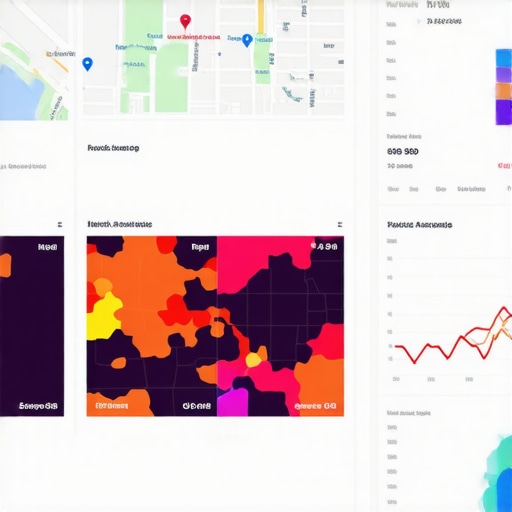
Image prompt: A detailed digital dashboard displaying geospatial data, heatmaps, and trend analytics for local SEO optimization in service industries.
Building a Hyper-Localized Content Ecosystem to Solidify Community Authority
Beyond technical tweaks, cultivating a rich, community-focused content ecosystem acts as a catalyst for local dominance. Developing hyper-local content—such as neighborhood success stories, client testimonials from specific communities, or local event sponsorships—creates multiple touchpoints for search engines to associate your brand with community relevance. The strategic deployment of schema markup for event and community activity pages further signals your active engagement to search engines, strengthening your local authority.
Empirical evidence from SEMrush’s Local SEO Benchmarks illustrates that businesses with diverse, community-integrated content see a 35% uplift in organic map visibility within six months. This approach not only attracts relevant traffic but also encourages organic backlinking from local news outlets and community blogs, reinforcing domain authority. Combining this strategy with targeted review solicitation campaigns in these neighborhoods catalyzes a virtuous cycle of trust-building and visibility enhancement.
How Do Local Engagement Metrics Influence Map Ranking Algorithms?
Recent advances in search engine algorithms increasingly factor in community engagement signals such as check-ins, social shares, and participation in local events. These metrics serve as proxies for authenticity and local relevance, which influence rankings. Platforms like Moz and BrightLocal now quantify engagement scores that directly correlate with higher map prominence. Sophisticated contractors utilize these insights to craft campaigns that not only gather reviews but also foster ongoing community interactions—such as hosting local workshops or sponsoring neighborhood initiatives—that amplify engagement signals and boost organic map prominence.
For those eager to push their local SEO further, consider implementing a comprehensive engagement tracking strategy—combining review metrics, community participation, and social media activity—to maintain a dynamic, 360-degree view of your local influence. Share your successes, questions, or challenges in advancing community engagement by connecting with industry peers through dedicated forums or local business associations, as collective insights often lead to innovative breakthroughs. For a deeper dive into leveraging local engagement for SEO gains, explore our upcoming webinar on “Community-Centric Strategies for Maps Domination.”
Unconventional Tactics to Elevate Your Cloud of Local Presence
While traditional local SEO strategies have laid the groundwork, progressive practitioners are now turning towards innovative methods that push boundaries. From leveraging geofencing technology to harnessing the untapped potential of structured data in unseen dimensions, understanding these advanced tactics can forge a formidable domain dominance. For instance, integrating real-time customer behavior data enables dynamic keyword adjustments, increasing relevance and ranking probability on Google Maps.
How Can Hyper-Targeted Content and Micro-Community Engagement Drive Superior Visibility?
Customizing content strategies to hyper-local niches creates an ecosystem of relevance that search engines actively recognize. Engaging with micro-communities through localized forums, neighborhood apps, and community-specific panels can generate organic backlinks and social signals that substantially influence map rankings. This approach demands a sophisticated understanding of local dialects, cultural nuances, and community interests, effectively positioning your service as an integral member of the area’s fabric.
What Are the Content Strategies That Bridge the Gap Between Community Presence and Search Authority?
Developing immersive neighborhood stories, sponsoring local events with digital integration, and curating targeted case studies from specific locales can enhance your authority. Incorporating schema markup tailored for community events, local news, and neighborhood highlights ensures your content is indexed with contextual precision. These strategies, reinforced by authoritative citations from local institutions, amplify trustworthiness and relevance signals to search engines.
Intensify your efforts by employing AI-driven content personalization, which adapts messaging based on real-time demographic and behavioral insights, thereby maximizing engagement and conversion within target communities.
Where Do Advanced Reputation Signals Come Into Play in Local Map Ranks?
Modern algorithms no longer solely rely on star ratings or review counts but incorporate nuanced signals like sentiment depth, user interaction frequency, and reviewer credibility. Incorporating sentiment analysis tools enables the filtration of reviews based on emotional tone and service specificity, creating a qualitative edge. Additionally, leveraging verified customer trust badges and incorporating trust signals into your Google My Business profile can substantially influence perception and ranking.
In What Ways Can Data Analytics Tailor Precision Strategies for Local Dominance?
Harnessing sophisticated analytics platforms allows service providers to decode local consumer behaviors with granular precision. From analyzing heatmaps to predictive modeling of neighborhood service demand, data-driven insights inform targeted campaigns. For example, identifying underserved zones allows for hyper-focused review acquisition and localized content deployment, resulting in more efficient resource utilization and faster rank ascension.
#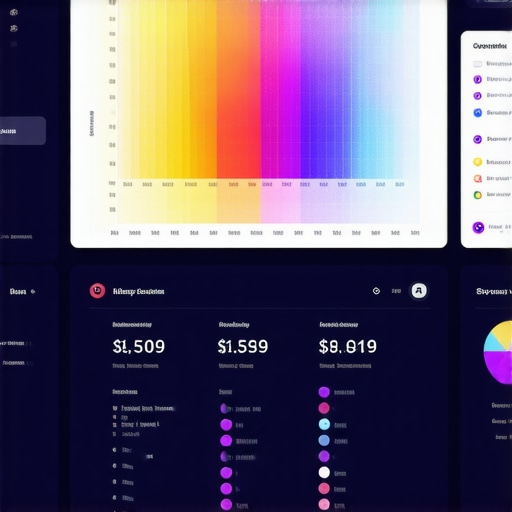
Image prompt: A futuristic data dashboard showcasing geospatial analytics, heatmaps, and behavioral insights tailored for local SEO campaigns in service industries.
Implementation of Voice Search Optimization for Local Maps Ranking
With the proliferation of voice-activated devices, optimizing for conversational queries becomes imperative. Incorporating long-tail, natural language keywords reflecting typical voice search patterns—such as “Find a reliable plumber near me for emergency repairs”—can dramatically enhance local map visibility. Structuring content with FAQ sections targeting these queries, and optimizing Google My Business descriptions for voice compatibility, ensures your business remains prominent in the evolving voice search landscape.
This strategic shift demands that service providers also focus on local intent signals, such as proximity and service urgency, embedded within their content and profile optimizations, to capture voice-driven local traffic effectively.
Future-Proof Your Local SEO Strategies Through Implementation of AI and Machine Learning
Next-generation SEO harnesses artificial intelligence to adapt to search engine algorithm evolutions in real time. Implementing machine learning algorithms for review sentiment analysis, predictive demand forecasting, and content relevance scoring enables continuous optimization without manual intervention. Moreover, integrating AI-powered chatbots for customer engagement feeds into review generation and reputation management, creating a self-sustaining cycle of authority building and visibility enhancement.
Elevate your local strategy by partnering with SEO platforms that embed AI technologies, ensuring your practices stay ahead of the curve amidst rapid algorithmic changes and market shifts. To stay informed about emerging trends and technological advances, subscribe to industry-leading SEO analytics newsletters and participate in specialized forums focused on AI-driven local marketing innovations.
Expert Insights Elevate Your Local Strategy
Prioritize Niche Community Engagement
Targeted involvement in local neighborhoods through sponsoring events, creating community-driven content, and participating in local forums demonstrates authenticity and builds trust, which search engines recognize as signals of relevance and authority.
Leverage Structured Data for Competitive Edge
Implementing schema markup tailored to specific services and local events enhances search engine understanding of your offerings, leading to richer search result snippets and improved click-through rates, ultimately boosting map rankings.
Utilize Predictive Analytics to Anticipate Market Trends
Analyzing geospatial and customer behavior data enables proactive SEO adjustments, such as targeting underserved areas or optimizing for emerging keywords, ensuring your visibility grows ahead of competitors.
Invest in Reputation Depth Analysis
Moving beyond star ratings, employing sentiment analysis on reviews helps identify trust signals and areas for service improvement, reinforcing your reputation management as a core SEO pillar.
Integrate Voice Search Optimization Strategies
Adapting content for conversational queries and local intent captures the rising volume of voice searches, positioning your business prominently in voice-driven local discovery.
Industry-Leading Resources for Deepening Your Expertise
- Moz Local Ranking Factors: Offers comprehensive insights into algorithm influences and ranking signals tailored to local search.
- BrightLocal’s Review Management Tools: Enable sentiment analysis and reputation scope assessments, informing targeted reputation strategies.
- Google’s Structured Data Markup Guidelines: Serve as essential reference for schema implementation that enhances visibility.
- SEMrush Geospatial Data Analysis: Facilitates identification of market gaps and trend forecasting for precise targeting.
- Local SEO Forum and Industry Conferences: Platforms for real-world insights, networking, and staying ahead with emerging techniques.
Refining Dominance in a Saturated Market
Synthesizing technical mastery with community-centric initiatives, data-driven insights, and innovative content positioning forms the bedrock of a resilient local SEO approach. Distilling these advanced techniques into your strategy accelerates your ascent to local prominence, ensuring sustained visibility amid fierce competition. As you implement these tactics, remember that continuous learning and adaptation are key — remain engaged with authoritative sources and forums, and personalize your approach based on evolving market signals. Your journey towards local search excellence is ongoing; embrace these insights, refine relentlessly, and consider sharing your experience to contribute to the collective growth of our professional community.