Why Your Service Area Settings Could Be Invisible Barriers for Your Trade Business
In the competitive landscape of local marketing for trades, precision in setting your service area is critical. Many contractors inadvertently restrict their visibility by configuring outdated or overly narrow service zones, which hampers their local SEO efforts, especially in maps ranking for plumbers and home services SEO. Understanding the intricacies of Google Maps and localized SEO signals is essential to elevate your online presence and attract both nearby and distant clients seeking specialized services.
Decoding the Semantic SEO Structure for Service Area Optimization
Integrating a semantic SEO strategy involves more than keyword stuffing; it requires an understanding of user intent, related LSI keywords, and the contextual placement of content. For instance, employing terms like local marketing for trades or maps ranking for plumbers within comprehensive, structured content enhances relevance and boosts your chances of appearing in the coveted map pack. Professional referencing, such as Google’s official Google Maps API developer resources, offers insights into ranking factors and the importance of accurate location data.
How Service Areas Shape Your Local Visibility and Google Ranking Signals
The configuration of your service area directly influences Google’s algorithm signals, affecting local pack prominence. Too narrow a zone risks excluding potential clients in nearby neighborhoods, while overly broad settings may diminish your business’s relevance. Advanced strategies suggest leveraging hyper-local content, such as real-world proof signals like recent job photos and verified business details, to establish trustworthiness and improve your maps ranking.
How Can Identifying Hidden Signals Unlock Higher Rankings?
Beyond basic citation consistency, ranking signals such as review quality, consistency, and engagement metrics—like response time to negative reviews—are powerful. Analyzing these signals with tools like 7 real proof signals can help your business understand gaps in local SEO performance and develop targeted improvements to outrank competitors.
What Are the Complex Interplay Effects Between Service Area Limits and Google’s Local Search Algorithms?
Emerging debate in SEO circles suggests that dynamic shifts, such as proximity-based ranking updates in 2026, make static service area settings insufficient. Instead, continuous monitoring and adjustment aligned with real-time signals like job photo verification, check-ins, and review engagement are essential for maintaining a competitive edge. This insight underscores the necessity of adopting a comprehensive, data-driven local SEO approach that evolves with algorithmic changes.
For a deeper understanding, experts are encouraged to explore advanced strategies outlined in mastering SEO for contractors. Engaging with community forums and sharing insights can further accelerate adaptation to ongoing algorithm shifts and help solidify your authority in local search domains.
In this context, documenting your service area nuances and field-specific proof signals becomes the backbone of sustainable local SEO success. As you optimize these signals, consider the potential of rich content and verified profiles to enhance trust and visibility—cornerstones advocated by industry leaders and eminent sources like Moz (Moz’s Beginner’s Guide to SEO).
Mastering Map Visibility with Strategic Service Area Expansion
Often, contractors believe setting a precise, small service zone guarantees top rankings. However, progressive SEO experts understand that intentionally broadening your service area intelligently can diversify Google’s signals, increasing your chances of appearing in nearby regions where potential clients are actively searching. This proactive expansion—combined with hyper-local content tailored to different neighborhoods—serves as a crucial tactic to dominate local maps rankings in 2025 and beyond.
Leveraging Advanced Proof Signals for Discerning Search Algorithms
Beyond conventional citations and reviews, the future of local SEO hinges on nuanced proof signals. Incorporating real-time job photos, verified check-ins, and detailed project descriptions demonstrates active presence and builds trustworthiness. These signals act as a digital footprint, signaling to Google that your business is both active and relevant in specific localities. For detailed strategies, businesses should explore how real-time job photos rank contractors higher in maps. Such proof elements not only improve rankings but also enhance user engagement, translating to higher click-through rates and conversions.
Proactively Managing Google’s Proximity and Behavior Shifts
In 2026, Google’s local search algorithms increasingly emphasize user behavior and proximity signals. Static service areas risk becoming obsolete as the platform favors businesses that demonstrate adaptability and responsiveness through dynamic signals like updated service zones, recent content modifications, and active review engagement. Regularly reviewing your map profile details, including service radius adjustments and recent photo uploads, keeps your visibility aligned with algorithmic expectations. For further insights, reading how to approach proximity shifts and maintain rankings is highly recommended.
How Can Regularly Updating Your Local SEO Tactics Protect Against Algorithmic Volatility?
Because Google’s local search landscape evolves rapidly, employing a systematic review process ensures your strategies stay effective. Monitoring key metrics such as impression drops or fluctuation in calls—using tools like Google Business Profile insights or third-party analytics—and aligning your effort with recent local SEO developments helps safeguard your rankings. Integrating this with external authoritative resources like Moz’s definitive Beginner’s Guide to SEO provides a comprehensive framework to adapt effectively. With a robust, proactive approach, your business not only sustains visibility but also gains an edge over competitors slower to evolve.
To implement these refined tactics, consider reaching out through our dedicated contact page. Staying informed and agile is the key to mastering local SEO in the next wave of digital marketing innovation.
Harnessing User Engagement Metrics to Accelerate Map Rankings
While citations and reviews hold undeniable weight in local SEO, emerging data indicates that user engagement metrics—such as click-through rates, time spent on your profile, and interaction frequency—serve as potent signals influencing your business’s visibility. Advanced tactics involve leveraging dynamic content updates and personalized call-to-actions to encourage user interaction. For example, embedding interactive project galleries or video testimonials can significantly boost engagement metrics, signaling to Google that your listing is both relevant and active. These factors, in combination with traditional signals, create a more holistic and convincing profile that outperforms competitors relying solely on static data.
Optimizing Service Zone Settings for Algorithmic Resilience and Reach Expansion
Proper configuration of your service area isn’t merely a local visibility concern; it’s a strategic buffer against algorithmic fluctuations. Smart expansion—deliberately extending coverage into neighboring locales—can diversify your signal set. To truly capitalize on this, consider utilizing geo-targeted content variations that reflect the unique needs and search intents of each target neighborhood. Moreover, integrating structured data markup with localized keywords can reinforce your relevance in multiple regions, ensuring that your service zone adapts dynamically to evolving search patterns and maintains resilience during algorithm updates.
Can Strategic Content Localization Outperform Generic SEO Approaches?
Absolutely. Localized content tailored to specific neighborhoods or demographics demonstrates Google’s understanding of contextual relevance far more effectively than generic service pages. For instance, crafting blog posts or FAQs centered around local regulations, community events, or area-specific challenges positions your business as an authoritative local resource. This depth of relevance positively influences local ranking signals, including proximity and relevance scores, and enhances user trust and retention. As evidenced by case studies in Search Engine Land, businesses investing in hyper-localized content experience measurable improvements in Google Maps rankings and lead conversions.
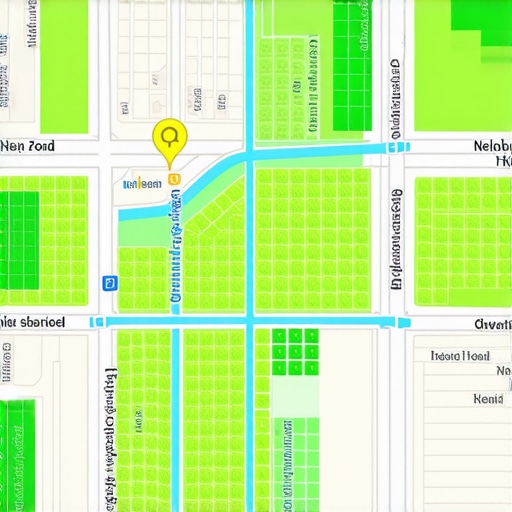
Visualize your service area with a map emphasizing neighborhood-specific content zones and coverage expansion strategies to maximize local signal diversification.
Decoding Google’s Proximity Shifts and Behavioral SEO signals
In recent algorithm updates, particularly those in 2026 anticipated to emphasize user proximity behaviors, instantaneous data points—such as recent check-ins, location-based reviews, and real-time job postings—have gained increased influence. To stay ahead, trade businesses must implement automated systems that regularly update their Google Business Profiles, including service area-radius adjustments, as well as actively monitor and respond to reviews and user interactions. These efforts create a digital footprint that aligns with Google’s evolving heuristic models, ensuring your business remains highly relevant in proximity-based searches and new local contexts that emerge unexpectedly.
Integrating Advanced Proof Signals for Robust Local Authority
The future of local SEO hinges on layered proof signals—complex but potent indicators of activity, trustworthiness, and community engagement. For example, verified project updates, client testimonials linked to specific locations, and documented site visits serve as tangible proof. Advanced tools now enable tracking of these signals in real time, allowing you to continually refine your strategy. Incorporate rich media, such as drone footage of project sites and interactive project maps, to enhance your digital footprint’s depth and breadth. These elements not only improve rankings but also foster stronger community trust and client conversion rates, ultimately edging out competitors who lack such sophisticated signal integration.
Preparing for Google’s Behavioral Adaptations in Local Search
Anticipating behavioral shifts in Google’s algorithms requires a proactive, data-driven approach. This involves leveraging analytics to identify patterns—like changes in search volume for specific services or neighborhoods—and adjusting your SEO tactics accordingly. One promising avenue is employing AI-powered tools that predict emerging local search trends based on user behavior datasets. Such tools can inform content creation, service updates, and promotional campaigns. Furthermore, integrating your local SEO efforts with broader community engagement initiatives enhances your business’s reputation and relevance, creating a resilient ecosystem that can withstand unforeseen algorithmic oscillations. Dive deeper into adaptive strategies by consulting industry-leading resources like Moz’s advanced SEO guides or specialized local SEO workshops, which offer actionable insights for staying agile amidst rapid platform changes.
Uncover Hidden Algorithmic Influences in Your Service Area Configurations
Recent developments indicate that Google’s local search algorithms increasingly interpret your service zone settings as dynamic signals rather than static parameters. Experts analyzing industry-specific data suggest that improperly calibrated zones can inadvertently trigger proximity biases or exclude potential clients, especially during niche market fluctuations. Implementing granular area segmentation with tailored content for each zone can leverage geographic relevance, enhancing the likelihood of appearing in diverse local pack results. For comprehensive insights, consider consulting authoritative studies like Moz’s detailed analysis on geo-modulated ranking factors.
How Hyper-Localization Can Drive Superior Map Visibility
Advanced local SEO incorporates hyper-local content strategies that go beyond surface-level keywords. By embedding neighborhood-specific language, testimonials, and case studies, your business establishes contextual authority that resonates with both users and Google’s local ranking signals. For example, creating dedicated landing pages for distinct neighborhoods, each with unique schema markup, can improve relevance scores and help your listings ascend the map pack hierarchy. This targeted approach demonstrates an understanding of hyper-regional user intent—an edge available to adept SEO strategists in 2024.
What Metrics Indicate Your Local SEO Is Resilient to Algorithm Shifts?
Beyond traditional rankings, monitoring engagement metrics like click-through rate, bounce rate, and conversion rate at granular geographic levels provides a clearer picture of local authority stability. Real-time analytics from tools such as Google Data Studio or BrightLocal enable proactive adjustments. Consistent increases in localized interactions suggest your optimization efforts align well with existing algorithmic patterns, preparing your business to adapt swiftly amidst the ever-evolving landscape. For further sophistication, explore case studies illustrating these metrics’ predictive power from sources like Search Engine Journal.
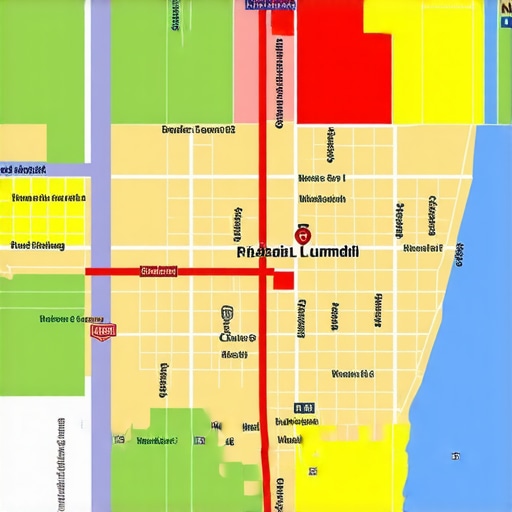
Visualize a heat map illustrating hyper-local content zones tailored for diverse neighborhoods within a city, emphasizing targeted content deployment strategies.
Leveraging User Engagement and Community Signals for Enduring Rankings
Engagement metrics now play a prominent role in signal stacking, reinforcing your local presence. Facilitating community involvement through local events, sponsorships, or user-generated content fosters genuine interactions that promote positive reviews and backlinks—both critical factors in complex ranking algorithms. Implementing features like Q&A sections or local event calendars on your website can intensify user interaction, creating an ecosystem of signals that bolster your map rankings in competitive markets. High-quality community engagement acts as social proof, elevating your credibility and relevance in the eyes of search engines.
Optimize Service Areas to Foster Algorithmic Adaptability
Strategically expanding or refining your service zones isn’t merely about coverage—it’s about cultivating algorithmic resilience. By deploying structured data markup for each expanded area and customizing content, your business signals versatility to search engines. This proactive diversification safeguards rankings against localized algorithm experiments and regional search intent shifts, ensuring consistent visibility. Integrate advanced geo-targeted schema and local event data to reinforce relevance, thus transforming your service area into a multi-faceted digital footprint that withstands algorithmic volatility.
How Can Continuous Service Area Refinement Sustain Top Local Rankings?
Regularly analyzing geographic search trends, competition density, and consumer behavior enables strategic adjustments to service zones, content, and engagement efforts. Employing AI-driven tools that detect regional search pattern shifts can inform real-time modifications—such as updating service descriptions, adding neighborhood-specific keywords, or optimizing for emergent needs. This iterative process ensures your SEO remains aligned with search engine expectations, preventing rankings from stagnating amidst frequent algorithm updates. Undertake periodic audits with expert-grade tools, and stay connected with authoritative resources like Moz’s advanced SEO whitepapers to refine your approach consistently.
Harness Local Proof Signals with Rich Media for Competitive Edge
Rich media—video testimonials, drone footage of projects, interactive maps—serve as potent proof signals that communicate active engagement and trustworthiness. As these elements become more integrated into Google’s ranking heuristics, creating a visually compelling portfolio of local proof enhances your authority. Not only do such signals attract user attention, but they also increase dwell time and shareability, indirectly influencing rankings. Maximize these benefits by integrating structured data for videos and images, ensuring Google recognizes and values these rich proof elements within your local SEO ecosystem.
Stay Ahead by Anticipating Behavioral Pattern Changes
Proactively tracking shifts in user behaviors—such as increased local searches during peak seasons or community events—facilitates timely content and service adjustments. Utilizing predictive analytics and AI-powered insights enables your business to adapt before competitors notice the change. Consistent performance monitoring, combined with community engagement and content flexibility, constructs a resilient local SEO strategy resilient to algorithmic oscillations. Leveraging authoritative insights from platforms like Search Engine Land can sharpen your tactics for mastering emergent behavioral signals, ensuring sustained prominence in local maps ranking.
Expert Insights & Advanced Considerations
Harness Hyper-Local Content to Outrank Competitors
Leveraging neighborhood-specific keywords, testimonials, and community-focused stories can dramatically increase relevance signals, making your business the go-to choice in local searches. Tailoring content for each area builds trust and signals strong proximity relevance to Google’s algorithm.
Prioritize Visual Proof Signals to Elevate Trustworthiness
Integrating high-quality project photos, video testimonials, and interactive maps not only enriches user experience but also provides rich proof signals that Google increasingly relies on for rankings, especially in niche and competitive markets.
Optimize for Dynamic Algorithm Shifts with Real-Time Updates
Implementing automated monitoring and timely profile adjustments—such as service area modifications, recent reviews responses, and fresh content uploads—ensures your listings remain aligned with search engine expectations amid rapid algorithm evolution.
Engage Community Through Localized Features
Hosting local events, sponsoring neighborhood initiatives, or participating in community forums can generate user engagement signals and unique backlinks. These social proofs contribute positively to your local authority, boosting map visibility amidst algorithm updates.
Streamline Service Area Expansion Thoughtfully
Broadening your coverage intelligently—using geo-targeted schema markup and localized content—diversifies your signals and prepares your business to adapt seamlessly to proximity-based ranking shifts anticipated in 2026 and beyond.
Curated Expert Resources
- Google Maps API Developer Resources: Essential for understanding technical ranking factors and optimizing your Google profile with accurate location data.
- Moz’s Beginner’s Guide to SEO: A comprehensive resource that covers foundational and advanced SEO strategies tailored for local businesses.
- BrightLocal’s Local Search Resource Center: Offers actionable insights on reputation management, review signals, and local ranking factors.
- Search Engine Land: Industry-leading articles on evolving local SEO trends, algorithm updates, and best practices for service-based businesses.
- Google’s My Business Help Center: Official guidance on profile verification, service zone settings, and performance monitoring.
The Final Word: Elevate Beyond Fundamentals for Lasting Success
In the evolving landscape of local SEO, especially for trades and service providers, mastery lies in a strategic mix of hyper-local content, authentic proof signals, and agile profile management. The key is to think like Google—anticipating behavioral shifts and algorithm nuances—while authentically engaging your community. Achieving top maps rankings requires continuous refinement and a commitment to real-world proof points that set your business apart. For tailored advice or to explore further advanced tactics, don’t hesitate to reach out. Your next leap in local visibility awaits.