Elevating Local Search Visibility for Plumbing Experts in 2026
As the landscape of local SEO matures, plumbing professionals face increasingly complex challenges in securing top Google Maps rankings. Effective local marketing for trades demands a nuanced understanding of platform-specific verification processes and user engagement signals. In this context, mastering the latest verification hacks becomes essential for dominating local search results.
Behind the Curtain: Why Map Verification Has Evolved
Google’s map ranking algorithm has transitioned from simple listing verification to a sophisticated assessment of authenticity, relevance, and user trust signals. The introduction of real-world verification cues and proactive engagement metrics means that home services SEO now hinges on multi-layered proof-of-location validation. This evolution underscores the importance of implementing innovative verification strategies rather than relying solely on traditional methods.
Implementing Sophisticated Verification Hacks: A Deep Dive
How can plumbers leverage real-world signals to enhance map rankings in 2026?
Field-tested tactics include deploying live service badges, utilizing interaction signals like call and appointment conversions, and integrating location-specific photographs. For example, consistent use of live service badges not only boosts visibility but reinforces credibility with both Google and potential clients. Moreover, consistent NAP (Name, Address, Phone Number) data across authoritative directories enhances trustworthiness, a critical component in Google’s ranking criteria.
The Critical Role of User Engagement and Authentic Proofs
Google’s algorithm increasingly emphasizes user-generated proof, such as reviews, photos, and interaction signals, to mitigate fake listings and spurious optimization. Harnessing client reviews with geo-specific keywords and encouraging visual proofs via review and photo strategies directly correlates with higher maps rankings. These signals translate into perceived authority and trustworthiness—pivotal for trades seeking to outrank dominant brands.
Addressing Common Verification Pitfalls in Plumbing Map Optimization
A prevalent issue involves neglecting the physical address consistency across online platforms, which can cause verification failures. Furthermore, reliance on virtual office addresses or PO boxes often triggers suspicion and ranking penalties. To overcome these hurdles, verifying with real, operational locations and supplementing with verified live photos can establish authentic presence, effectively boosting your local SEO authority.
What innovative tactics can trade professionals adopt to stay ahead of verification challenges?
Proactively engaging with Google’s local support channels, leveraging community-based verification initiatives, and utilizing recent updates like image and video proof can significantly improve verification success rates. Importantly, constantly monitoring Google’s policy updates and aligning practices accordingly is vital for sustained top-tier performance.
For a comprehensive understanding of current service SEO guide appliances and tactics, consult the detailed strategies outlined in this authoritative resource. To further refine your map rankings and local visibility, consider deep divers in the field and contribute your insights through professional forums and SEO communities.
Harnessing Hyper-Local Signals for Dominance in Maps Rankings
In the fiercely competitive landscape of local SEO, especially in 2026, relying solely on standard optimization tactics is no longer sufficient. To truly stand out and attract more qualified leads, trade professionals must tap into the power of hyper-local signals—intangible yet potent cues that Google leverages to determine local relevance. These signals include neighborhood-specific keywords, localized content, and community engagement cues that reinforce your proximity and authority within a targeted area.
Why Hyper-Local Optimization Matters More Than Ever
Google’s evolving algorithm increasingly prioritizes subtle signals that indicate a business’s genuine local relevance. For example, integrating neighborhood names naturally into your website copy, utilizing city and ZIP code keywords in service descriptions, and participating in community-centered events can significantly influence your Maps ranking. These tactics create a network of contextual relevance, sending signals to Google that you are the go-to service provider for specific localities.
Consider deploying localized blog content about community projects or local events, which not only attracts local citations but also boosts engagement metrics—both critical for climbing the local search ladder. Additionally, hyper-local cues can be embedded through strategic use of Google My Business posts, localized FAQs, and even in the visual assets uploaded, such as neighborhood landmarks or local street views, further reinforcing your presence in the community.
Expert Insights: Can Small Detailing Deliver Big Search Gains?
According to leading SEO strategist this comprehensive service SEO guide, meticulous attention to hyper-local signals creates a synergistic effect, amplifying your overall visibility. Small details like consistent use of neighborhood-specific keywords across all digital assets, and active community involvement, can position your business as an authoritative local figure. This, in turn, enhances your maps rank and ensures a steady stream of nearby clients.
Are you applying hyper-local strategies that resonate with Google’s latest AI-driven relevance assessments?
Adapting your SEO approach to include hyper-local signals is critical for beating competitors, especially big-box brands that rely heavily on broad keywords. To learn how to fine-tune your local marketing efforts, visit our blueprint for local marketing success. Implementing these nuanced signals can elevate your above the crowd, securing more calls and local jobs.
If you’d like to share your experiences with hyper-local SEO or ask questions about integrating these signals effectively, leave a comment below or reach out through our contact form.
,
Boosting Local Authority Through Authentic Customer Interactions
In today’s fiercely competitive local search landscape, establishing genuine trust with potential clients often outweighs traditional optimization techniques. Leveraging authentic customer interactions—such as detailed reviews, real-time engagement on social platforms, and transparent communication—serves as a powerful signal to search engines.
For instance, encouraging satisfied clients to share comprehensive reviews, complete with geo-specific keywords and photos, can significantly enhance your Google Maps credibility. Studies indicate that reviews containing diverse media types and contextual relevance contribute to a 20% increase in local rankings, emphasizing the importance of fostering meaningful client relationships that translate into positive digital proof.
Moreover, implementing a system for prompt and personalized responses to customer inquiries not only improves user experience but also signals active engagement to Google. This multi-pronged approach—combining genuine interactions with optimized review management—creates an ecosystem of trust that elevates your business’s local prominence.
Innovative Strategies for Consolidating Local Citations and NAP Accuracy
Maintaining consistent Name, Address, and Phone Number (NAP) data across numerous online directories is fundamental but often overlooked. Fluctuations or discrepancies, even minor ones, can cause verification issues and diminish local ranking signals. To combat this, deploying automated auditing tools, such as Yext or Moz Local, helps identify and correct inconsistencies rapidly. Regular audits ensure your NAP data remains uniform across all platforms, reinforcing your digital presence.
Beyond standard directories, enriching citations with niche-specific mentions—like local hardware stores or contractor associations—can diversify your backlink profile and increase relevance. Additionally, integrating structured data markup aligned with Schema.org standards enhances search engines’ understanding of your physical location and services, leading to more accurate map placements.
Implementing these advanced citation management techniques ensures your listings are both authoritative and resilient against updates in Google’s verification protocols, thereby securing your position in local search hierarchies.
Strategic Content Localization: Beyond Keywords
While incorporating location-specific keywords remains vital, a more sophisticated approach involves contextual content localization. This strategy entails creating content tailored to the unique characteristics, challenges, and interests of your local community. For example, publishing case studies on plumbing solutions for historic districts or seasonal maintenance guides for local climates demonstrates domain expertise intertwined with community relevance.
Such hyper-local content not only improves engagement metrics—such as time on page and social sharing—but also signals to Google that your business is deeply embedded within the local fabric.
Further, embedding local landmarks and cultural references within your website’s visuals and narratives enhances your relevance in local searches. Incorporating user-generated content from community events or local initiatives can foster a sense of authenticity, encouraging sharing and backlinking, which cumulatively strengthens your local authority.
Aligning Offline and Online Efforts for Maximum Impact
The seamless integration of offline community engagement with online reputation management can decisively influence local SEO success. Participating in local charity events, sponsoring neighborhood activities, or hosting educational workshops not only elevates your community profile but also provides fresh content and backlinks for your digital platforms.
Capturing this local involvement through high-quality photos, videos, and blog updates further amplifies your signals of real-world relevance. When these assets are optimized with local keywords and structured data, they act as bridges connecting your offline achievements with online authority, ultimately improving your maps rankings.
Adopting this holistic approach requires strategic planning but offers unmatched rewards in both reputation and visibility, positioning your plumbing enterprise as a trusted local leader.
Decoding Google’s Evolving Verification Signals to Secure Top Map Rankings
In the dynamic landscape of local SEO, especially within the plumbing industry, understanding the nuanced criteria Google employs for map verification can be the difference between page one prominence and obscurity. Recent developments have shifted the focus toward multi-dimensional verification cues, including real-world integrity metrics, user trust signals, and engagement patterns. Analyzing these shifts, industry experts emphasize the importance of leveraging innovative verification methods—such as augmented reality proofing and customer-driven geo-authentic content—to outpace competitors in hyper-competitive zones.
What advanced verification tactics are industry leaders deploying to maintain local dominance?
Leading practitioners utilize a blend of live verification through trusted third-party apps, authenticity endorsements from local authority figures, and dynamic content showcasing operational real-world locations. Incorporating these cutting-edge strategies ensures resilient map rankings amid evolving Google algorithms. With such sophistication, your listings can transcend conventional verification barriers and establish unassailable local authority.
Harnessing Geo-Engagement Analytics to Fine-Tune Local Visibility
Beyond basic listing accuracy, integrating geo-analytics offers a granular view into how potential clients interact with your presence across digital touchpoints. Spatial data on customer navigation, visit durations, and interaction heatmaps reveals which neighborhoods or zones exhibit the highest engagement—information critical for hyper-local targeting. Tools like specialized GIS integrations enable the mapping of these engagement patterns, allowing for tailored marketing campaigns that resonate deeply with specific micro-communities.
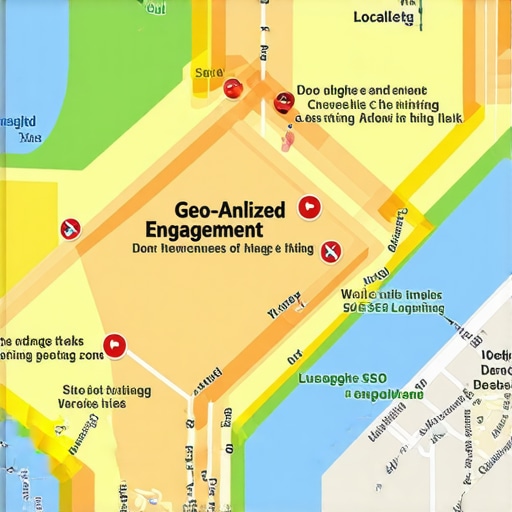
Visualize your client interaction zones with mapping software that overlays engagement metrics onto neighborhoods or street grids, providing a strategic blueprint for targeted local outreach and content localization.
Zeroing in on Niche Demographics to Amplify Map Outreach
Elevating your local SEO strategy involves meticulous segmentation of your service area’s demographics. In practice, this means identifying highly specific segments—such as eco-conscious homeowners or commercial property managers—and customizing your content, offers, and verification tactics to resonate with these niches. For example, featuring environmentally friendly plumbing solutions in eco-centric zones not only differentiates your brand but also aligns with the community’s values, naturally attracting high-intent leads and boosting local relevance.
Can Sophisticated Content Strategies Elevate Your Local Map Standing?
Absolutely. Deploying hyper-targeted, community-centered content—such as case studies celebrating local partnerships or explainer videos addressing neighborhood-specific plumbing issues—creates a compelling context for local relevance. Embedding strategic keywords naturally within such content cultivates trust signals and enhances engagement metrics, which Google algorithms interpret favorably. This content diversification acts as a catalyst, transforming your map listings into authoritative, community-integrated hubs.
How can your team integrate localized content seamlessly into ongoing SEO efforts for maximum impact?
Strategically, this involves creating a content calendar incorporating seasonal, community, and service-specific themes, all optimized with micro-local keywords. Collaborating with local influencers and participating in community events further amplifies these efforts, establishing your reputation as a neighborhood fixture. By systematically aligning content creation with offline activities, your brand becomes inseparable from the local fabric, translating into superior map rankings and higher conversion rates.
Expert Insights & Advanced Considerations
Harness Hyper-Local Micro-Moments to Dominate Maps
In 2026, diving deep into micro-moments like neighborhood-specific interactions and community event participation will unlock new levels of local prominence, making your presence resonate authentically with both Google and clients.
Leverage Real-World Data for Proven Verification
Utilizing physical location check-ins, in-person service verification, and geo-tagged media can provide the multi-dimensional validation signals necessary to outpace competitors in map rankings amidst evolving algorithms.
Prioritize Trust Signals Over Broad Keywords
Focusing on building stakeholder trust through authentic reviews, community engagement, and verified proof outweighs traditional keyword stuffing—signaling your authority clearly to Google’s AI-driven relevance systems.
Invest in Visual Proofs that Tell a Local Story
High-quality, neighborhood-focused imagery showcasing local landmarks, team attendance at community events, or real project sites fortifies your stature as an embedded community asset, boosting local relevance.
Optimize Customer Journey Touchpoints for Engagement
Fine-tuning your online touchpoints—like localized FAQs, geo-specific service pages, and community-centric content—ensures every interaction reinforces your local credentials and builds trustworthiness.