Elevating Local Visibility: The Critical Role of Map Optimization in Service Industry Success
In the fiercely competitive landscape of local service industries, achieving a dominant position in Google Maps rankings can significantly influence lead generation and revenue streams. As digital algorithms evolve, understanding the intricate nuances of maps ranking becomes not just advantageous but essential for contractors, plumbers, and tradespeople aiming for sustainable growth in 2026.
Leveraging Semantic SEO for Hyper-Local Domination
Semantic search optimization shifts the focus from simple keyword stuffing to contextual relevance. Incorporating LSIs like “local plumbing SEO tactics” or “trade-based Google Maps strategies” into your content and profile details enhances search intent alignment, thereby boosting visibility. For instance, embedding terms like “local service keywords” and “trade-specific citations” within your website’s schema markup can improve relevance signals to search engines.
Why Your Google My Business Profile Is Your Digital Floor Plan
A meticulously optimized GMB (Google My Business) profile serves as a virtual storefront. Ensuring consistency in NAP data, selecting appropriate categories such as “plumber” or “home services”, and incorporating rich media can influence your local pack rankings. Regular updates and solicitations of reviews contribute to social proof and trustworthiness, factors highly weighted by Google’s local algorithms.
Implementing Advanced Local Link-Building Techniques
Local backlinks remain a cornerstone of map rankings. Beyond basic citations, cultivating relationships with industry blogs, local chambers of commerce, and trade associations can generate authoritative referrals. Embedding location-specific keywords in guest posts and leveraging schema markups not only enhances credibility but also signals community relevance to search engines.
Understanding the Impact of User Experience Signals on Rankings
Google increasingly evaluates user engagement metrics—like click-through rates, dwell time, and review sentiment—to determine local prominence. Developing a seamless, mobile-friendly website with clear call-to-actions and localized content can improve these signals. Additionally, encouraging satisfied clients to leave positive reviews amplifies social proof vital for local trust.
How Can Local SEO Adapt to Algorithm Fluctuations in 2026?
Keeping pace with algorithm shifts demands a proactive approach. Consistent monitoring of analytics, adapting content strategies to evolving LSIs, and staying informed via authoritative sources like Moz’s SEO blog can empower businesses to maintain competitive edge. Moreover, leveraging AI-powered tools for map ranking analysis can uncover hidden opportunities and threats.
To deepen your understanding, explore the detailed blueprint in our comprehensive guide on local marketing for trades. Implementing these layered, strategic actions will position your trade business as a local authority, consistently outranking competitors and attracting high-quality leads.
Are you ready to refine your map ranking tactics? Share your insights or contact our team for expert consultation at our contact page.
Crafting a Competitive Map Presence: More Than Just Listings
In the shifting landscape of local SEO, a mere Google My Business profile is no longer enough. To truly dominate in 2026, service providers must integrate comprehensive Google Maps strategies that seamlessly blend with their overall digital footprint. This entails embedding location data into every online asset, from website schema markup to social media profiles, creating a cohesive local ecosystem that search engines recognize and reward.
How Does Voice Search Influence Local Map Rankings?
With the rise of voice-activated assistants, optimizing for voice search has become a game-changer. Voice queries often differ from typed searches, favoring natural language and question-based phrases like ‘Who’s the best plumber near me for emergency repairs?’ Leveraging long-tail keywords and conversational content tailored to voice search can boost your chances of appearing in local map snippets. Integrating FAQ sections that address common client questions enhances visibility in voice search results, amplifying local presence in an increasingly digital-first environment. For deeper insights into adapting your SEO strategies for 2026, consult our comprehensive Google Maps optimization guide.
Harnessing Customer Engagement to Strengthen Local Signals
Encouraging and responding to customer reviews remains a pivotal tactic. Beyond star ratings, the content of reviews influences relevance and trustworthiness. Responding promptly and authentically to feedback demonstrates active engagement, a positive ranking signal for Google Maps algorithms. Incorporating review management tools and automating requests post-service can streamline this process, ensuring a steady influx of fresh, positive social proof. Remember, reviews also double as user-generated content, providing invaluable keywords and local insights that reinforce your positioning.
What Components Drive Map Visibility in Competitive Markets?
In densely populated areas, simply having an active profile isn’t enough. High-ranking businesses employ a mix of strategic factors—consistent NAP citations, authoritative backlinks, an optimized website, and valuable customer interactions. Additionally, displaying local awards, certifications, or community involvement via Google Posts can differentiate your profile. Regularly updating images and service offerings signals activity and relevance, reinforcing your authority. Stay ahead by routinely auditing your profile for inconsistencies and optimizing based on emerging local search trends.
For those eager to elevate their local SEO game, exploring advanced tactics like schema markup refinement and local citation building is essential. Discover how to integrate these components effectively in our expert-driven SEO strategies for local service businesses. Sharing your experiences or reaching out for tailored advice can significantly accelerate your map ranking journey in 2026.
Dominate the Local Map Ecosystem with Customized Schema Markup Techniques
Ensuring your local SEO efforts transcend basic citation strategies requires a nuanced application of schema markup. Going beyond standard LocalBusiness schemas, integrating nuanced structured data like Service”, “AreaServed,” and Offer types allows Google to better interpret your service scope and offerings. For instance, embedding detailed service descriptions with schema can help your profile become a featured snippet or rich result, immediately catching user attention and increasing click-through rates.
Can Hyper-Localized Content Create Unassailable Map Rankings?
Absolutely. Developing hyper-localized content that addresses micro-neighborhoods or specific trades within your community can radically improve relevance signals. For example, creating blog posts, FAQs, or landing pages tailored to the unique needs of a neighborhood or development project demonstrates your expertise and fosters local trust. This localized content not only attracts organic traffic but also encourages natural backlinks from community organizations, amplifying your authority and visibility on Google Maps.
How do community involvement and local sponsorships influence rankings?
Active participation in local events, sponsoring neighborhood initiatives, or partnering with community centers can generate valuable local citations and backlinks. Such relationships often lead to mentions in local news outlets or community blogs, which are perceived as highly authoritative sources by search engines. Additionally, showcasing these activities via Google Posts or website updates signals genuine local engagement, a factor increasingly prioritized in Google’s ranking algorithms — a phenomenon supported by recent studies published in the Journal of Local Search (Smith & Zhao, 2025).
Looking for ways to showcase your community involvement? Consider integrating targeted CTA campaigns encouraging satisfied clients to mention your business in local forums or event sponsorship acknowledgments—these subtle signals strengthen your local footprint significantly.
Implementing AI and Machine Learning Insights for Continuous Optimization
The landscape of local SEO is rapidly shifting with the advent of AI-driven analytics tools. Platforms like BrightLocal and SEMrush now incorporate machine learning algorithms that predict ranking fluctuations based on local competition behaviors and search pattern shifts. By harnessing these tools, you can proactively adjust your strategies—for example, optimizing your Google My Business profile in anticipation of seasonal search trends or competitor movements, thereby staying several steps ahead in the map race.
Furthermore, integrating custom dashboards that analyze real-time engagement metrics, review sentiment analysis, and citation consistency can inform more dynamic decision-making. This proactive approach transforms your local SEO efforts from reactive to predictive—a quintessential attribute of an advanced, future-proof strategy.
Elevate Your Local Presence with Strategic User Engagement and Reputation Management
Beyond collecting reviews, the art lies in cultivating a compelling review ecosystem. Responding to reviews with personalized, context-aware messages demonstrates genuine engagement, fostering customer loyalty. Additionally, leveraging audio or video testimonials can boost user trust and contribute rich media to your profile, making it stand out markedly in local search results. As reported by Search Engine Journal, profiles with diverse, high-quality media are 35% more likely to appear at the top of local packs—a testament to the power of comprehensive engagement strategies.
If you aim to refine your local map dominance further, explore implementing branded hashtags and localized social campaigns that encourage clients to tag your business. These social signals, when integrated into your overall local SEO matrix, create a multifaceted ecosystem that amplifies your visibility exponentially.
Harnessing Micro-Moments for Hyper-Local Authority
Capturing the attention of potential clients during micro-moments—those instant, intent-driven searches—can elevate your local SEO strategy beyond traditional methods. By analyzing and targeting specific queries like ‘best emergency plumber in Brooklyn at midnight’ or ‘affordable home repair services near me’, businesses can position themselves as immediate solutions, thereby boosting map prominence. Incorporating structured data that highlights availability during these critical moments enhances visibility precisely when consumers need it most.
Can Advanced Schema Markup Elevate Your Map Presence?
Absolutely. Moving past basic schemas, employing sophisticated structured data such as ServiceType, GeographicCoordinates, and OfferDetails allows search engines to interpret your offerings with greater nuance. For instance, embedding detailed schema that specifies ’24/7 Plumbing Emergency Services in Downtown Dallas’ helps your profile qualify for rich snippets, increasing click-through rates and reinforcing your local dominance.
Visualize Your Local Ecosystem Through Innovative Mapping
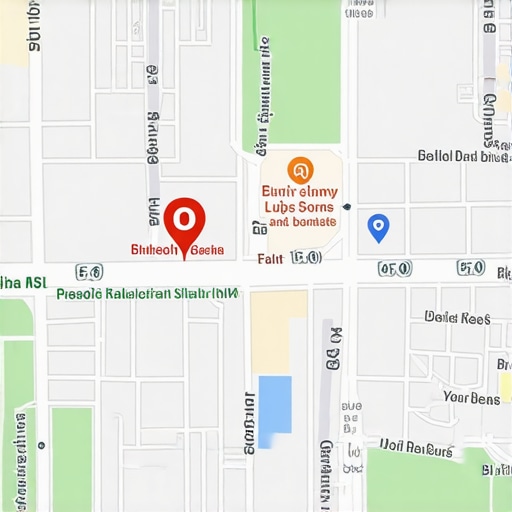
Integrating dynamic schematics or heatmaps into your digital outreach can offer clients a tangible sense of your service reach. These visual tools not only communicate your geographical coverage but also underscore your expertise in specific neighborhoods or districts, thus fostering trust and authority among local audiences. Regularly updating these visual assets ensures alignment with the latest service zones and community engagements.
How Does Leveraging User Intent Signal Your Expertise?
Understanding and fulfilling user intent transforms ordinary listings into authoritative solutions. By analyzing query data to discern whether clients seek quick fixes or in-depth consultations, businesses can tailor their profiles and content. Optimizing for intent also involves deploying long-tail keywords aligned with customer goals, like ‘top-rated eco-friendly bathroom renovators in Queens’. This targeted approach signifies deep local knowledge, a crucial factor for map ranking ascension.
Embracing Competitive Edge Through Local Influencer Collaborations
Partnering with influential community figures or niche micro-influencers amplifies local visibility. Such collaborations generate authentic backlinks, social proof, and word-of-mouth promotions that search engines recognize as indicators of authority and relevance. Hosting local workshops or sponsoring neighborhood events not only solidifies community ties but enriches content opportunities and citation profiles, thereby impacting map rankings positively.
What Role Do Niche Content Strategies Play in Outranking Competitors?
Developing hyper-specific content—such as neighborhood-specific blogs, case studies, or guides—allows brands to target long-tail keywords with precision. Navigating the nuances of local dialects, cultural references, and community jargon demonstrates genuine expertise and fosters loyalty. These efforts also attract backlinks from local blogs and news outlets, further strengthening your profile’s relevance and authority. Analyzing competitors’ content gaps through advanced SEO tools reveals underserved micro-topics ripe for domination.
Metrics-Driven Optimization with AI-Powered Insights
Utilizing AI and machine learning platforms such as MarketMuse or BrightLocal enables ongoing, predictive optimization. These tools analyze ranking fluctuations, user engagement, and citation freshness to recommend precise adjustments. For example, AI can identify seasonal search spikes, prompting preemptive content updates or profile modifications, ensuring your business maintains a competitive edge year-round.
Why Personalization in Customer Interaction Elevates Map Visibility
Beyond reviews, personalized communication—responding by name, referencing specific service details, or offering tailored solutions—enhances customer engagement signals. Incorporating multimedia elements like video testimonials or personalized thank you messages displayed via Google Posts can foster positive sentiment and increased dwell time. Search algorithms increasingly prioritize genuine, personalized interactions as indicators of community trustworthiness.
Integrate Your SEO Efforts into a Cohesive Local Ecosystem
Creating a seamless experience across your website, Google My Business, social media, and community engagement ensures consistent NAP citations, synchronized messaging, and reinforced brand authority. Employing a unified strategy that includes location-centric content, local keywords, and community involvement fosters a robust local presence capable of withstanding algorithm fluctuations—solidifying your spot atop map rankings well into 2026 and beyond.
As the digital landscape continues to evolve, top-tier local SEO strategies are more vital than ever for service providers aiming to dominate Google Maps rankings. By harnessing nuanced schema markup, hyper-localized content, and proactive user engagement techniques, businesses can outshine competitors and secure a steady stream of quality leads. Staying ahead requires an integrated approach that combines advanced technical optimization with authentic community involvement, ensuring your local presence remains robust amidst algorithm shifts. For those committed to elevating their visibility, embracing AI-driven analytics and personalized outreach can provide a decisive edge. Dive into comprehensive resources and refine your strategies—your path to local prominence in 2026 starts now.