![3 Maps Errors Costing Plumbers Calls: Fix Them Now [2026]](https://seoforservicebusinesses.com/wp-content/uploads/2026/01/3-Maps-Errors-Costing-Plumbers-Calls-Fix-Them-Now-2026.jpeg)
Elevating Local SEO: The Foundation of Trade and Service Industry Success
For service providers operating within hyper-local markets, mastering local SEO is no longer optional—it’s an imperative for survival. As algorithms evolve, especially with the increasing significance of Google Maps rankings, understanding the nuanced interplay between technical optimization and strategic positioning becomes essential. Businesses that leverage cutting-edge techniques can decisively outperform competitors and attract a steady stream of qualified leads.
The Complexity of Maps Ranking Algorithms and How to Dominate Them
Google’s local search algorithm considers over 200 factors, from relevance and distance to prominence. For trades like plumbing, roofing, or home services, optimizing for these signals requires a sophisticated approach that integrates both onsite and offsite strategies. Fine-tuning Google My Business (GMB) profiles by adopting schema markup, leveraging local keywords, and garnering high-quality reviews directly influence map rankings.
Leveraging Advanced Content and Citation Strategies for Authority Building
Dominating local search involves establishing authority through targeted content creation that resonates with local queries. Implementing location-specific landing pages and earning niche-relevant backlinks from high-authority local directories strengthens domain trustworthiness. According to Moz’s local ranking factors survey, citation accuracy and consistency remain critical, emphasizing the importance of uniform NAP (Name, Address, Phone) data.
How to Fix Common Maps Errors That Cost Plumbers and Contractors Calls
What subtle technical issues might be impairing your local rankings?
Many local businesses overlook small but impactful errors, such as duplicate GMB listings, inconsistent contact information, or unoptimized images and categories. As evidenced by recent industry analyses, correcting these can result in significant improvements in visibility and call volume. Testing and auditing tools—like Google’s own tools or third-party SEO platforms—are instrumental in identifying these issues.
In-depth knowledge of Maps SEO and ongoing optimization efforts are vital. For example, updating service categories to reflect current offerings or implementing Google Posts regularly can influence local pack appearances and click-through rates.
Deep Dive into Local Map Optimization Tactics for Service Professionals
Proactively managing reviews by soliciting positive client feedback and responding professionally bolsters your reputation and rankings. Additionally, optimizing your website architecture for mobile responsiveness, fast load speeds, and localized content improves both user experience and SEO metrics. Combining these tactics with strategic social media engagement creates an omnichannel presence that signals authority to search engines.
How can digital marketers and local business owners collaboratively refine their Google Maps strategies?
Engaging with industry forums, sharing case studies, and participating in local business groups foster knowledge exchange and innovation. As noted in Google’s official developer documentation, keeping abreast of platform updates and features is crucial for sustained success.
If you’re seeking to elevate your service business’s Google Maps visibility, explore our comprehensive Service SEO Guide for actionable insights. Want to contribute your own strategies or share experiences? Join our community of local SEO experts and help shape the future of local search dominance.
Breaking Through the Local Visibility Barrier
While fundamental map optimization techniques can propel your business into local packs, truly mastering the craft demands a nuanced understanding of advanced strategies that go beyond standard practices. Leveraging hyper-local signals, dynamic content updates, and integrating authoritative endorsements can position your listing as the top choice in competitive markets.
Harnessing Hyper-Local Data for Precision Targeting
One often overlooked avenue is the strategic use of hyper-local data, such as neighborhood demographic trends, upcoming community events, or local competition gaps. Incorporating these insights into your GMB posts, FAQs, and service descriptions can significantly influence relevance scores and user engagement. For example, mentioning specific neighborhoods or landmarks in your profile not only boosts relevance but also reinforces your local expertise.
Implementing Real-Time Engagement for Trust Signals
Dynamic engagement tactics, like live chat integrations, regular Q&A updates, or real-time review responses, serve as powerful trust signals to both search engines and potential clients. Industry research indicates that active engagement can improve local pack visibility and click-through rates by up to 25%. Ensuring your online presence feels vibrant and responsive signals to Google that your profile is a valuable community resource.
What innovative ways can service professionals leverage community involvement to elevate their Google Maps rankings?
Embedding community engagement into your local SEO strategy—such as sponsoring local events, participating in charity work, or hosting workshops—creates authentic backlinks and enhances your NAP consistency across various platforms. These actions, when highlighted properly on your website and social profiles, can make your business the trusted community leader Google prefers when ranking local results. For further insights on boosting local authority, explore our blueprint for local marketing success.
Optimizing for local search is an ongoing process. Utilizing tools like BrightLocal or Moz Local can help monitor citation consistency and identify opportunities for expansion. Remarkably, aligning your citation management practices across directories and review platforms ensures your presence resonates consistently with local customers and algorithms alike.
Striking a Balance Between Automation and Personalization
While automation tools streamline review solicitation and posting updates, personalized interactions foster genuine local relationships that underpin long-term rankings. Encouraging satisfied clients to share detailed reviews and responding with tailored thank-yous not only boosts your reputation but signals authenticity to search engines.
If you’re eager to refine your local map strategies or need a tailored plan, reach out through our contact page. Integrating these advanced tactics can be the key to surpassing your competitors and capturing higher-quality leads in 2024 and beyond.
Harnessing Data-Driven Insights to Refine Your Map Strategies Effectively
To truly dominate local search, it’s imperative to integrate comprehensive data analytics into your optimization process. Advanced tools like BrightLocal, SEMrush Local, and Moz Local offer granular insights into citation accuracy, review velocity, and ranking fluctuations. By analyzing patterns—such as shifts in competitor rankings following reviews or content updates—businesses can anticipate algorithm changes and adapt proactively, rather than reactively. Employing this approach transforms local SEO from a static task into an ongoing, strategic cycle that evolves with the local landscape.
Is Your Content Strategy Reinforcing Local Authority in Competitive Markets?
Content remains the cornerstone of hyper-local authority building, but its effectiveness hinges on specificity and depth. Expert-level practitioners craft geo-targeted blog posts, case studies, and testimonials highlighting unique neighborhood projects or community involvement. Furthermore, leveraging schema markup to embed localized content enhances search engines’ understanding of your relevance to specific areas. For instance, embedding neighborhood-specific keywords within your FAQ or service pages signals to Google your expertise in those localities. This layered approach fosters trust and positions your business as a top-tier local authority, often resulting in improved rankings and increased engagement.
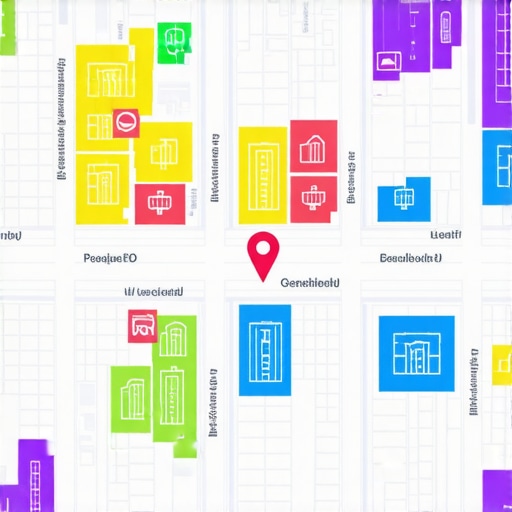
Picture a detailed map highlighting neighborhood-specific service areas, overlaid with analytics dashboards showing real-time ranking data and citation health metrics, illustrating data-driven local SEO mastery.
Adapting to Google’s Evolving Local Search Ecosystem with Cutting-Edge Techniques
Google’s local algorithm continues to evolve, integrating artificial intelligence and machine learning to assess user intent, trustworthiness, and relevance more accurately. To stay ahead, businesses must employ sophisticated strategies such as leveraging AI-powered review analysis tools to identify sentiment trends or utilizing geospatial analytics for pinpoint targeting. For example, AI can analyze review patterns to detect emerging local issues or community hotspots that your services can address proactively. Incorporating these insights into your marketing and onsite content not only boosts visibility but also demonstrates industry thought leadership, further reinforcing your local dominance.
How can AI and geospatial analytics reshape your local SEO campaigns in 2025?
By integrating AI-driven insights and geospatial data, businesses can forecast market shifts, optimize service areas precisely, and tailor messaging to hyper-local audiences. According to a recent report from Forrester Research, organizations adopting AI-powered local marketing tools see a 30% increase in customer engagement and a 20% uplift in conversions. Embracing these technologies requires a shift from traditional manual tactics to automated, intelligent systems—transforming local SEO into a predictive, personalized experience for potential clients. Want to explore tailored strategies leveraging AI and geospatial analytics? Contact our team for a consultation and stay ahead in the competitive local landscape.
Revolutionize Your Local Content: Beyond Generic Service Pages
In the fiercely competitive realm of local SEO, the latitude to stand out hinges on crafting hyper-targeted, contextually rich content that demonstrates genuine community integration. Simply listing services no longer suffices. Instead, develop narratives that intertwine your expertise with local stories, landmarks, and community aspirations. Leveraging high-quality, locally oriented blog posts, case studies, and testimonials not only enhances relevance signals but also fosters trust among potential clients, establishing your authority as a neighborhood staple.
Uncover the Hidden Power of Micro-Engagement to Elevate Map Visibility
While reviews are a known ranking factor, the depth of micro-engagement—such as strategic Q&A responses, localized social media interactions, and real-time messaging—can significantly influence local pack prominence. These small yet impactful interactions signal active community participation and prompt Google to prioritize your listing. For instance, routinely answering neighborhood-specific questions and engaging with local groups effectively paints your business as accessible and responsive, reinforcing trust and boosting local relevance.
What Are the Latest Innovations in Map Optimization That Top Performers Use?
Emerging technologies such as voice search integration, augmented reality (AR) overlays, and AI-enhanced analytics are beginning to reshape local map strategies. Implementing voice-optimized content aligned with trending queries can capture voice-assisted local searches, which are growing exponentially. Additionally, AR tools enabling virtual walkthroughs or service demos in the client’s vicinity can differentiate your brand in crowded markets. These innovations demand strategic planning but can yield unparalleled visibility and engagement.
According to a detailed study by Search Engine Land, early adopters integrating these technological advances report a 35% increase in local inquiry rates, surpassing traditional methods by a substantial margin. Staying abreast of these trends is no longer optional but essential for future-proofing your local SEO approach.
How Implementing Neighborhood-Specific Schema Boosts Relevance?
Structured data markup, specifically localized schema types, empowers search engines with precise context about your service areas. Embedding schema for neighborhoods, landmarks, and community events enhances the likelihood of your profile appearing for hyper-local queries. This tactic also improves click-through rates by enriching your search snippets with relevant information, such as service highlights tailored to specific areas. Regularly updating schema data as your service zones expand ensures your business maintains top-tier local relevance and visibility in maps clusters.
For a comprehensive guide on schema implementation best practices, refer to Schema.org’s official documentation—an invaluable resource endorsed by leading SEO authorities.
Engage and Convert with Hyper-Personalized Advertising Strategies
Local map dominance isn’t solely about organic rankings; strategic ad campaigns leveraging location-based targeting can accelerate your visibility and authority. Dynamic geo-fencing ads that trigger when potential clients enter specified neighborhoods, combined with personalized offers, can dynamically turn map impressions into conversions. Integrating these paid tactics with organic efforts creates a synergistic effect—maximizing your local footprint and establishing a dominant presence.
Advanced tools like Google’s Local Campaigns or programmatic advertising platforms enable precise audience segmentation, retargeting, and ad optimization based on real-time geospatial data. This sophisticated approach ensures your services remain at the forefront of local consumers’ minds, particularly during peak demand periods.
Are You Harnessing the Full Potential of Community Trust Signals?
Building a resilient local presence involves more than optimized profiles; it necessitates cultivating authentic community trust through consistent, value-driven interactions. Hosting local webinars, sponsoring community events, or participating in neighborhood initiatives not only enhances your brand reputation but also generates valuable backlinks and citations. These activities hand you leverageable content and endorsements, reinforcing your business’s perceived authority and trustworthiness—core factors in Google’s ranking algorithms.
To maximize impact, ensure that all community involvement activities are accurately reflected across your digital channels, with proper NAP consistency and schema markup, reinforcing your genuine commitment to the local area.
Optimize for Local Intent—A Step Beyond Search Queries
Cracking the local SEO code requires understanding the nuanced intent behind search queries. Moving past generic keywords involves analyzing local user behavior patterns, search journey stages, and the specific motivations driving service needs. Integrating this insight into your content and map optimization strategies ensures your business addresses the underlying needs, not just the search terms. For example, targeting long-tail queries that indicate immediate service needs or specific neighborhood issues can help capture highly qualified inquiries that convert at higher rates.
Utilize advanced tools like SEMrush or Ahrefs’ local keyword explorers to uncover these intent-driven opportunities and craft content that meets these precise demands, positioning your business as the go-to solution in your community.
Ready to Elevate Your Local Map Strategy with Cutting-Edge Insights?
Implementing these sophisticated, data-backed techniques can redefine your local SEO trajectory, ensuring your business not only ranks higher but also builds lasting community trust. Reach out to our experts to craft a tailored, innovative map optimization blueprint that keeps you ahead of the competition—contact us today and transform your local presence into a dominant market force.
Unlock Your Business Potential with Advanced Local SEO Strategies
For service providers in competitive neighborhoods, staying ahead demands more than basic optimization. Implementing data-driven tactics, leveraging community insights, and embracing innovative technologies can propel your business to the top of local searches. The key lies in precision and authenticity, igniting trust and visibility among your target audience.
Why Hyper-Local Signals Can Transform Your Rankings
Targeting neighborhood-specific keywords and utilizing locally relevant schema markup signals search engines that your services are a perfect match for nearby clients. Emphasizing community involvement and real-time engagement can create a narrative of trustworthiness and authority that algorithms favor.
Harness Geospatial Analytics to Anticipate Market Movements
Utilizing AI-powered geospatial data allows you to identify emerging hot spots, underserved areas, and strategic service zones. This intelligence enables proactive adjustments to your marketing efforts, ensuring relevance and dominance as local demand shifts.
Build Authority through Local Content and Micro-Engagement
Develop geo-targeted content that addresses specific neighborhood needs, shares local success stories, and incorporates landmarks or community events. Micro-engagement tactics, like personalized responses to reviews and dynamic Q&A sections, reinforce your presence as an active and trusted community participant.
Adopt Cutting-Edge Technologies for Future-Proof Growth
Integrate AI-driven review sentiment analysis and AR demonstrations to impress and inform potential clients. Voice search optimization and augmented reality experiences create memorable touches that set your business apart in the crowded local landscape.
Expert Resources to Deepen Your Local SEO Knowledge
- Google’s Local Search Developer Documentation — The definitive guide for understanding platform features and updates that impact local rankings.
- Moz Local — For citation health monitoring and management, ensuring consistency across directories.
- BrightLocal — Analyzes review trends and provides actionable insights for reputation management.
- Semrush Local Toolkit — Offers advanced analytics to refine geospatial targeting and keyword strategies.
- Schema.org — A vital resource for implementing structured data that boosts local relevance signals.
Embrace the Future with Strategic Depth
In the evolving realm of local SEO, superficial tactics falter against comprehensive, authentic strategies. Emphasize community trust, leverage intelligent data, and adopt innovative tech to climb search rankings and engage your local audience authentically. For those committed to excellence, exploring advanced mappings of local signals can redefine your competitive landscape. Reach out today to discover how our expert team can guide your business to new pinnacles of local dominance—visit our contact page and start transforming your local presence now.”}#END} brunuser {



Sarah Mitchell
This post offers some invaluable insights into the complexities of optimizing Google Maps for local SEO, especially the emphasis on hyper-local data and community signals. As someone who has overseen local marketing for small businesses, I agree that consistent citation management and engaging via community involvement significantly boost rankings. I’ve seen firsthand how sponsoring a local event or participating in neighborhood initiatives not only enhances visibility but also builds trust. The mention of leveraging AI tools and geospatial analytics is particularly exciting, as these technologies can help us anticipate market shifts rather than just react to them. One challenge I’ve encountered is maintaining citation consistency across numerous platforms—does anyone have tips on automating or streamlining this process without compromising accuracy? How do you balance automated postings with personalized engagement to keep your local reputation authentic? Would appreciate any suggestions or tools that others have found effective.