
Mastering Local Google Maps Rankings: A Strategic Imperative for Contractors
In the fiercely competitive landscape of local service provision, particularly for contractors, leveraging sophisticated Google Maps optimization techniques is no longer optional—it’s essential. As digital visibility directly correlates with client acquisition, understanding the nuanced layers of local SEO, map ranking algorithms, and client targeting strategies can transform a local business into a dominant market presence.
Deciphering the Core Mechanics of Maps Algorithm for Local Dominance
The Google Maps ranking system is a complex interplay of relevance, proximity, and prominence. Advanced contractors invest in comprehensive local SEO audits, ensuring their citations, NAP consistency, and Google My Business (GMB) profiles are meticulously optimized. Moreover, integrating schema markup specifically tailored for local services enhances search engine understanding, boosting visibility in map packs.
Implementing Data-Driven Reputation Management for Lasting Visibility
Experience shows that online reputation management, including strategic review acquisition and response, significantly impacts local rankings. Contractors should deploy automated review solicitation systems, emphasizing quality over quantity, and actively engage with customer feedback through meaningful responses. This approach not only elevates trust but also signals authority to Google’s ranking systems, as outlined in recent white papers by Moz on local SEO influence.
Harnessing Niche-Specific Content and User Engagement to Outrank Competitors
Content remains king, even within local map rankings. Creating authoritative, niche-targeted content—such as case studies, service FAQs, and local project highlights—can increase relevance signals. Coupled with local community engagement and participation in local forums, these actions generate organic backlinks and user interactions that further boost prominence in map results.
What are the most effective ways to leverage Google My Business features for maximum visibility?
Optimizing GMB features involves regular updates, comprehensive service listings, and high-quality multimedia content. Utilizing Google Posts to showcase projects, leveraging booking integrations, and maintaining accurate business categories are critical for enhanced visibility. For a deeper dive into this approach, review our guide at Home Services SEO Secrets.
Contractors seeking an edge should also consider local link building, strategic partnerships, and participation in local business directories, solidifying their presence across multiple digital touchpoints. The combined effect of these advanced tactics creates a formidable online presence that Google recognizes and rewards.
For a comprehensive understanding of how to dominate local search in 2025, explore our detailed guide at Maps Ranking for Contractors.
Engage with fellow professionals or contribute your insights on emerging local SEO trends by visiting our contact page at Contact Us.
Maximize Your Map Rankings with Strategic Optimization Techniques
Beyond basic GMB optimization, savvy contractors are focusing on integrating advanced schema markup, such as LocalBusiness schema, to improve search engine comprehension. Incorporating structured data not only clarifies your services but also enhances your chances of appearing in rich snippets, which can significantly boost click-through rates. For instance, adding specific service categories and operational hours directly within schema markup helps Google present your business more prominently in local searches.
Prioritizing Customer Engagement to Boost Local Authority
Active engagement with clients through Google Posts, Q&A sections, and review responses solidifies your local presence. Regularly updating your Google My Business profile with fresh content keeps your listing relevant and signals to Google that your business is active. Moreover, leveraging user-generated content, such as customer photos and reviews, can amplify your local authority, making your business more trustworthy in Google’s eyes. Explore our Service SEO Guide for practical tips on leveraging local engagement.
How can local businesses harness emerging AI tools to refine their map optimization efforts?
Emerging AI-driven tools can analyze local search trends, competitor strategies, and customer review patterns to inform your SEO tactics. For example, AI-powered sentiment analysis can identify the most impactful keywords and review responses that resonate with your community. Additionally, tools like local SEO audit platforms can automatically detect citation inconsistencies and schema errors, saving time and reducing manual oversight. Incorporating these technologies into your strategy ensures you’re not just reacting to algorithm changes but proactively shaping your local visibility. According to Moz’s recent research, integrating AI insights into local SEO workflows enhances overall effectiveness and competitiveness in crowded markets (Moz on Local SEO Trends).
For more advanced tactics, consider exploring local backlink-building strategies through community sponsorships or industry partnerships, which can further elevate your prominence. These efforts, combined with comprehensive local SEO audits, create a resilient foundation for long-term dominance.
If you want to share your experiences or ask questions about refining your local map rankings, we encourage you to comment below or connect with us through our Contact Page. For a detailed roadmap tailored to your specific service area, visit Maps Ranking for Contractors.
Harnessing the Power of Local Search Trends for Competitive Advantage
Staying ahead in local search requires more than just optimizing existing listings; it demands proactive adaptation to emerging trends. Recent studies by BrightLocal reveal that 78% of local mobile searches result in an offline purchase within 24 hours, emphasizing the critical importance of real-time relevance and trend responsiveness. Contractors must leverage tools that analyze local search fluctuations, seasonal demand shifts, and competitor keyword strategies to refine their SEO approach dynamically.
What are the most effective ways to analyze local search trend data for strategic decision-making?
Advanced analytics platforms like SEMrush and Ahrefs now offer localized trend reports, enabling businesses to identify high-opportunity keywords, seasonal fluctuations, and emerging service areas. Integrating these insights with your existing Google My Business profile ensures your service offerings align precisely with current market demand, drastically improving your map pack visibility. According to Moz’s recent report, utilizing trend-based keywords significantly boosts local ranking potential when combined with consistent review management and schema optimization (Moz on Local Search Trends).
Implementing Hyper-Targeted Schema Markup for Nuanced Search Intent
While standard schema markup covers basic business information, advanced contractors are now deploying hyper-targeted schemas that address specific service nuances, operational details, and customer engagement points. For instance, incorporating Service Schema tailored for each offering, along with Location Schema that includes neighborhood-level granularity, enhances Google’s understanding of your expertise and service coverage area.
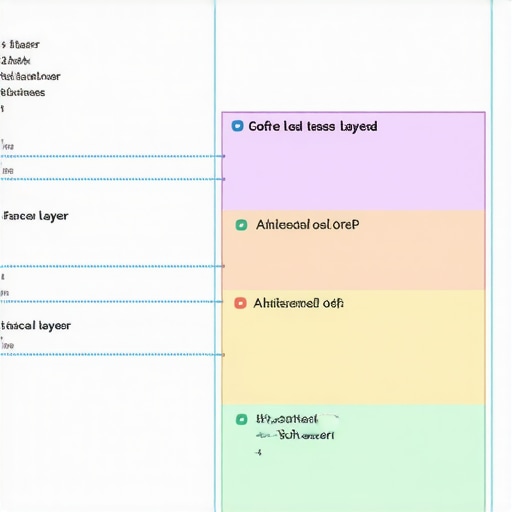
Image prompt: a detailed diagram of schema markup layers for local business SEO, highlighting service and location schemas with annotations.
How can granular schema markup contribute to capturing long-tail local search queries effectively?
Granular schema markup enables Google to match highly specific long-tail queries, such as “emergency roof repair in downtown Chicago,” with your business profile. This precise matching increases the chances of appearing in rich snippets and local packs, especially when combined with localized content and reviews. Schema also improves voice search relevance—a growing channel for local service inquiries—making it indispensable for future-proofing your SEO strategy.
Leveraging Automated Reputation Monitoring and Sentiment Analysis
Beyond manual review responses, integrating AI-powered reputation management tools like ReviewTrackers or BirdEye automates review solicitation, sentiment analysis, and response coordination. These systems analyze review sentiment to identify potential issues proactively, allowing contractors to address concerns before they impact rankings.
Recent research by BrightLocal demonstrates a direct correlation between positive review sentiment and higher local search rankings. Additionally, sentiment analysis helps craft personalized, empathetic responses that foster community trust and loyalty, further reinforcing local authority.
How do sentiment analysis tools influence review strategy and overall local SEO success?
Sentiment analysis tools identify patterns in customer feedback, revealing pain points and strengths. Addressing negative sentiments swiftly and publicly can turn dissatisfied customers into brand advocates, boosting your reputation score. This, in turn, signals to Google that your business maintains high customer satisfaction levels, favorably influencing local rankings. As noted by Moz, the combination of automated review management and sentiment insights results in measurable improvements in map pack visibility and lead generation (Moz on Reputation Management).
To deepen your mastery of local SEO, consider exploring AI-driven tools that adapt in real-time and provide competitive insight. Integrating these advanced techniques transforms your Google Maps presence from a static listing into a dynamic, authoritative local hub.
Elevating Your Local Presence with Hyper-Targeted Schema Implementation
While basic schema markup enhances your business listing, deploying hyper-specific schemas tailored to your niche can substantially increase your visibility in local search results. For example, integrating Service Schema with detailed descriptions and operational nuances allows Google to better understand your unique offerings, thereby capturing more long-tail queries such as “eco-friendly roofing services in Brooklyn.”
This approach not only improves your chances of appearing in rich snippets but also aligns with the increasing importance of semantic search, particularly as voice search continues to grow. According to Search Engine Journal, schema markup can boost click-through rates by up to 30%, making it an indispensable tool for aggressive local SEO campaigns.

Image prompt: a detailed diagram illustrating layered schema markup structures for local business SEO, emphasizing service-specific and neighborhood-level schemas with annotations.
How can hyper-specific schema markup unlock new opportunities for capturing niche local searches?
By addressing highly specific search intents through detailed schema, contractors can appear prominently in voice searches, map packs, and featured snippets. This targeted approach effectively narrows the competition, allowing your business to dominate localized long-tail keywords that larger competitors might overlook. Embracing this strategy is essential for future-proofing your local SEO efforts.
Harnessing AI and Machine Learning to Drive Continuous Optimization
Emerging AI technologies are transforming local SEO management from reactive to proactive. Platforms like BrightLocal and SEMrush now incorporate machine learning algorithms that analyze review sentiment, competitor activity, and local search trends in real time. These insights enable contractors to refine their content, review strategies, and schema markup dynamically, ensuring sustained visibility.
For instance, sentiment analysis tools can identify emerging customer pain points, allowing businesses to address negative feedback publicly before it impacts their rankings. Additionally, AI-driven citation audits help maintain NAP consistency across directories, reducing manual oversight and minimizing ranking fluctuations.
Image prompt: a dashboard interface displaying AI-powered local SEO analytics, highlighting review sentiment analysis, citation consistency, and trend insights.
How can integrating AI tools streamline your local SEO workflow and ensure competitive edge?
Automating review management, citation correction, and trend analysis with AI not only saves time but also provides actionable insights that keep your business ahead of market shifts. This integration fosters a resilient local SEO strategy capable of adapting swiftly to algorithm updates and changing consumer behaviors.
Leveraging Community Engagement to Strengthen Local Authority
Active participation in local forums, sponsorships, and community events enhances your business’s local authority, signaling to Google your prominence within the community. Incorporating user-generated content, such as photos and reviews, reinforces your relevance and trustworthiness.
Advanced contractors often leverage localized social proof by showcasing community projects and participating in neighborhood initiatives online. These efforts generate organic backlinks and increase engagement metrics that Google interprets as signals of authority and relevance.
What innovative community engagement tactics can give your local SEO a competitive boost?
Strategies such as hosting local webinars, sponsoring community events, and collaborating with neighborhood influencers can amplify your reach and foster genuine trust. Additionally, creating interactive content like local success stories or Q&A sessions on social media can enhance your visibility and authority in your service area.
Strategic Mastery as a Contractor in Local SEO
In the competitive realm of local service marketing, only those who leverage cutting-edge strategies and expert insights will truly stand out. By focusing on sophisticated map optimization techniques, contractors can unlock new levels of visibility, client engagement, and market dominance. This approach is not just about ranking higher but about establishing an unassailable local authority that resonates with both Google and your community.
Top Expert Insights for Advanced Local SEO Success
Prioritize Hyper-Local Schema Integration
Implement detailed schema markup that captures neighborhood-level nuances and specific service offerings. This precision allows Google to match your business with highly targeted, long-tail local search queries, significantly increasing your chances of appearing in rich snippets and map packs.
Harness AI for Real-Time Reputation and Trend Analysis
Utilize AI-driven tools to monitor review sentiment, detect emerging local search trends, and automate review solicitation. These technologies empower you to react swiftly to customer feedback, optimize your content dynamically, and stay ahead of algorithm updates, ensuring sustained visibility and relevance.
Engage Deeply with Community and Content
Participate actively in local forums, sponsor neighborhood events, and showcase community projects online. Coupled with creating niche-specific content like case studies and localized FAQs, this builds organic backlinks and enhances your perceived authority, which Google heavily favors in local rankings.
Leverage Advanced Google My Business Features
Regularly update your GMB profile with high-quality multimedia and utilize Google Posts to highlight recent projects and offers. Strategic use of booking integrations, service categories, and high-quality images reinforces your local presence and attracts more engagement.
Integrate Continuous Data-Driven Optimization
Use analytics platforms such as SEMrush or Ahrefs to analyze local search patterns, seasonal fluctuations, and competitor strategies. Incorporate these insights into your SEO tactics to refine keywords, optimize content, and adjust your local outreach efforts effectively.
Curated Expert Resources for Deepening Your Knowledge
- Moz Local SEO Guides: Offers comprehensive white papers on optimizing local search and reputation management, essential for advanced practitioners.
- BrightLocal Blog: Provides up-to-date research, case studies, and insights on reputation management and local ranking factors.
- Search Engine Journal: Features opinion pieces and technical guides on schema markup, AI integration, and algorithm updates relevant to local SEO.
- Google’s Official Business Blog: The primary source for updates on GMB features, policies, and best practices directly from Google.
Reflections and Next Steps for the Expert Practitioner
Mastering local Google Maps rankings demands a blend of technical mastery, strategic foresight, and community engagement. Embracing expert insights and leveraging authoritative resources positions your business to not only rank higher but to build a resilient local presence that endures market shifts and algorithm changes. For those committed to excellence, continuous learning and adaptation are the keys to sustained success. We invite you to share your experiences, insights, or questions on advanced local SEO strategies—your expertise enriches the collective knowledge and drives industry standards forward. Visit our Contact Page to connect and collaborate, or explore our detailed guides to keep your local SEO efforts at the forefront of innovation.



Daniel Foster
This post really highlights the importance of integrating hyper-local schema markup to effectively capture niche search intents. From my experience managing local SEO for a contractor business in Nashville, we’ve seen tangible improvements in rankings after implementing detailed schema for specific service areas and operational details. I especially agree with the emphasis on ongoing data-driven optimization—using tools like SEMrush to analyze seasonal trends and competitor movements helps us stay agile and responsive. The challenge I often encounter is maintaining citation consistency across multiple directories, which is crucial for ensuring local prominence. Have others found particular tools or methods that streamline citation management without becoming overly time-consuming? It seems that AI-aided citation audits or automated tools could be a game-changer for keeping all elements aligned and boosting visibility consistently.
Liam Johnson
This post offers fantastic insights into the multifaceted approach needed for mastering Google Maps rankings, particularly for contractors aiming to dominate their local markets. I’ve personally seen how the integration of hyper-local schema markup and real-time review sentiment analysis can substantially elevate a business’s presence in map packs. One aspect I’ve found especially effective is the use of AI tools to proactively monitor and refine local SEO efforts. For example, leveraging automated citation audits and sentiment analysis helps maintain consistency and promotes positive engagement. However, given how dynamic local search algorithms are, I wonder how many contractors are effectively balancing ongoing schema implementation with community engagement activities. Have you found strategies or tools that facilitate seamless integration of these efforts without overwhelming your team? Overall, it’s exciting to see such comprehensive strategies outlined, and I believe combining technical SEO with community involvement really holds the key to long-term success.
Evelyn Carter
This post resonates strongly with my recent efforts to optimize a local contractor’s Google Maps presence. I’ve found that regularly updating GMB with fresh content and high-quality multimedia significantly boosts visibility, especially when combined with hyper-local schema that pinpoints neighborhood-level details. One thing I’ve noticed is that platform-specific strategies, like leveraging Google Posts and Q&A sections effectively, can really differentiate a listing in competitive markets. I’ve also started experimenting with AI-powered review sentiment analysis tools to quickly identify trends and respond proactively—this has helped maintain a positive online reputation and, by extension, better rankings. The challenge I face is balancing ongoing schema updates with community engagement activities, like sponsorships or local events, which aren’t always as immediately measurable but are vital for long-term authority. How are others integrating community efforts into their SEO workflows without overwhelming their teams? I believe combining on-page schema with off-page community signals creates a robust, lasting local SEO strategy.