
Strategic Foundations for Local Dominance in Google Maps
In the fiercely competitive landscape of local search, service providers must leverage advanced SEO tactics to secure top positions on Google Maps. This involves a meticulous blend of on-page optimization, authoritative citation building, and strategic review management, all rooted in a deep understanding of local search algorithms. As industry experts emphasize, a comprehensive approach that integrates local intent signals with technical SEO nuances can significantly elevate a business’s visibility, thereby attracting high-conversion local clients.
Harnessing the Power of Local Keyword Optimization and Schema Markup
Effective local marketing strategies begin with precise keyword research tailored to the service area. Incorporating LSI keywords such as “local plumbing services” or “emergency HVAC repair near me” ensures relevance and enhances semantic richness. Moreover, implementing local business schema markup can dramatically improve Google’s understanding of your location and services, leading to improved map rankings. According to Moz’s Local Search Ranking Factors, schema markup accounts for a notable portion of local ranking signals, underscoring its importance in a comprehensive SEO strategy.
Optimizing Google My Business with a Data-Driven Approach
Google My Business (GMB) remains the cornerstone of local SEO. To outperform competitors, professionals should focus on meticulous profile optimization—regularly updating NAP (Name, Address, Phone Number) consistency, selecting relevant categories, and utilizing high-quality images. Furthermore, leveraging insights from tools like BrightLocal can identify gaps in GMB profiles and inform targeted improvement efforts. The goal is not only to rank but to convert profile views into tangible leads through strategic call-to-actions and localized content.
How Can Advanced Review Strategies Elevate Your Google Maps Ranking?
Reviews serve as social proof and significantly influence local rankings. A sophisticated review management system that encourages authentic customer feedback and promptly addresses negative reviews can foster trust and enhance visibility. Recent studies suggest that review volume, frequency, and sentiment are among the most influential factors in local search algorithms. Implementing automated review solicitation workflows, coupled with reputation management tools, ensures a steady influx of positive feedback that bolsters rankings and credibility.
What Are the Emerging Trends in Local Search Optimization for 2025?
Looking ahead, voice search optimization and AI-driven local intent detection are poised to redefine Google Maps strategies. Incorporating conversational keywords and optimizing for voice queries—such as “nearest plumber open now”—can create a competitive edge. Additionally, integrating local content marketing initiatives, like community involvement stories and localized blog posts, can build topical authority. Staying abreast of these trends requires continuous learning and adaptation, positioning your business not just for current success but for future dominance.
Exploring our comprehensive service SEO guide can provide deeper insights into optimizing your local presence. For ongoing support, consider reaching out through our contact page to connect with industry experts and tailor a winning local marketing strategy.
Harnessing Local Content That Converts and Ranks
While technical SEO forms the backbone of local search success, creating targeted, localized content can propel your business ahead of competitors. Content that addresses specific community needs, showcases local projects, or highlights customer success stories not only builds trust but also signals relevance to Google’s algorithms. Incorporating keywords naturally within blogs, FAQs, or service pages—such as “best plumbing services in Brooklyn” or “emergency HVAC repair in Denver”—can increase your chances of ranking higher on Google Maps. Remember, Google aims to serve users with the most relevant local content, so aligning your content strategy with local intent is essential.
The Role of Niche Citations and Backlinks in Local Authority
Building a robust citation profile remains vital, but focusing on niche directories and industry-specific platforms can offer a significant edge. Unlike broad citation sources, niche directories often carry more authority and relevance, which can translate into improved local rankings. Additionally, acquiring backlinks from local news outlets, trade associations, or community blogs can enhance your website’s authority and trustworthiness. According to Moz’s local search ranking factors, backlinks and citations are among the most influential signals, emphasizing the importance of a diversified local link portfolio. For a comprehensive approach, explore our local marketing strategies guide.
Are Your Local SEO Efforts Aligned with Voice Search Trends?
Voice search is transforming how consumers find local services, with many queries now being conversational and question-based. Optimizing for voice involves more than just keywords; it requires understanding the natural language patterns your target audience uses. For example, instead of “plumber near me,” focus on long-tail phrases like “Who is the best plumber open now near me?” Incorporating these into your content and Google My Business profile can give you an edge in voice-driven searches. Additionally, leveraging structured data and Q&A sections on your website can help your business appear as a featured snippet, further boosting visibility. For more insights, check out our local Google Maps SEO tips.
If you’re ready to elevate your local search strategy or need tailored advice, don’t hesitate to reach out to our experts.
Elevating Your Local SEO Game with Advanced Schema Markup Techniques
While implementing basic schema markup provides foundational benefits, leveraging advanced schema types can unlock higher visibility on Google Maps and local search results. For instance, incorporating Service schema alongside Product schema can delineate specific offerings, making your listings more informative and attractive to both users and algorithms. Moreover, utilizing LocalBusiness schema with detailed attributes—such as opening hours, wheelchair accessibility, and payment methods—can significantly enhance your profile’s relevance and trustworthiness.
Recent research by Search Engine Journal highlights that websites enriched with comprehensive schema markup experience a 30% increase in click-through rates from local search results. Implementing these nuanced markup strategies requires a meticulous approach, often involving JSON-LD scripts embedded within your website’s code. For example, embedding schema that details upcoming events or special promotions can create rich snippets, capturing user attention and driving engagement.
Harnessing Hyper-Localized Content to Cement Authority in Your Niche
Content isn’t just about keywords; it’s about establishing your brand as the definitive authority within your local community. Hyper-localized content strategies involve creating blog posts, videos, and guides tailored to hyper-specific neighborhoods or districts. For example, a landscaping business in San Francisco could produce guides on local planting seasons, city-specific regulations, or community garden initiatives. Incorporating user-generated content such as customer stories or local testimonials further enhances relevance and trustworthiness.
According to BrightLocal’s Local Consumer Review Survey, businesses that actively publish localized content see a 25% higher engagement rate and improved ranking signals. To amplify your efforts, consider collaborating with local influencers or community groups, which can generate backlinks, social shares, and authentic mentions that bolster your local authority.
Why Your Review Strategy Must Evolve for the Next Generation of Search
Reviews continue to wield immense influence, but the approach to managing them must evolve beyond simply asking for feedback. Advanced review strategies include sentiment analysis to gauge customer satisfaction levels and identify recurring issues proactively. Implementing AI-powered reputation management tools enables real-time alerts for negative reviews, allowing immediate responses that can turn dissatisfied customers into brand advocates.
Furthermore, integrating review snippets into your website’s schema markup can enhance search visibility by displaying star ratings directly in search results, increasing click-through rates. A study by Moz indicates that review signals, especially volume and recency, can account for up to 15% of local ranking factors, making sophisticated review management indispensable for competitive advantage.
Are Voice Search Optimization Techniques Ready for the Future of Local Discovery?
As voice search grows, optimizing for conversational queries becomes essential. The key is understanding the nuances of natural language and contextual intent. For example, optimizing for long-tail questions like “Who’s the best plumber available this weekend in my area?” requires detailed FAQ sections and structured data implementation.
Emerging AI technologies, such as Google’s BERT and MUM algorithms, focus on understanding user intent and contextual relevance. To stay ahead, businesses should incorporate semantic keywords, local Q&A content, and structured data that facilitate voice search snippets. Additionally, tracking voice search traffic through Google Search Console can provide insights into evolving consumer behaviors and inform ongoing optimization efforts.
For a deeper dive into voice search strategies, explore our comprehensive guide to local voice search optimization. Ready to refine your local SEO blueprint? Contact our experts today for tailored strategies that position your business at the forefront of local discovery.
Revolutionize Your Local Strategy with Hyper-Targeted Content
Creating hyper-localized content that resonates deeply with community-specific interests can elevate your visibility beyond generic regional targeting. By integrating neighborhood-centric blog posts, event sponsorships, or local success stories, your business cements authority within the community fabric. This approach not only boosts local relevance but also enhances engagement metrics, which are pivotal for ranking algorithms.
Leveraging Niche Industry Citations for Credibility
While broad citation building remains important, focusing on niche directories and trade-specific platforms can significantly amplify your local authority. For instance, a specialized HVAC contractor should prioritize listings on industry-specific portals like HVACR Business or HomeAdvisor’s trade network. These platforms often carry more weight in local search algorithms, directly impacting your Google Maps rankings and perceived expertise.
The Future of Review Management: Beyond Star Ratings
Advanced review strategies involve sentiment analysis, real-time reputation monitoring, and proactive engagement. Utilizing AI-powered tools can help identify trends in customer feedback, allowing you to address issues before they escalate. Moreover, embedding review snippets into your schema markup enhances visibility in search results, compelling more clicks and leads. This sophisticated approach ensures reviews serve as a continuous trust-building mechanism, fueling higher rankings.
Can Voice Search Outperform Traditional SEO in Local Markets?
Voice search optimization is more than a trend—it’s reshaping local discovery. Optimizing for conversational long-tail keywords and integrating structured data for featured snippets positions your business as the top answer for voice queries. For example, phrases like “Who offers reliable plumbing services open late near me?” require tailored FAQ sections and schema implementation to capture voice-driven traffic effectively. Staying ahead demands ongoing analysis of voice search patterns and algorithm updates.
Unveiling Hidden Opportunities with Advanced Schema Markup
Beyond basic schemas, deploying comprehensive JSON-LD scripts that detail service offerings, staff bios, and customer testimonials dramatically enhance your local listings. Implementing event schemas for promotions or community involvement can generate rich snippets, increasing click-through rates. Recent case studies from Search Engine Journal demonstrate that enriched schema markup correlates with notable improvements in local visibility and user engagement.
Empower Your Local Content Strategy with Community Engagement
Producing content that showcases your involvement in local events, charity work, or neighborhood initiatives boosts your relevance and trustworthiness. Collaborations with local influencers and media outlets generate valuable backlinks and social shares, further solidifying your position as a community leader. This hyper-localized content not only improves SEO signals but also nurtures a loyal customer base.
Are Your Backlink and Citation Strategies Future-Proof?
Focusing on high-authority local backlinks from reputable news outlets, industry associations, and local blogs remains critical. Diversifying your link profile with niche citations ensures resilience against algorithm changes and boosts overall domain authority. According to Moz, a balanced mix of citations and backlinks is essential for sustained local search success. Regular audits and strategic outreach are key to maintaining this competitive edge.
Take Action: Elevate Your Local SEO Now
Implementing these advanced strategies requires a nuanced understanding of evolving algorithms and user behaviors. To unlock your business’s full potential on Google Maps and local search results, consider consulting with SEO experts specializing in local optimization. Contact us today to craft a tailored plan that positions your business at the forefront of your community and industry.
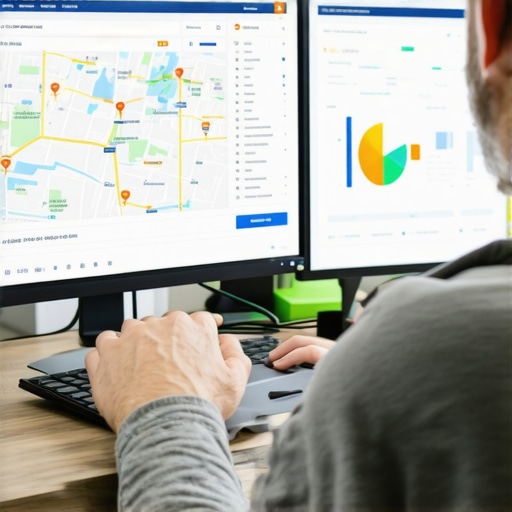
Elevate Your Local Map Visibility with Proven Tactics
Achieving dominance in local Google Maps rankings demands a strategic blend of technical SEO mastery and community engagement. From optimizing your Google My Business profile to harnessing hyper-local content, every element counts in building a robust local presence that attracts high-conversion clients.
Prioritize Data-Driven Profile Optimization
Ensure your NAP consistency, utilize relevant categories, and update high-quality images regularly. Leveraging insights from tools like BrightLocal can identify gaps and opportunities to refine your profile for maximum visibility.
Implement Advanced Schema Markup
Utilize comprehensive JSON-LD schema types such as Service, Product, and LocalBusiness schemas to enhance your listing’s appearance and relevance. Rich snippets generated from detailed schema can significantly increase click-through rates.
Harness Hyper-Localized Content to Build Authority
Create neighborhood-specific guides, customer stories, and community involvement content. Collaborate with local influencers and organizations to generate backlinks and social signals that boost your local authority.
Optimize for Voice Search Trends
Incorporate conversational keywords and FAQs tailored to voice queries. Structured data and Q&A sections can help your business appear as a featured snippet in voice search results.
Manage Reviews with Sophistication
Implement sentiment analysis and real-time reputation monitoring. Embedding review snippets into your schema markup enhances credibility and visibility, influencing local rankings positively.
Curated Resources for Deep Expertise
- BrightLocal Blog: Offers in-depth local SEO insights, case studies, and practical tips for advanced optimization.
- Google’s Business Profile Help Center: Official resource for the latest updates and best practices directly from Google.
- Moz Local Search Ranking Factors: Provides authoritative analysis of local ranking signals and strategic implementation guidance.
- Search Engine Journal: Features expert articles on schema markup, voice search, and emerging trends in local SEO.
- Schema.org Documentation: Comprehensive resource for implementing and customizing schema types to maximize local visibility.
Final Reflection from an Industry Authority
In the evolving landscape of local search, mastery of Google Maps optimization hinges on integrating technical excellence with community-centric content and reputation management. This holistic approach, rooted in expert insights, positions your business not just for current success but for sustained dominance. For those committed to elevating their local presence, continuous learning and strategic application of these advanced tactics are indispensable. Engage with our team for tailored guidance or explore further resources to deepen your expertise—your path to local prominence begins now.



Madeline Carter
This is an incredibly comprehensive overview of effective local SEO tactics, especially the emphasis on schema markup and hyper-localized content. I’ve seen firsthand how detailed schema implementation can make a significant difference in visibility—especially when it comes to rich snippets that stand out in local search results. One challenge I often encounter is balancing technical SEO with genuine community engagement. Has anyone here found ways to streamline schema deployment without compromising on personalization and local relevance? Personally, I’ve started using JSON-LD generators to speed up schema coding, but I’d love to hear others’ methods or tools that they swear by for keeping things efficient.
Jameson Carter
This post hits the mark on the importance of a well-rounded local SEO strategy, especially emphasizing schema markup and local content. From my experience managing a small business, I’ve found that aligning keyword research with actual customer queries makes a big difference. Also, leveraging Google My Business insights regularly helps identify gaps—like missing photos or outdated info—that could be holding rankings back. I’m curious, has anyone tried automating review collection or reputation management? We’ve seen some success with tools that send follow-up messages post-service, which seems to encourage more genuine feedback without coming across as pushy. Given the increasing importance of voice search, do you think investing in FAQ content and structured data now will provide long-term benefits as AI algorithms evolve? Would love to hear how others are balancing content creation with technical SEO efforts to stay ahead in local search rankings.
Evelyn Morgan
This article really underscores how crucial an integrated approach is to dominating local search, especially with Google Maps ranking factors becoming more sophisticated. I’ve personally seen that consistent updates to GMB profiles combined with proactive review management can truly move the needle. One thing I’ve noticed is how much emphasis Google places on relevance and user experience signals—especially as voice search continues to rise. Has anyone experimented with creating micro-moments or localized content tailored specifically for voice queries? I’ve started adding more FAQ sections that directly answer common questions in a conversational tone, and the early results seem promising. It’s clear that staying ahead in local SEO isn’t just about technical tactics but also about understanding evolving user behaviors. I’d love to hear how others are blending content marketing with technical SEO strategies for sustained local dominance.