Unveiling the Hidden Factors Sabotaging Your Local Maps Visibility
In the fiercely competitive landscape of local marketing for trades, especially for plumbing services, visibility on Google Maps can significantly influence lead generation and business growth. Technical nuances, often overlooked, shape your maps ranking and determine whether potential clients find your business or your competitors’. Understanding these intricacies is paramount for seasoned contractors seeking to dominate local search.
Decoding the Complex Web of Map Optimization and Visual Signals
The core of effective maps ranking lies in precise local SEO strategies fortified by authentic visual signals. Notably, image optimization plays an understated yet pivotal role. In 2026, neglecting image-related factors can lead to significant drops in your local visibility, as search algorithms continue to evolve, prioritizing user-centric signals over generic listings.
Common Visual Pitfalls That Drain Maps Rankings
Expert analysts reveal four recurring image-related mistakes that erode your Google Maps authority:
1. False or Inconsistent Image Branding
Disparities between your profile images, storefront photos, and website visuals can confuse algorithms, undermining your business’s authenticity. Search engines favor consistent branding cues to confirm legitimacy and relevance.
2. Low-Quality or Oblique Imagery
Blurry, poorly lit, or off-angle images diminish trustworthiness, inadvertently signaling neglect or unprofessionalism, which penalizes your ranking. High-resolution, well-composed imagery boosts credibility and ranking signals.
3. Inadequate Use of Geo-Tagged Pictures
Failing to incorporate geotagging with your images deprives your profile of location-specific signals, which are vital for local service SEO. Properly geo-tagged visuals reinforce proximity relevance to prospects.
4. Ignoring the Power of Customer-Generated Content
Neglecting to leverage real reviews, photos, and testimonials creates a gap in social proof. Authentic user images serve as powerful trust signals, propelling your maps rank higher in local search results.
Are Your Visual Strategies Outdated or Undervalued?
Contractors often emphasize on-page SEO and reviews but overlook the strategic importance of visual signals—an oversight that can cost substantial local call volume. To maintain competitive edge, integrating high-quality, geo-tagged visuals, and consistent branding is crucial. Regularly auditing and optimizing your images ensures alignment with evolving Google Map algorithms, which increasingly favor genuine, user-centric content.
For actionable insights on maximizing your home services SEO and surpassing local competitors, consider consulting industry-leading resources or engaging a specialist in local marketing strategies for trades.
Take Action: Elevate Your Map Presence Now
By systematically addressing these image-related errors, plumbing professionals can markedly enhance their local search rankings. Continuous optimization, aligned with Google’s algorithm updates, paves the way for increased visibility and higher conversion rates. Stay proactive and vigilant—your competitors won’t wait.
Leverage expert guidance and share your experiences in refining visual signals to propel your business forward in 2026. For personalized support, explore our consultation services.
How Can Advanced Local SEO Techniques Transform Your Maps Rankings in 2026?
While optimizing visual signals like geotagged images and consistent branding is essential, emerging service SEO tactics focus on leveraging detailed citation profiles, schema markup, and behavioral signals to elevate local rankings. These strategies go beyond traditional approaches, embedding your business deeper into Google’s local ecosystem and aligning with the latest updates to local search algorithms—crucial for contractors aiming to dominate in competitive niches.
Can Local Signal Integration Outperform Paid Advertising in Map Rankings?
In a landscape where paid ads often dominate upper map positions, authentic local signals—such as consistent NAP citations, customer review behavior, and proximity algorithms—are proving to be more sustainable and cost-effective. Experts argue that a well-rounded local SEO strategy that emphasizes structured data-rich profiles and behavioral engagement can outperform paid placements, especially as AI-driven map algorithms prioritize user-centric signals in 2026.
Harnessing Google’s Behavioral Insights for Better Local Maps Performance
Google continually refines its Map algorithm to interpret user behavior signals—click-through rates, direction requests, call volume, and review interactions. Integrating tools that monitor these metrics provides insights into how potential clients engage with your listing, enabling targeted optimization. For instance, increasing your profile’s engagement through timely review responses or posting seasonal updates can boost relevance and rank. This approach embodies a shift from static SEO tactics to dynamic, behavior-driven optimization, aligning your strategy with core AI signals.
Adopting this mindset and implementing real-time adjustments can give local service providers a prolonged competitive advantage. For deeper understanding, see how top local marketing strategies for trades capitalize on behavioral signals to outrank competitors.
Upgrading Your Map Strategy with Data-Driven Insights
Utilize analytics platforms that integrate with Google My Business and Maps to track user interactions and local search trends. These data points inform you where to refine your profile, such as optimizing keywords that drive engagement or identifying underserved neighborhoods with high demand potential. Combining these insights with technical optimization creates a resilient and adaptable approach capable of weathering algorithm updates and AI shifts.
As Google continues to evolve, so must your tactics. Staying ahead requires an ongoing commitment to harnessing data and integrating nuanced signals. For actionable steps, explore our comprehensive guide on service SEO strategies tailored for local service pros.
Remember, consistent testing, monitoring, and adaptation are keys to sustained local success. Share your experience with recent Map ranking improvements or challenges in the comments and join a community of proactive contractors shaping their digital futures today.
Leveraging Semantic SEO to Reinforce Your Map Visibility
In the ever-evolving landscape of local search, semantic SEO emerges as a pivotal strategy for contractors aiming to carve out a dominant presence. Unlike traditional keyword targeting, semantic SEO emphasizes context and user intent, allowing your business to be discoverable through related inquiries and long-tail searches. Integrating structured data, such as schema markup, not only enhances your visibility but also helps search engines understand the nuanced relevance of your services, especially when combined with geographically anchored content.
How Does Contextual Relevance Impact Map Rankings?
Search engines increasingly prioritize contextually relevant results, especially in local queries. For example, a search for “emergency plumbing services near me” benefits from content and signals that are deeply aligned with emergency response, proximity, and immediate accessibility. Embedding local keywords naturally within a semantic framework and utilizing schema.org for service and location markup cultivate a rich information environment that search engines interpret as highly relevant, boosting your map position.
Harnessing Voice Search and Conversational Queries in Local SEO
The rise of voice-activated assistants reshapes how prospects find local services. Phrases like “Who offers the best HVAC repair near me?” reflect conversational intent that maps directly onto your local SEO efforts. To capitalize on voice search, optimize your profiles with natural language, FAQs, and succinct descriptions that mirror how customers verbally inquire about services. Advanced schema markup for FAQs and reviews can enhance your chances of being selected in voice results, especially for hyper-local queries.
Can Voice Search Optimization Drive Immediate Engagement?
Absolutely. Voice search often leads to immediate call-to-action responses, such as booking appointments or requesting quotes. Ensuring your contact information is prominently displayed and employing call extensions in your GMB profile increases the likelihood that voice inquiries convert into direct leads. Furthermore, aligning your content with the conversational tone and local intent fosters a user experience that searchers trust and prefer.
For authoritative insights, consult the latest findings from the Google Voice Search Optimization Guide (2025), which underscores the importance of semantic intent and local context in voice-driven conversions.
The Power of Hyper-Localized Content and Community Engagement
Diving deeper into the local ecosystem, hyper-local content tailored to specific neighborhoods or communities can dramatically influence your map rankings. Publishing location-specific blog posts, sponsoring local events, and participating in community initiatives generate authentic signals that associate your brand with the neighborhood fabric. This approach not only enhances your relevance but also stimulates user-generated content, review activity, and backlinks, all critical components of a resilient local SEO profile.
Moreover, fostering genuine community engagement encourages customers to share their experiences widely, amplifying your local presence organically. Integrate local news, testimonials, and case studies into your content strategy to build trust and authority within your service areas.
Concrete Steps to Integrate Advanced Signals into Your Strategy
To seamlessly combine these sophisticated tactics, begin by conducting an in-depth audit of your current local SEO and map profile. Employ tools like BrightLocal or Local Falcon to identify gaps in semantic relevance, schema implementation, or community signals. Next, develop a content calendar emphasizing location-specific FAQs, success stories, and community involvement. Simultaneously, optimize your Google My Business with updated schema markup, chat plugins for real-time engagement, and high-quality, geotagged multimedia content.
Finally, monitor your progress through analytics platforms that track map views, call volume, and engagement metrics. Adjust your strategy iteratively, aligning with the latest algorithm updates and user behavior shifts, to sustain and elevate your visibility in the local map ecosystem. Eager to discover how these tactics concretely impact your rankings? Reach out for a personalized consultation, and let’s craft a tailored roadmap to dominate local search in 2026 and beyond.
Leveraging Hyper-Local Content to Build Community Trust and Map Authority
Developing hyper-local content is more than just a marketing buzzword; it’s a strategic move that signals to search engines your deep roots within specific neighborhoods or communities. Crafting detailed blog posts that highlight local projects, success stories, or partnerships establishes your expertise and fosters genuine relationships. When prospects see your active participation in community events or initiatives, it amplifies your reputation and creates authentic signals that positively influence your Google Maps rankings. Incorporating local keywords naturally within these narratives further enhances relevance and visibility in hyper-targeted searches.
How Advanced Schema Markup Can Revolutionize Your Maps Presence
Implementing comprehensive schema markup tailored for service providers can dramatically augment how your business appears in local results. Beyond basic LocalBusiness schema, utilizing Service, AreaServed, and CustomerReview schemas creates a rich, structured data ecosystem around your listing. These enhancements allow search engines to better understand your offerings, location, and customer satisfaction levels, making your profile more attractive and clickable. As Google’s algorithms become increasingly sophisticated, deploying nuanced schema markup becomes essential for standing out amid local competitors and ensuring your map presence remains resilient against algorithm shifts.

Visualize the impact of rich schema data on local search results with a comparative image showcasing a standard vs. schema-enhanced business listing in Google Maps.
Nailing Voice Search Optimization for Local Service Dominance
The rise of voice-activated assistants signals a seismic shift in local search behavior. To harness this trend, craft your content with natural language and conversational keywords that mirror how local prospects verbally inquire about services. FAQs embedded with schema.org markup not only enhance your chances in voice results but also position your business as a go-to resource for immediate solutions. Integrating voice search optimization strategies ensures you capture the traffic fueled by queries like “Who offers reliable plumbing near me?” and converts them into tangible leads.
Are You Ready to Make Your Map Listings Irresistible to Voice and Local Search?
By aligning your content, schema, and user engagement with emerging voice and local search behaviors, your business can unlock new avenues of visibility and customer acquisition. The potential for increased call volumes, appointment bookings, and brand trust hinges on proactive adaptation. Explore industry-leading insights from Voice Search Optimization Guide (2026) and start transforming your strategy today.
Syncing Real World Engagement with Digital Signals
Beyond online content, active community engagement—such as sponsoring neighborhood events or joining local councils—creates powerful offline signals that reinforce your digital presence. Sharing these initiatives via social media or local press, coupled with authentic reviews and photos, fuels your local SEO engine. This synergy between offline and online efforts results in spikes in map visibility and customer trust, solidifying your position as a reputable local service provider.
Intelligent Data Utilization for Mapping Mastery
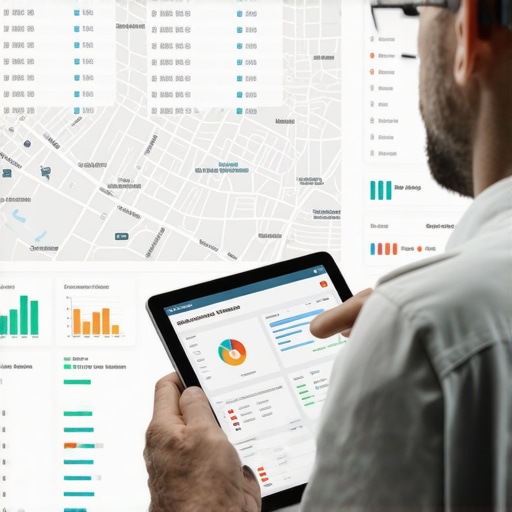
Employing sophisticated analytics tools allows you to interpret consumer behavior patterns, identify high-potential areas, and optimize your efforts dynamically. Insights into user interactions, search trends, and competitive gaps inform resource allocation and strategic focus. Regularly refining your map optimization tactics based on concrete data ensures your efforts remain agile, relevant, and ahead of the curve in an ever-evolving local SEO landscape.
How Can You Integrate Feedback Loops to Sustain Map Supremacy?
Establishing continuous feedback mechanisms—such as monitoring review sentiment, engagement metrics, and local search rankings—enables real-time adjustments. Cultivating a culture of ongoing improvement, predicated on data-driven insights, ensures your business stays resilient amidst algorithm updates and market shifts. For advanced tactics and personalized guidance, consider our consultation services. Embrace these strategies and reinforce your trade service dominance in the digital map ecosystem of 2026.
Why Consistency Outperforms Genius in Map Optimization
Maintaining uniform branding, accurate citations, and synchronized imagery across all platforms continually reinforces your local relevance. In a competitive environment, persistent consistency often trumps sporadic genius, ensuring search engines recognize your business as a dependable, local authority.
Leveraging Behavior Data for Instant Map Wins
Analyzing customer interaction signals such as click-through rates, call volume, and review activity uncovers immediate opportunities to refine your local SEO strategies. Utilizing these behavioral insights enables proactive adjustments that can propel your maps rankings upward swiftly.
Fostering Hyper-Local Engagement Is a Game-Changer
Creating content tailored specifically to neighborhoods or community events fosters authentic connections. This hyper-targeted approach signals to Google your deep-rooted local presence, materially boosting your visibility in relevant searches.
Prioritize Schema Markup to Stand Out
Deploy advanced schema structures like local business, service, and review markup to craft a rich data environment. Search engines interpret this detailed information as a sign of authority, positioning your business prominently on local maps.
Reap Rewards by Embracing Voice Search Optimization
Optimizing profiles for conversational queries captures the burgeoning voice search traffic. Incorporate FAQs and natural language keywords, aligning your content with how prospects verbally seek services, resulting in higher visibility and engagement.
Expert Resources for Elevating Your Map Strategy
- Google’s Local Search Guidelines: A foundational resource outlining best practices aligned with algorithm updates and latest innovations.
- BrightLocal’s Local SEO Tools: Insights and tools designed specifically for local service professionals aiming to boost map rankings.
- Case Studies from Leading Contractors: Real-world examples illustrating successful implementation of advanced local signals and map SEO tactics.
Harnessing Advanced Signals for Unmatched Local Presence
Integrating nuanced signals like behavioral engagement, schema, and hyper-local content creates a formidable ecosystem that search engines trust. Staying ahead in local maps rankings demands a sophisticated, data-informed approach that evolves with Google’s algorithms, not just reactive tactics.
Engage with these strategies, refine your approach continuously, and connect with experts who can guide your journey toward top-tier local visibility in 2026. Reach out via our consultation services and start turning local searches into loyal customers today.