
Deciphering the Complexity Behind Maps Ranking Failures in 2026
In the rapidly evolving landscape of local SEO, especially for trades and home services, understanding the nuanced algorithms that govern Google Maps rankings is paramount. As an industry expert, I’ve observed that many contractors struggle not due to lack of effort but because of overlooked technical and strategic intricacies that define the current digital ecosystem. This article delves into the multilayered reasons behind these failures, offering insights into advanced local marketing strategies necessary to overcome them.
Interstitial Factors That Obscure True Map Visibility for Service Providers
The first barrier is often the misinterpretation of local signal prioritization, including proximity, review signals, and relevance. Google’s algorithm in 2026 weighs these factors differently, emphasizing schema markup, NAP (Name, Address, Phone Number) consistency, and localized content that resonates with high-intent queries. Many contractors neglect the technical finesse required to optimize these signals, leading to diminished rankings in maps listings despite having quality services.
Technical SEO Barriers Blocking Local Map Domination
Beyond content, behind-the-scenes SEO elements such as website schema, mobile responsiveness, and page speed profoundly influence local map visibility. For instance, improper use of schema for local business data can impair Google’s ability to accurately interpret and rank your listing. As noted in recent white papers by Moz, meticulous technical SEO audit practices are now more critical than ever in maintaining local prominence.
Leveraging Hyper-Local Signal Optimization for Competitive Edge
Advanced local SEO practitioners are harnessing hyper-local signals—such as localized landing pages, community engagement, and precise service area marking—to boost relevance and authority in maps. This approach not only improves rankings but also filters out less relevant competitors. Yet, executing this strategy requires a sophisticated understanding of geographic targeting and layered content strategies.
Can Over-Optimization Pose a Threat to Maps Rankings?
Is there a risk of Google penalizing localized SEO tactics that seem manipulative?
Yes, over-optimization, including keyword stuffing in NAP data or artificial review solicitation, can trigger penalties, leading to ranking drops. It is crucial to balance aggressive SEO tactics with authentic engagement and compliance with Google’s guidelines. To navigate these risks, consult authoritative sources like the Moz White Paper on SEO Penalties.
Harnessing Data-driven Insights for Sustained Map Performance
Data analysis tools—such as heatmaps, call tracking, and review sentiment analysis—are vital for diagnosing dips in rankings and formulating precise recovery strategies. Immediate implementation of rigorous review management and reputation marketing ensures sustained visibility in local packs.
For contractors seeking to elevate their local SEO game, exploring comprehensive case studies and authoritative guides, like the Google Maps Optimization Strategies, can unveil layers of opportunity often missed by standard practices.
If your practice in local service marketing isn’t yielding the desired results, consider a detailed audit of your current strategies and technical setup. Connect with industry experts through our consultation services for tailored, data-backed solutions that restore and enhance your maps rankings.
Uncover Hidden Factors That Impact Your Google Maps Rankings
While technical SEO and relevance are well-known pillars, emerging facets like competitive analysis and local engagement often remain underutilized. Deeply understanding competitor strategies can reveal opportunities to refine your own local map optimization. Tools such as SEMrush or BrightLocal enable contractors to benchmark their performance against top-ranking competitors, identifying gaps in reviews, citations, and local signals that could be hindering visibility.
Designing Multi-Touchpoint Local Campaigns to Dominate Maps
Effective local SEO today extends beyond website optimization. Multi-channel campaigns that incorporate social media check-ins, community involvement, and targeted local advertising create a layered network of signals reinforcing your map presence. These efforts cultivate trust and relevance, aligning with Google’s aim to showcase authorities in local markets. Incorporating localized content, such as neighborhood-specific landing pages, further enhances relevancy scores and user engagement.
What Role Does Reputation Management Play in Map Rankings?
Reputation signals, particularly reviews and ratings, are increasingly pivotal. Consistent acquisition of genuine, high-quality reviews enhances your profile’s trustworthiness—a critical factor for Google’s local ranking algorithm. Moreover, responding promptly to reviews demonstrates active engagement, fostering a positive online reputation. As affirmed by Moz’s recent research, a strong reputation correlates directly with improved visibility, especially in competitive markets. To streamline this, consider automated review solicitation tools and reputation monitoring systems.
Is There a Point Where SEO Becomes Overkill or Counterproductive?
Yes, hyper-focus on optimization can sometimes lead to pitfalls such as keyword stuffing, fake reviews, or aggressive citation building. These tactics risk penalties and erode trust among potential clients. Striking a balance between aggressive and ethical SEO practices is vital. Emphasize quality, authenticity, and adherence to Google’s guidelines—these principles underpin sustainable success in local map rankings. For a comprehensive understanding of best practices, review authoritative platforms like Mastering Google Maps Rankings.
Leverage Advanced Analytics to Fine-Tune Mapping Strategies
Implementing analytics solutions, such as geo-specific heatmaps and call-tracking data, allows for granular insights into user behavior and engagement metrics. Analyzing this data helps identify which local signals are performing well and which need optimization. Regular audits using these insights ensure your mapping efforts stay aligned with evolving Google algorithm patterns and local market trends. Engaging in continuous analysis and adjustment fosters long-term visibility and lead generation.
If you’re looking to elevate your local SEO game with cutting-edge insights and tailored strategies, explore our comprehensive Map Ranking Strategies. Our expert team can help craft a customized plan that drives measurable results in your service area.
Dominate Local Markets with Smart Schema Strategies
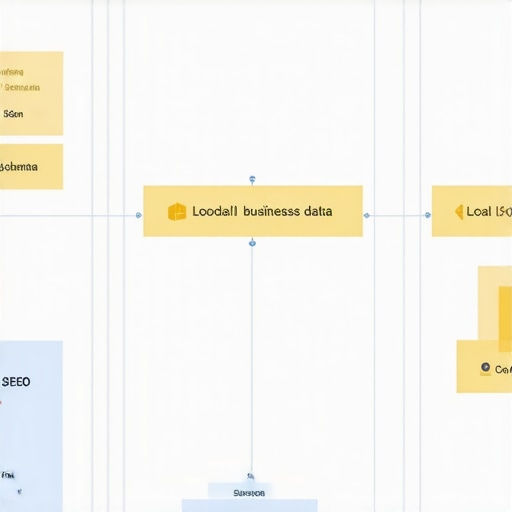
Schema markup isn’t just a technical checkbox; it’s a strategic tool that, when expertly implemented, can significantly elevate your local listings. In 2026, leveraging structured data beyond basic localBusiness schema—such as adding service-specific schemas, event markups, and geographic data—can refine Google’s understanding of your offerings. For instance, embedding detailed service schemas can boost relevance for niche search queries, giving you an undeniable edge over competitors who stick to generic markup. Experts like BrightLocal underscore that meticulous schema implementation improves map pack appearances and click-through rates, emphasizing its importance in a saturated market.
Can Advanced Schema Implementation Actually Rewrite Your Local SEO Narrative?
Absolutely. When paired with ongoing technical audits, schema strategies transform from static code snippets into dynamic assets that communicate your expertise and locality effectively. This holistic approach ensures search engines recognize your service niches, geographic reach, and customer value propositions with precision. Incorporate tools like Google’s Rich Results Test and schema validators to continually refine your markup. For those eager to deepen their mastery, investing in schema automation through JSON-LD scripts integrated with your CMS can streamline updates, maintaining a competitive advantage.
Turning Local Engagement into Authentic Authority
While technical signals are foundational, genuine community engagement acts as the social proof catalyst that accelerates rankings. Participating in local events, sponsoring neighborhood initiatives, or contributing expert content to relevant community forums enhances your local relevance. These offline interactions foster backlinks, citations, and social signals—elements that Google increasingly values in 2026. For example, sharing success stories or client testimonials from local collaborations within your blog or social media channels amplifies your authority.
Furthermore, using geotagged multimedia content—images, videos, or live streams—creates multi-dimensional signals that Google interprets as active participation and community trust. Integrating these with your Google My Business posts and reviews crafts a cohesive narrative of local authority, which search engines find compelling for ranking.
Deploying Multi-Channel Data Analytics for Unmatched Insights
Advanced analytics tools tailored for local SEO can arm you with predictive insights, revealing not just current performance but future opportunities. Heatmap analysis of user interactions on your site indicates which local pages resonate most, guiding content and service adjustments in real time. Call tracking data, particularly when integrated with CRM systems, allows you to attribute conversions accurately to specific local campaigns or sources, refining your marketing mix.
Moreover, sentiment analysis of reviews and social mentions provides nuanced understanding of local customer perceptions. This intel aids in crafting targeted reputation management strategies that resonate authentically, boosting your profile’s trustworthiness. According to a recent report by Search Engine Journal, businesses leveraging integrated analytics platforms experience a 30-50% improvement in local visibility within six months, underscoring the potency of data-driven optimization.
Addressing the Elephant in the Room: Navigating the Fine Line Between Optimization and Manipulation
In aggressive markets, the temptation to deploy rapid, manipulative tactics can be high. However, these often backfire, resulting in penalties or long-term damage to reputation. The golden rule remains: authenticity. Incorporate genuine customer engagement, honest reviews, and transparent citation-building practices. Google’s algorithm updates continue to penalize manipulative behaviors, emphasizing the need for sustainable strategies rooted in integrity.
If you’re committed to ethical, impactful local SEO, staying informed about the latest algorithmic shifts is crucial. Resources like Google’s Developer Blog and industry-specific SEO forums offer insights to keep you ahead of potential risks. Remember, lasting success in Google Maps ranking isn’t achieved through shortcuts—it’s built on consistent, strategic effort backed by expert knowledge.
The Impact of Evolving Local Search Algorithms Beyond Basic Optimization
As local search algorithms become increasingly sophisticated, experts must look past conventional tactics and explore multifaceted strategies that align with emerging AI-driven ranking factors. In 2026, factors such as machine learning-based relevance assessments and contextual understanding play pivotal roles, demanding a deep dive into semantic on-page signals, semantic markup integration, and user intent alignment to enhance map prominence.
Deciphering the Influence of Hyper-Personalization in Map Visibility
Google’s integration of personalized search results into map listings suggests that tailoring local SEO efforts to individual user behaviors, preferences, and device contexts can yield superior rankings. Utilizing geo-fencing, localized content personalization, and dynamic offer displays ensures that your service remains relevant in personalized search contexts, thereby gaining higher map placement during targeted query windows.
How Can Local Schema Markup Elevate Your Map Rankings?
What advanced schema implementations most effectively push local listings to the top?
Implementing layered schema markups—such as service, product, event, and geographic schemas—in conjunction with automated JSON-LD tools enhances Google’s comprehension of your offerings. As BrightLocal emphasizes, precise schema deployment can improve your inclusion in rich snippets, knowledge panels, and map packs, effectively boosting visibility. It’s vital to continually audit these enhancements with tools like Google’s Rich Results Test to ensure their effectiveness and compliance.
Pioneering Reputation Dynamics Through Authentic Engagement
Building on foundational review strategies, emerging insights reveal that leveraging multimedia reviews, such as customer-submitted videos and social proof collaborations, exponentially influence local search rankings. Creating genuine narratives around your service excellence and fostering ongoing interactions through community forums or neighborhood initiatives amplifies trust signals, reinforcing your authoritative status in local markets.
Integrating AI-Powered Competitive Analysis for Smarter Positioning
Utilizing advanced AI analytics platforms enables contractors to conduct real-time competitive benchmarking with unprecedented granularity. These tools analyze citation profiles, content gaps, review sentiment nuances, and local engagement patterns. Harnessing these insights to refine targeted content and local outreach efforts ensures your maps ranking strategy remains agile amidst evolving market and algorithmic landscapes.
What Ethical Boundaries Must Be Respected to Sustain Long-Term Map Dominance?
While aggressive tactics might seem tempting, maintaining integrity is essential. Techniques such as avoiding artificial review generation, transparent citation building, and ethical engagement with local communities safeguard your reputation and prevent penalties. Google’s algorithm updates increasingly prioritize authentic local signals, making sustainability over shortcuts the smarter choice for lasting success—a fact supported by the latest updates from Moz and Search Engine Land.
How Does Hyper-Localized Content Create Competitive Differentiation?
Producing hyper-targeted content that reflects neighborhood-specific needs, local slang, cultural nuances, and service area variations significantly enhances relevance. Embedding geo-specific keywords within rich media, client success stories, and localized FAQs positions your business as a community-centric authority, which Google recognizes and rewards with improved map rankings.
Why Advanced Link-Building in Local SEO Demands a Nuanced Approach
Moving beyond generic citations, cultivating backlinks through strategic sponsorships, local partnerships, and authoritative neighborhood directories boosts your local trust score. Emphasizing quality over quantity and ensuring link relevance align with Google’s shifting focus toward natural, community-based authority signals in 2026, well-documented in industry white papers by Ahrefs and SEMrush.
The Power of Multi-Channel Data Fusion in Mapping Success
Combining data from social media engagement, geotagged multimedia, customer journey analytics, and local advertising metrics provides a 360-degree view of your positioning efforts. This integrated approach reveals hidden opportunities, such as under-leveraged neighborhoods or service areas. Employing AI-driven data fusion platforms enables proactive strategy refinement, ensuring your map rankings adapt swiftly to local market dynamics.
Elevate Your Map Optimization with Cutting-Edge Tools and Tactics
Adopting advanced tools like schema automators, AI competitor analyzers, and geo-targeted marketing automation platforms positions your business at the forefront of local SEO innovation. Continuous experimentation with emerging signals—like voice search adaptation and visual content optimization—paves the way for enduring local prominence.
Expert Insights & Advanced Considerations
Focus on Hyper-Local Content Capabilities
Tailoring your content to reflect specific neighborhoods and service areas can dramatically boost relevance scores, making your listings more attractive to Google’s evolving algorithms. Incorporate local slang, landmarks, and culturally resonant details to deepen your local authority.
Prioritize Technical Schema Precision
Implement layered schema markups that go beyond basic localBusiness data, including service-specific and event schemas, to sharpen Google’s understanding of your offerings, which can elevate your position in map packs effectively.
Capitalize on Genuine Community Engagement
Active participation in local events, sponsorships, and social initiatives not only builds reputation but also generates authentic backlinks and social signals, reinforcing your local authority in the eyes of search engines.
Leverage AI-Driven Competitive Intelligence
Use advanced analytics tools to dissect competitors’ citation profiles, review strategies, and local signals. This intelligence guides precise adjustments and highlights untapped opportunities in your marketing repertoire.
Balance Optimization and Ethical Practices
While deploying aggressive strategies can seem tempting, maintaining authenticity through honest reviews, transparent citations, and community-oriented actions safeguards long-term visibility and compliance with evolving Google guidelines.


![5 Local SEO Fixes for Trades Managing Multiple Crews [2026]](https://seoforservicebusinesses.com/wp-content/uploads/2026/03/5-Local-SEO-Fixes-for-Trades-Managing-Multiple-Crews-2026.jpeg)