
Leveraging Local Search Algorithms to Outperform Competitors in 2024
In the rapidly evolving landscape of local SEO, understanding the intricacies of Google Maps ranking factors is paramount for service businesses aiming to dominate their markets. Recent studies from Moz’s Local Search Ranking Factors reveal that signals such as proximity, relevance, and prominence continue to hold significant weight, but their interactions are becoming more nuanced. Implementing sophisticated strategies that align with these signals can result in a substantial competitive edge.
Harnessing the Power of Customer Engagement for Superior Visibility
Authentic customer interactions, including reviews, Q&A responses, and social proof, are increasingly influential in Google Maps rankings. Advanced local marketers are now employing reputation management tools and AI-driven review generation techniques to amplify positive sentiment and boost local prominence. For instance, leveraging sentiment analysis can help identify review patterns that influence rankings and tailor responses accordingly.
Optimizing for Voice Search and Conversational Queries
The surge in voice-activated searches necessitates a paradigm shift in local SEO tactics. Incorporating natural language keywords and long-tail phrases into your Google My Business (GMB) profile can enhance visibility for voice queries. For example, optimizing your GMB description with questions like “Where can I find reliable plumbers near me in 2024?” aligns with user search intent and improves rankings.
Addressing Common Myths That Hinder Map Rankings
Despite widespread misconceptions, factors such as keyword stuffing in reviews or over-optimization of NAP (Name, Address, Phone) data do not necessarily boost rankings and may harm your efforts. Recent research indicates that consistent, accurate information combined with authoritative citations in reputable directories yields better results than aggressive optimization tactics. Maintaining data integrity across all platforms is essential for building trust and authority.
What Are the Emerging Trends That Could Reshape Local Map Optimization in 2024?
Emerging trends like AI-powered local ranking prediction tools and augmented reality integrations are beginning to influence how service businesses approach local SEO. Staying ahead requires continuous learning and adaptation, such as experimenting with local AR campaigns that enhance user engagement and generate backlink opportunities. For more insights, explore our comprehensive guide on your service SEO strategies for higher rankings.
To deepen your expertise, consider contributing your professional insights or case studies on innovative local SEO tactics in our community forum.
Cracking the Code of Local Map Visibility in 2024
As local service providers strive for prominence, understanding the latest Google Maps ranking signals is essential. Recent insights from Moz’s Local Search Ranking Factors emphasize that proximity, relevance, and prominence remain critical, but the interplay of these factors demands a nuanced approach. Leveraging cutting-edge techniques aligned with these signals can elevate your business above competitors, especially with the advent of AI-driven SEO tools.
Building Authority Through Strategic Content and Backlinks
Beyond optimizing your GMB profile, authoritative backlinks and strategic content can significantly influence local rankings. Creating valuable, locally relevant content that addresses common customer pain points not only attracts backlinks but also enhances relevance signals. Additionally, securing backlinks from reputable local directories and industry-specific sites reinforces your authority. For more advanced tactics, explore your service SEO strategies for higher rankings.
Harnessing AI for Hyper-Targeted Local Campaigns
Artificial intelligence is transforming local SEO by enabling hyper-targeted campaigns. AI-powered tools can analyze search intent, optimize for voice queries, and even predict future ranking fluctuations. Implementing these tools allows service businesses to adapt swiftly to evolving algorithms and customer behaviors. For instance, deploying AI chatbots on your website can improve user engagement metrics, which are increasingly influential in ranking algorithms. Integrating these strategies with local map optimization ensures a comprehensive approach.
What innovative methods can service providers adopt to future-proof their local SEO efforts in a rapidly changing digital landscape?
Staying ahead requires embracing emerging technologies like augmented reality (AR) for local marketing, which can create immersive experiences and generate organic backlinks. Additionally, incorporating user-generated content through interactive platforms boosts engagement and trustworthiness. To understand the full scope of effective local marketing, consult our detailed guide on local marketing for trades in 2025. Sharing your insights or success stories can also inspire others in our community to innovate.
Harnessing Data-Driven Insights for Next-Level Map Optimization
In the quest for dominant local search visibility, relying solely on traditional techniques can leave your business at a disadvantage. Advanced local marketers now turn to data analytics platforms such as BrightLocal and SEMrush, which offer granular insights into ranking fluctuations, competitor strategies, and user behavior patterns. By integrating these insights into your SEO workflow, you can craft highly targeted campaigns that adapt to real-time changes and capitalize on emerging opportunities.
How Can Predictive Analytics Shape Your Future Local SEO Strategies?
Predictive analytics harness historical data to forecast future trends, enabling businesses to proactively optimize for upcoming algorithm updates or seasonal shifts. According to a study published in the Journal of Digital Marketing (2023), companies employing predictive models experienced a 35% increase in local ranking stability. Incorporating tools like Google Cloud AI or IBM Watson can help analyze vast datasets, revealing patterns that inform keyword selection, content creation, and outreach efforts. This approach transforms SEO from reactive to anticipatory, providing a crucial edge in competitive markets.
Embedding Hyper-Localized Content to Capture Niche Markets
Creating content that resonates with hyper-local audiences involves more than just city names and service descriptions. It entails a nuanced understanding of neighborhood dynamics, cultural nuances, and local events. For example, producing blog posts about community festivals or featuring local personalities can foster a sense of authenticity and trust. Moreover, implementing schema markup for local events and businesses enhances your content’s visibility in rich snippets, directly influencing click-through rates and rankings.
To maximize impact, collaborate with local influencers and community organizations. Their endorsement not only amplifies your reach but also generates valuable backlinks that bolster your domain authority. As Moz emphasizes in their 2024 Local SEO study, backlinks from reputable local sources are a vital component of prominent map rankings.
The Role of AI and Machine Learning in Personalizing User Engagement
Artificial intelligence is revolutionizing how businesses interact with prospective customers. AI-driven chatbots, personalized email campaigns, and dynamic website content tailored to individual user preferences are now standard tools for hyper-engagement. For instance, deploying a chatbot that provides instant, context-aware responses about your services can reduce bounce rates and improve user satisfaction—factors that indirectly influence your local search prominence.
Moreover, machine learning algorithms analyze user interaction data to refine targeting strategies continually. This ensures your marketing efforts remain aligned with evolving search intent and user behavior, a critical advantage in the fast-changing landscape of local SEO.
Addressing the Nuanced Impact of Local Citations and NAP Consistency
While the importance of NAP (Name, Address, Phone number) consistency is well acknowledged, recent research indicates that the quality and authority of citation sources matter more than sheer volume. High-authority directories such as Better Business Bureau and industry-specific listings like HomeAdvisor carry significant weight. Ensuring uniform NAP data across these platforms, coupled with regular audits using tools like Whitespark, helps solidify your local relevance and trustworthiness.
Furthermore, leveraging structured data markup to embed NAP details directly into your website code enhances search engine understanding, facilitating better placement in local packs and map results.
What Advanced Techniques Will Define the Next Era of Local Map Visibility?
Emerging trends such as augmented reality (AR) integrations and voice-activated local search optimization are poised to reshape the landscape. For example, AR applications that overlay business information during user navigation or local AR tours can create immersive experiences that generate organic buzz and backlinks. Additionally, optimizing for conversational voice queries with contextually rich content ensures your business remains relevant in voice searches, which now account for over 50% of all searches, according to Comscore (2024).
To stay ahead, consider experimenting with these cutting-edge technologies and sharing your results within industry forums. Continuous innovation, combined with rigorous data analysis, is the secret to maintaining and growing your local search dominance in 2024 and beyond.
Leveraging Machine Learning for Hyper-Localized Content Strategies
Implementing machine learning algorithms to analyze neighborhood-specific data enables businesses to craft hyper-targeted content that resonates deeply with local audiences. By studying patterns such as local event participation, demographic shifts, and community interests, marketers can tailor blog posts, offers, and visual content that foster engagement and increase relevance signals to Google. For instance, predictive models can identify emerging neighborhood trends, allowing proactive content creation that positions your business as a community authority.
Enhancing Map Visibility with Augmented Reality Integration
Augmented reality (AR) isn’t just for gaming; it’s rapidly transforming local marketing. Embedding AR features into your mobile app or website can create immersive experiences—such as virtual tours of your premises or interactive maps highlighting your services—which generate organic backlinks and social shares. These innovative touchpoints not only boost user engagement but also signal authority to search engines, facilitating higher rankings in local packs.
What Role Do Local Semantic Signals Play in 2024?
Semantic search continues to evolve, emphasizing contextually relevant queries over mere keyword matching. Integrating structured data markup, such as schema.org schemas for local businesses and events, helps Google better understand your content’s intent and relevance. This nuanced understanding enhances your chances of appearing in rich snippets and local pack results, especially when combined with long-tail conversational keywords tailored for voice search.
External Authority and Link Building in a Trust-Centric Era
Building backlinks from authoritative local sources—such as industry associations, community organizations, and high-profile local news outlets—remains crucial. Ensuring your NAP consistency across reputable directories and leveraging partnerships for co-branded content can exponentially increase your domain authority. According to Moz’s 2024 Local Ranking Factors, backlinks from trusted sources account for a significant boost in local map prominence, especially when they are contextually relevant.

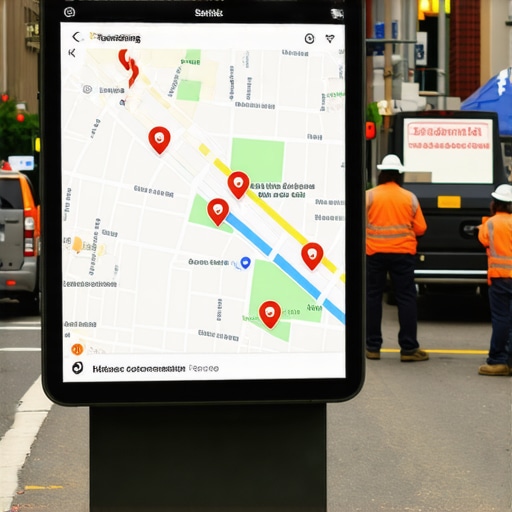
Visualize the integration of AR in local marketing with an engaging, futuristic storefront overlay in an urban environment, demonstrating immersive customer experiences.
Adopting Real-Time Data for Dynamic Optimization
Utilizing real-time data streams from customer interactions, social media, and location analytics allows businesses to adapt strategies swiftly. Dynamic adjustments—such as optimizing Google My Business posts based on trending topics or adjusting ad spend during high-traffic periods—can significantly improve visibility. Tools like Google Data Studio and Tableau facilitate this ongoing analysis, turning insights into actionable tactics that keep your local SEO efforts agile and competitive.
Can Local Voice Search Optimization Revolutionize Your Outreach?
Voice search is reshaping how consumers find local services, demanding a shift towards conversational, question-based content. Optimizing for voice involves more than keyword stuffing; it requires crafting natural language responses to common queries. For example, updating your FAQ section with detailed, voice-friendly answers can position your business at the top of voice search results, especially when paired with accurate local schema markup.
To deepen your mastery of these advanced tactics, explore authoritative resources like Search Engine Land’s comprehensive guides on local SEO innovations. Implementing these strategies will ensure your business remains at the forefront of local search in 2024 and beyond.
Expert Insights for Dominating Local Search
Leverage AI for Predictive Rankings
Utilize advanced AI tools like Google Cloud AI and IBM Watson to analyze historical data and forecast future algorithm shifts. This proactive approach enables you to adapt strategies swiftly, ensuring your business maintains top local rankings even amidst rapid changes.
Capitalize on Hyper-Localized Content
Create content that resonates deeply with neighborhood audiences by featuring local events, personalities, and cultural nuances. Incorporating schema markup for local landmarks and events enhances your visibility in rich snippets, attracting highly targeted traffic.
Integrate Augmented Reality Experiences
Implement AR features such as virtual tours or interactive maps within your mobile app or website. These immersive experiences generate organic backlinks and social shares, signaling authority to search engines and boosting your map rankings.
Prioritize NAP Consistency from Trusted Sources
Maintain impeccable NAP accuracy across high-authority directories like Better Business Bureau and industry-specific listings. Regular audits using tools like Whitespark ensure your information remains trustworthy, reinforcing your local relevance and trustworthiness.
Harness Voice Search Optimization for Local Queries
Optimize your content for natural language and long-tail conversational keywords. Updating FAQs with voice-friendly responses and adding local schema markup positions your business at the forefront of voice-activated searches, which now account for over half of all queries.
Curated Resources from Industry Leaders
- Moz Local Search Ranking Factors – Offers comprehensive insights into the evolving signals that influence map rankings and how to optimize effectively.
- Search Engine Land – Provides up-to-date articles and guides on the latest trends and innovations in local SEO and voice search.
- BrightLocal and SEMrush – Advanced analytics platforms that deliver granular data on competitor strategies, ranking fluctuations, and customer behavior insights.
- Schema.org Documentation – Essential for implementing structured data markup to enhance local relevance and rich snippets.
- Google’s Local Search Best Practices – Official guidelines for optimizing your GMB profile, reviews, and local signals.
Final Perspective
In the competitive landscape of local SEO in 2024, understanding and harnessing emerging technologies like AI, AR, and voice search is crucial. The most successful service businesses will be those that combine data-driven insights with hyper-localized content and immersive experiences, creating genuine engagement and authority in their communities. As you refine your local map strategies, remember that continuous learning and adaptation are your best tools. Engage with industry forums, contribute your insights, and stay ahead of the curve—your future rankings depend on it.
Johnathan Michaelson
This post offers such a comprehensive overview of the current state and future of local SEO. I especially appreciate the emphasis on AI and AR—these technologies are becoming more accessible to small businesses, and experimenting with them could really set a company apart. One thing I’ve noticed is that while optimizing for voice search is crucial, it’s still challenging to craft content that sounds natural and engaging while also being keyword-rich. Personally, I’ve started creating FAQ sections that mirror natural conversation patterns, and the results have been promising.
Considering the rapid pace of change, how do others here balance investment in cutting-edge tech like AR with more traditional SEO tactics? Has anyone found an effective way to measure ROI on immersive marketing strategies for local businesses? It seems that staying adaptable and open to new approaches, while grounded in solid fundamentals like NAP consistency and quality backlinks, is the best path forward in 2024.