
Unlocking the Power of Local SEO for Home Service Providers
In the competitive landscape of local home services, ranking higher on Google Maps is not just advantageous—it’s essential for attracting local clients and establishing market dominance. As an industry expert, I recognize that effective local SEO strategies can significantly elevate your visibility, but understanding the nuanced algorithms and ranking factors is key to sustained success.
Decoding Google Maps’ Ranking Algorithm: What Truly Matters?
Google Maps ranking hinges on a complex interplay of factors, including Google My Business (GMB) optimization, local citations, review signals, and behavioral metrics. Recent studies, such as those published by Moz and BrightLocal, highlight that Google’s local pack prioritizes relevance, proximity, and prominence. Mastering these elements requires a strategic approach rooted in data-driven insights and niche-specific tactics.
Advanced GMB Optimization: Beyond Basic Setup
While creating a GMB profile is fundamental, seasoned professionals understand that continuous optimization and data enrichment are vital. This includes leveraging keywords within your business description, selecting the most relevant categories, and actively managing reviews and Q&A. The goal is to enhance your relevance score and build authority within Google’s ecosystem.
Harnessing Local Citations and NAP Consistency for Authority Building
Consistency in your Name, Address, Phone Number (NAP) across all directories and citations is a cornerstone for local SEO authority. Advanced practitioners utilize tools like SEMrush or Whitespark to audit and rectify inconsistent citations, which can otherwise dilute your local relevance and credibility. Moreover, integrating schema markup enhances semantic understanding by search engines, further boosting your prominence.
How Do Review Signals Impact Local Search Rankings?
Reviews remain a critical ranking factor, with recent research illustrating their influence on local pack visibility. Not only does review volume matter, but also review sentiment and recency. Implementing automated review solicitation processes and responding to customer feedback demonstrates engagement and improves your reputation, ultimately reinforcing your local prominence.
What Are the Emerging Trends in Home Services SEO for 2025?
Looking ahead, voice search optimization, AI-driven local ranking models, and hyper-local content will redefine how home service providers approach SEO. Keeping abreast of these trends requires continuous learning and adaptation—an open challenge for even seasoned SEO professionals. For a comprehensive understanding, explore our latest strategies and case studies.
To deepen your expertise, consider consulting authoritative sources such as Moz’s local search ranking factors, which offer valuable insights into evolving algorithms and ranking signals.
For those committed to mastery, engaging with industry forums and sharing your insights can lead to innovative solutions and peer recognition. Explore our community platform to connect with fellow professionals and exchange best practices.
Are You Leveraging Hyper-Local Content for Maximum Impact?
In the ever-evolving landscape of local SEO, hyper-local content has emerged as a powerful tool to connect with your immediate community and outrank competitors. By creating tailored blog posts, videos, and offers that resonate with local events, landmarks, and neighborhood-specific needs, your business can enhance relevance and engagement. This approach not only boosts your Google Maps ranking but also fosters trust and loyalty among local clients. For effective implementation, consider integrating localized keywords seamlessly into your content and leveraging schema markup to signal relevance to search engines. Want to see how hyper-local content can transform your visibility? Dive deeper into our comprehensive SEO guide.
Innovative Hyper-Local Content Tactics to Elevate Your Home Service Business
As local SEO continues to evolve, hyper-local content has emerged as the definitive strategy for building community trust and outranking competitors. Advanced practitioners recognize that hyper-targeted content—such as neighborhood-specific blog posts, interactive maps, and localized testimonials—can significantly enhance your relevance score on Google Maps. But how do you craft content that resonates deeply with your immediate community while aligning with Google’s algorithmic preferences?
One approach involves leveraging data analytics tools like Google Trends and local demographic reports to identify pressing community needs and trending topics. For instance, if a neighborhood experiences frequent plumbing issues during winter, creating detailed guides or videos addressing winter-proofing tips not only provides value but also signals relevance to local queries. Incorporating localized keywords naturally into your content, combined with schema markup for local business details, creates a semantic bundle that search engines can interpret effectively.
What are the critical elements for creating hyper-local content that drives engagement and rankings?
Key components include authenticity, relevance, and consistency. Authentic storytelling about your local projects or customer success stories fosters trust and encourages sharing. Relevance is achieved by aligning content with current local events, landmarks, or seasonal needs. Consistency in publishing and updating content keeps your business top-of-mind and signals active engagement to search engines. Additionally, integrating user-generated content such as reviews, photos, and community comments amplifies your local authority and creates a vibrant neighborhood hub.
Furthermore, strategic partnerships with local influencers or community organizations can boost content reach and credibility. Collaborate on neighborhood events, sponsor local initiatives, or participate in community fairs—these activities generate organic content opportunities that resonate on a personal level.
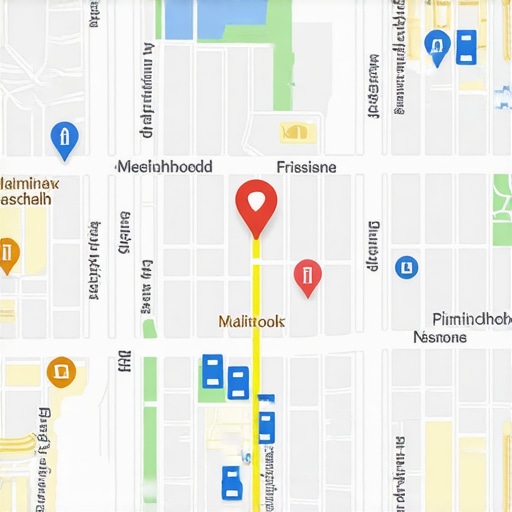
Embedding visual elements like neighborhood maps, before-and-after project images, or localized infographics can dramatically increase user engagement and dwell time. An illustrative image might depict a map with highlighted service areas or a photo collage of recent local projects, providing immediate context and visual appeal.
How to Measure the Impact of Your Hyper-Local Content Campaigns?
Evaluating success requires a combination of quantitative and qualitative metrics. Use tools like Google Search Console and Google Analytics to monitor traffic, bounce rates, and conversions originating from specific neighborhood pages. Track keyword rankings for localized search terms and observe changes in your Google Maps visibility through local pack rankings.
Additionally, sentiment analysis of reviews and social media mentions offers insights into community perception and engagement levels. Conduct periodic surveys or feedback sessions with local clients to gather qualitative data about your content’s effectiveness and areas for improvement.
For those aiming to refine their hyper-local content strategies, consider subscribing to industry-specific analytics platforms like BrightLocal or Whitespark, which provide comprehensive local SEO reporting and citation audits. Remember, hyper-local content is not a one-time effort but an ongoing commitment to community-centric storytelling that builds trust and authority over time.
Interested in deepening your understanding of local SEO innovations? Explore our comprehensive SEO mastery resources and join our community of industry experts dedicated to pushing the boundaries of local search excellence.
Innovative Hyper-Local Content Tactics to Elevate Your Home Service Business
As local SEO continues to evolve, hyper-local content has emerged as the definitive strategy for building community trust and outranking competitors. Advanced practitioners recognize that hyper-targeted content—such as neighborhood-specific blog posts, interactive maps, and localized testimonials—can significantly enhance your relevance score on Google Maps. But how do you craft content that resonates deeply with your immediate community while aligning with Google’s algorithmic preferences?
One approach involves leveraging data analytics tools like Google Trends and local demographic reports to identify pressing community needs and trending topics. For instance, if a neighborhood experiences frequent plumbing issues during winter, creating detailed guides or videos addressing winter-proofing tips not only provides value but also signals relevance to local queries. Incorporating localized keywords naturally into your content, combined with schema markup for local business details, creates a semantic bundle that search engines can interpret effectively.
What are the critical elements for creating hyper-local content that drives engagement and rankings?
Key components include authenticity, relevance, and consistency. Authentic storytelling about your local projects or customer success stories fosters trust and encourages sharing. Relevance is achieved by aligning content with current local events, landmarks, or seasonal needs. Consistency in publishing and updating content keeps your business top-of-mind and signals active engagement to search engines. Additionally, integrating user-generated content such as reviews, photos, and community comments amplifies your local authority and creates a vibrant neighborhood hub.
Furthermore, strategic partnerships with local influencers or community organizations can boost content reach and credibility. Collaborate on neighborhood events, sponsor local initiatives, or participate in community fairs—these activities generate organic content opportunities that resonate on a personal level.
Embedding visual elements like neighborhood maps, before-and-after project images, or localized infographics can dramatically increase user engagement and dwell time. An illustrative image might depict a map with highlighted service areas or a photo collage of recent local projects, providing immediate context and visual appeal.
How to Measure the Impact of Your Hyper-Local Content Campaigns?
Evaluating success requires a combination of quantitative and qualitative metrics. Use tools like Google Search Console and Google Analytics to monitor traffic, bounce rates, and conversions originating from specific neighborhood pages. Track keyword rankings for localized search terms and observe changes in your Google Maps visibility through local pack rankings.
Additionally, sentiment analysis of reviews and social media mentions offers insights into community perception and engagement levels. Conduct periodic surveys or feedback sessions with local clients to gather qualitative data about your content’s effectiveness and areas for improvement.
For those aiming to refine their hyper-local content strategies, consider subscribing to industry-specific analytics platforms like BrightLocal or Whitespark, which provide comprehensive local SEO reporting and citation audits. Remember, hyper-local content is not a one-time effort but an ongoing commitment to community-centric storytelling that builds trust and authority over time.
Interested in deepening your understanding of local SEO innovations? Explore our comprehensive SEO mastery resources and join our community of industry experts dedicated to pushing the boundaries of local search excellence.
Expert Insights & Advanced Considerations
1. Embrace Hyper-Local Content With Precision
Creating hyper-local content tailored to neighborhood-specific needs and trends significantly boosts relevance and engagement, leading to higher rankings on Google Maps. Use localized keywords, community event coverage, and localized testimonials to deepen your local footprint.
2. Leverage Data Analytics for Continuous Optimization
Utilize tools like Google Trends, BrightLocal, and Whitespark to analyze community needs and adjust your content and SEO strategies accordingly. Data-driven decisions ensure sustained visibility and competitive advantage.
3. Foster Community Engagement & Trust
Active participation in local events, sponsorships, and collaborations with community influencers build trust and generate organic backlinks. These relationships enhance your local authority and improve your Google Maps rankings.
4. Prioritize NAP Consistency & Schema Markup
Maintaining consistent Name, Address, Phone Number (NAP) across all directories, combined with schema markup, improves search engine understanding and boosts your local prominence.
5. Optimize for Voice Search & AI Trends
Prepare for emerging trends by optimizing your content for voice search and AI-driven local ranking models, ensuring your business remains ahead in the evolving landscape of local SEO.
Curated Expert Resources
- Moz’s Local Search Ranking Factors: Offers deep insights into algorithm updates and ranking signals, essential for advanced SEO strategies.
- BrightLocal’s Local SEO Tools: Provides comprehensive citation audits, review management, and local analytics to refine your campaigns.
- Google’s My Business Help Center: The authoritative source for GMB optimization best practices and updates.
- Whitespark’s Citation Finder: Assists in building consistent citations and local backlink opportunities.
- SEMrush Local SEO Toolkit: Integrates keyword tracking, audits, and competitor analysis for a holistic approach.
Final Expert Perspective
Mastering local SEO for home services in 2025 demands a nuanced approach that combines hyper-local content, community engagement, and cutting-edge AI optimization techniques. The most impactful insights revolve around creating authentic, community-centric content that resonates locally and leveraging advanced data analytics for continuous refinement. As an industry professional, your commitment to these strategies can set you apart in the competitive landscape, ensuring sustained visibility and authority in local search rankings. Dive deep into these resources, share your expertise with peers, and stay ahead of the curve—your local dominance begins here. For ongoing mastery, explore our comprehensive local marketing blueprint.