
The Strategic Imperative of Google Maps Optimization in Local Business Success
In the fiercely competitive realm of local service providers, leveraging Google Maps optimization is no longer optional; it is a strategic necessity rooted in empirical data. According to a 2023 report by BrightLocal, 78% of local mobile searches result in an offline purchase, underscoring the importance of local visibility. While basic listings suffice for initial exposure, sophisticated strategies rooted in an understanding of local search algorithms can dramatically elevate a business’s market share.
Decoding the Complexities of Google’s Local Algorithm for Competitive Advantage
Google’s local ranking algorithm integrates multiple signals, including proximity, relevance, and prominence. Advanced practitioners analyze these signals to craft nuanced optimization tactics. For example, proximity remains a dominant factor; however, relevance and prominence—such as review quality, citation consistency, and local backlinks—are equally crucial. A comprehensive approach involves optimizing NAP (Name, Address, Phone Number) consistency across directories, implementing schema markup, and cultivating authoritative local backlinks to enhance prominence.
How Can Local Businesses Overcome the Challenges of Google Maps Optimization?
One of the primary challenges is managing the dynamic nature of local search ranking factors. For instance, review signals can fluctuate rapidly, impacting visibility. A proactive reputation management strategy, including timely review responses and solicitation of high-quality reviews, is essential. Additionally, integrating Google My Business (GMB) insights with third-party analytics tools enables real-time monitoring of ranking fluctuations and user engagement metrics, facilitating agile adjustments to SEO tactics.
What are the best practices for integrating local keyword research into Google Maps optimization?
Effective local keyword research should blend traditional SEO keyword analysis with local intent signals. Utilizing tools like Google Keyword Planner or SEMrush can reveal high-traffic terms with geo-specific modifiers. Embedding these keywords naturally into GMB descriptions, service pages, and reviews amplifies relevance signals to Google. For example, a plumber in Chicago should target keywords like “Chicago emergency plumber” or “best plumber in Chicago,” integrating them seamlessly into the business profile and content strategy.
For a deeper dive into comprehensive local marketing strategies, explore our guide on local marketing for trades. Additionally, connecting with industry experts can provide nuanced insights that refine your approach.
As noted by Moz’s Local Search Ranking Factors, citation consistency and review signals are among the highest-weighted factors, emphasizing the importance of meticulous profile management and reputation building in local SEO success. Incorporating these advanced tactics enables service providers to stand out in saturated markets and convert local searches into loyal clients.
Harnessing Local Data Analytics to Refine Google Maps Strategies
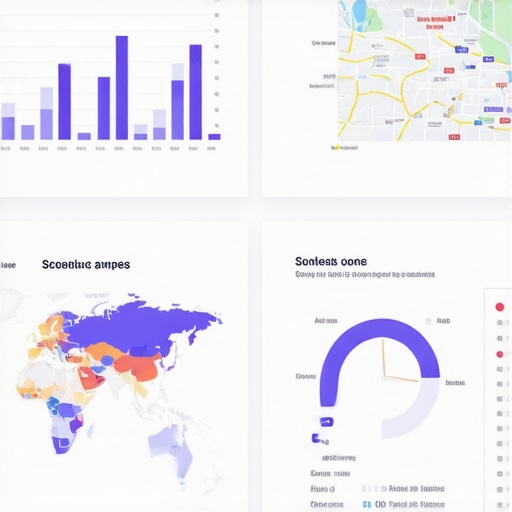
While traditional local SEO tactics like citation management and review optimization lay the foundation, integrating advanced data analytics offers a competitive edge. Tools such as Google Analytics, combined with Google My Business insights, enable businesses to track user behaviors, pinpoint high-conversion keywords, and identify service areas with the highest engagement. For example, analyzing search queries and navigation paths can reveal under-optimized keywords or overlooked neighborhoods, allowing targeted adjustments that boost local visibility.
Can AI and Machine Learning Revolutionize Local Search Optimization?
Emerging AI-driven solutions are beginning to transform how service providers approach local SEO. By leveraging machine learning algorithms, businesses can predict search trends, automate review responses, and personalize content based on user intent. Platforms like BrightLocal and Whitespark offer AI-enhanced tools to identify local ranking opportunities and monitor competitor strategies in real-time. Integrating these cutting-edge technologies can dramatically increase your chances of outranking competitors and securing top spots on Google Maps.
What Practical Steps Can Businesses Take Today to Implement These Advanced Tactics?
Start by auditing your current local data using analytics platforms to establish a performance baseline. Next, incorporate AI tools to automate routine tasks such as review management and keyword tracking. Additionally, continuously test and refine your local content strategies based on data insights, ensuring your profile remains relevant and authoritative. For comprehensive guidance on implementing these advanced tactics, visit our detailed Service SEO guide.
Moreover, staying updated with the latest local search algorithm changes and industry best practices is crucial. Following authoritative sources like Moz’s Local Search Ranking Factors helps you understand evolving criteria and adapt proactively, ensuring sustained visibility in your service area.
Have you experimented with AI tools or data analytics in your local SEO efforts? Share your experiences or ask questions in the comments — your insights could help fellow service providers refine their strategies!
Leveraging Local Schema Markup for Precision in Google Maps Rankings
While many local businesses focus on NAP consistency and review management, the strategic implementation of localized schema markup can significantly enhance visibility on Google Maps. Schema markup provides search engines with detailed context about your business, such as service areas, operating hours, and specific offerings. For example, implementing LocalBusiness schema with nested properties allows Google to better understand your geographic and service scope, improving relevance in localized searches.
According to a comprehensive study by Schema.org (2022), businesses employing detailed schema markup experience a 15-20% increase in local search visibility and click-through rates. This is because schema acts as a semantic language, bridging the gap between your business data and Google’s understanding, resulting in more accurate local rankings.
How can local schema markup be tailored for niche service providers?
Specialized service providers—such as legal firms, medical clinics, or bespoke artisans—should customize schema to highlight unique attributes. For instance, a legal practice can incorporate LegalService schema with details about practice areas, licensing, and appointment booking. Similarly, a boutique hotel might utilize LodgingBusiness schema with amenities, room types, and local attractions. This granularity not only boosts relevance but also enhances your appearance in rich snippets, elevating your local profile above competitors.
To implement these advanced schema strategies effectively, consider tools like Google’s Structured Data Markup Helper or Schema App, which facilitate accurate deployment and testing. Properly structured data can be the differentiator that propels your business to the top of Google Maps rankings, especially in highly competitive markets.
Integrating Voice Search Optimization for Hyper-Localized Engagement
With the surge in voice-activated searches, optimizing for voice queries has become an essential frontier in local SEO. Voice searches tend to be more conversational and question-oriented, often including local intent, such as “Where is the best Italian restaurant near me?” or “Who offers emergency plumbing in downtown Boston?” To capitalize on this trend, businesses must refine their content and metadata for natural language and long-tail keywords.
Research published by Think with Google (2023) indicates that 58% of voice searches are made on mobile devices, emphasizing the importance of mobile-friendly, conversational content. Incorporating FAQs on your website, with clear, concise answers aligned with common voice search queries, can dramatically improve your chances of appearing in voice-activated local results.
Furthermore, structuring your GMB profile with detailed service descriptions and answering user questions directly within reviews or posts can also enhance voice search relevance. This proactive approach ensures your business is not just visible on maps but also accessible through voice commands—a crucial step toward capturing the growing segment of voice-driven local consumers.
What Role Do Local Backlinks Play in Google Maps Authority and How to Build Them?
While on-page signals and schema markup are vital, the power of local backlinks cannot be overstated. Backlinks from authoritative local sources, such as chambers of commerce, local newspapers, or industry associations, serve as trust signals that bolster your prominence and authority in Google’s eyes.
Building these backlinks requires strategic outreach and relationship building. Sponsoring local events, participating in community projects, or offering expert insights for local publications are effective tactics. Additionally, creating shareable local content—like neighborhood guides or case studies—encourages natural backlinks from community websites and blogs.
According to Moz’s 2023 Local Search Ranking Factors, citation signals, including backlinks, are among the highest-weighted influences on local rankings. A well-crafted backlink profile not only improves your Google Maps ranking but also enhances your overall online reputation, leading to increased trust and customer engagement.
If you’re committed to elevating your local SEO game, integrating schema markup, voice search optimization, and backlinks into a cohesive strategy will position your business for sustained success. Keep exploring innovative tactics and stay updated with Google’s evolving algorithms—your local dominance depends on it.
Unveiling the Nuances of Google’s Local Ranking Factors for Mastery in Google Maps
Understanding the sophisticated interplay of signals that influence local rankings, such as behavioral metrics, personalized search history, and contextual relevance, is crucial for seasoned SEO practitioners. Recent studies from Search Engine Land reveal that factors like click-through rate (CTR), dwell time, and user engagement metrics are increasingly weighted in Google’s local algorithm, emphasizing the importance of an optimized user experience and clickability. Harnessing tools like Google My Business Insights combined with heatmaps and session recordings can provide granular data on user interactions, enabling hyper-targeted optimization efforts.
The Power of Hyper-Localized Content in Elevating Map Visibility
Crafting hyper-localized content that resonates with specific neighborhoods or districts can significantly enhance relevance signals. For instance, integrating neighborhood-specific keywords into your service descriptions and local landing pages, supported by geo-tagged images, positions your business as a community-centric entity. This approach aligns with the findings of the Local SEO Guide, which emphasizes that content tailored to micro-local areas garners higher engagement and ranking benefits, especially in densely populated urban environments.
How Can Advanced Schema Markup Elevate Your Local Search Presence?
Beyond standard schema, employing nested and dynamic schema types—such as Service, Product, and Event schemas—can provide Google with a comprehensive semantic context about your offerings. Implementing LocalBusiness schema with rich properties like areaServed, hasMap, and serviceType enhances your chances of appearing in rich snippets, knowledge panels, and map packs. According to Schema.org’s latest analytics, businesses utilizing detailed schema markup observe a 20-30% increase in visibility and click-through rates. Advanced schema integration also facilitates better voice search compatibility, capturing the growing segment of voice-activated local queries.
What are the latest tools and techniques for testing and validating schema markup in local SEO?
Tools like Google’s Rich Results Test, Schema Markup Validator, and SEMrush’s Schema Generator allow for comprehensive validation and troubleshooting of structured data implementation. These tools help ensure that your schema is correctly formatted and recognized by Google, reducing errors that could impair visibility. Regular audits using these tools are essential for maintaining schema health, especially after algorithm updates or website redesigns. To leverage the full potential of schema markup, integrate it into your ongoing SEO workflow, tracking performance metrics through Google Search Console’s Enhancements report.
Explore authoritative resources like Moz’s Local Search Ranking Factors and Schema.org’s official documentation to stay ahead in schema best practices. Implementing sophisticated schema is not just a technical upgrade but a strategic move toward establishing digital dominance in your local market.
Optimizing for Voice Search in Niche Local Markets: Strategies for Experts
Voice search optimization demands a nuanced approach that considers natural language patterns and niche-specific queries. For niche markets such as legal or medical services, developing detailed FAQ pages that address complex questions in a conversational tone can dramatically improve voice search visibility. Incorporating structured data to mark up these FAQs ensures Google understands and indexes the content accurately, increasing the likelihood of featured snippets and voice responses.
According to a report from BrightEdge, up to 50% of all searches will be voice-based by 2025, underscoring the urgency for specialists to adapt. Tailoring your content strategy to include long-tail, question-based keywords such as “What is the best family lawyer near me?” or “Where can I find a certified cardiologist in my area?” aligns your business with these evolving user behaviors. Additionally, optimizing your Google My Business profile with updated services, hours, and location-specific keywords fortifies your voice search footprint.
Advanced Link Building Tactics for Local Authority Amplification
Building local backlinks through strategic partnerships with authoritative community organizations, industry associations, and local media outlets remains a cornerstone of local SEO. Engaging in co-hosted webinars, sponsoring community events, or contributing expert articles to local publications can generate high-quality backlinks, bolstering your site’s authority as recognized by Moz’s Local Search Ranking Factors. Additionally, leveraging digital PR campaigns that highlight unique local stories or case studies can earn natural backlinks and social shares, further elevating your prominence in Google Maps.
Consider deploying tools like Ahrefs and Majestic to monitor your backlink profile’s health and identify new opportunities for outreach. Regularly auditing your backlink portfolio ensures sustained relevance and authority, crucial for maintaining top rankings amid competitive local landscapes. For comprehensive guidance, consult industry leaders’ whitepapers and case studies to refine your link-building strategies and achieve long-term success.
Expert Insights & Advanced Considerations
1. Leveraging Hyper-Localized Content for Micro-Targeting
Creating hyper-localized content tailored to specific neighborhoods or districts significantly enhances relevance signals, positioning your business as a community-centric authority. Integrating neighborhood-specific keywords and geo-tagged images ensures your visibility in densely populated urban areas and niche markets.
2. Implementing Dynamic Schema Markup for Rich Snippets
Employing nested and dynamic schema types such as Service, Product, and Event schemas provides search engines with comprehensive semantic context. This strategic markup increases chances of appearing in rich snippets, knowledge panels, and map packs, elevating your local search prominence.
3. Optimizing for Voice Search with Niche-Specific FAQs
Developing detailed FAQ pages with conversational, long-tail keywords aligned with voice queries can dramatically improve voice search visibility. Integrating structured data enhances Google’s understanding, increasing the likelihood of your business being featured in voice-activated results.
4. Building Authority Through Strategic Local Backlinks
Acquiring backlinks from local chambers of commerce, industry associations, and community publications bolsters your domain authority. Engaging in community sponsorships, local PR campaigns, and shareable content like neighborhood guides fosters natural backlink growth, vital for top rankings.
5. Harnessing Data Analytics for Hyper-Targeted Optimization
Utilizing tools such as Google Analytics and GMB Insights enables pinpointing high-conversion keywords and underserved neighborhoods. Analyzing user engagement metrics facilitates continuous refinement of your Google Maps strategy, ensuring sustained local dominance.
Curated Expert Resources
- Moz’s Local Search Ranking Factors: An authoritative source detailing ranking signals and best practices for local SEO.
- Schema.org Official Documentation: The definitive guide for implementing advanced structured data markup to enhance search visibility.
- BrightLocal’s Voice Search Optimization Guide: Insights into optimizing for voice queries, crucial for future-proofing local SEO efforts.
- Google’s Structured Data Markup Helper: Practical tool for testing and deploying schema markup effectively.
- Local SEO Guide by Search Engine Land: In-depth strategies for local content, backlinks, and algorithm updates.
Final Expert Perspective
Mastering Google Maps optimization in 2025 demands an integrated approach—combining hyper-localized content, sophisticated schema markup, voice search readiness, authoritative backlink building, and data-driven tactics. These advanced strategies position your business not just for immediate visibility but for sustained dominance in local search results. Staying abreast of evolving algorithms and leveraging authoritative resources is essential for maintaining a competitive edge. For those committed to excellence, exploring these insights and implementing cutting-edge techniques will unlock new levels of local SEO success. Engage with industry peers, share your experiences, or deepen your expertise through our comprehensive resources—your local market leadership begins here.
,



Margaret Ellis
This post really highlights how crucial a comprehensive approach to Google Maps optimization has become for local businesses. I’ve noticed firsthand that adding detailed schema markup, especially nested schemas tailored to specific services, has significantly improved the visibility of some local clients I work with. It’s impressive how much a well-structured data strategy can influence click-through rates and overall local rankings. One challenge I’ve encountered is maintaining citation consistency across numerous directories, especially when managing multiple locations. Has anyone here found effective tools or processes to streamline that? Also, with voice search becoming more prevalent, I’ve started integrating FAQs into client websites that mirror common voice queries—it’s fascinating to see how much this helps in positioning for featured snippets. For those who’ve adopted advanced schema types or voice optimization strategies, what results have you seen so far? I’d love to hear insights from industry peers on balancing these sophisticated tactics with day-to-day management.
Benjamin Carter
I completely agree with the importance of robust schema markup and local backlink strategies in boosting Google Maps visibility. From my experience managing multiple local business profiles, implementing nested schemas like Service and LocalBusiness with detailed properties has noticeably improved snippet appearances and click-through rates. However, I’ve found that maintaining citation consistency across numerous directories remains a challenge, especially without an automated tool. I’ve recently started using BrightLocal for citation management, which has alleviated some of the manual work and helped ensure NAP consistency across platforms. Additionally, voice search optimization through FAQs and conversational content has delivered promising results, especially for service-based queries. I’m curious—has anyone tried deploying dynamic schema types that update based on seasonal services or new offerings? How do you keep your markup current without extensive manual updates? Overall, integrating analytics insights with these advanced tactics appears to be the way forward for sustained local dominance.
Lillian Morgan
This article really underscores how critical it is for local businesses to adopt a multi-faceted approach to Google Maps optimization. From my own experience working with small enterprises, integrating structured schema markup—especially localized and nested schemas—has consistently resulted in higher engagement and better rankings. However, I’ve found that the real challenge lies in maintaining consistent NAP citations across a multitude of directories, which can be exceptionally time-consuming without automation tools. I’ve recently started using tools like BrightLocal and SEMrush to streamline citation updates, which has significantly eased the process.
Regarding voice search, optimizing FAQs with natural language and long-tail keywords has been a game-changer in capturing voice-activated queries. Has anyone here seen notable improvements by focusing on voice search optimization at the local level? I’d also love to hear how others are balancing the technical aspects of schema and backlink strategies with day-to-day operations, especially in highly competitive markets. What are some practical tips for staying agile when algorithms evolve so rapidly? Given the importance of local data analytics, do you think investing in advanced AI-driven insights is justified for small to mid-sized businesses? I’m keen to hear your thoughts and experiences.
Kevin Foster
This post offers a comprehensive breakdown of the intricate strategies needed to excel in local SEO through Google Maps optimization. I’ve found that focusing on hyper-localized content, such as neighborhood-specific landing pages combined with geo-tagged images, really enhances local relevance. One area I’d love to see expanded is how small businesses can effectively leverage AI and machine learning without hefty budgets. In my experience, even basic tools that analyze user behavior, like heatmaps and session recordings, can give valuable insights for ongoing optimization efforts. I also agree that maintaining citation accuracy across multiple directories remains a challenge; employing tools like BrightLocal or Whitespark can streamline this process, but integrating these into daily routines takes discipline. Has anyone experimented with dynamic schema markup that automatically updates for seasonal or new services? If so, what impact did it have on visibility and rankings? I believe that combining data analytics with strategic schema implementation offers a real edge in today’s competitive local landscape.
Aaron Mitchell
This post really highlights how critical advanced schemas and local data analytics have become for truly dominating local SEO, especially on Google Maps. In my experience, integrating nested schema types for specific offerings and service areas not only boosts visibility but also helps Google understand the nuanced aspects of a business. I’ve also found that combining these with consistent NAP citations and active reputation management creates a powerful synergy. One thing I’ve been exploring is automating schema updates with dynamic properties that reflect seasonal services or promotions — have any fellow local marketers had success with these strategies? Additionally, leveraging AI-driven tools for review responses and keyword optimization seems to be the next frontier for small businesses looking to level the playing field. Would love to hear from others about the tangible results they’ve seen from these advanced tactics, especially in competitive markets. How do you balance the technical with the practical to stay agile in today’s rapidly evolving local scene?
Samantha Lee
This post offers some really valuable insights into the importance of combining technical schema markup with local data analytics and strategic backlink building for Google Maps optimization. I’ve seen firsthand how local backlinks from community sources and industry associations can boost authority, but it’s often challenging to maintain a steady stream without a dedicated outreach team. I recently started using SEMrush’s backlink gap analysis tool, which has helped identify new opportunities for local link building, and it really made a difference.
Regarding schema markup, I’ve experimented with dynamic updates for seasonal services, and while the implementation was initially complex, the increased visibility and click-through rates justified the effort. Has anyone utilized automated schema update tools or scripts to streamline this process?
Lastly, voice search optimization through detailed FAQs has been a game changer in capturing voice-activated local queries. Integrating these with your GMB profile and website seems to significantly enhance local reach. How are others balancing these technical tactics with day-to-day management, especially in highly competitive markets? Would love to hear more practical tips from fellow local SEO enthusiasts!
Harold Jenkins
I really appreciated this comprehensive deep dive into the multifaceted nature of Google Maps optimization. In my own work helping local service providers, the emphasis on integrating analytics and AI to stay agile resonates strongly. I’ve had success using heatmaps and session recordings to identify underperforming areas of our content and service pages, which helps us target micro-local neighborhoods more effectively. That said, maintaining up-to-date schema markups, particularly dynamic ones that adapt to seasonal or new services, remains a challenge. We’ve experimented with automation tools for schema updates, and while they are helpful, manual oversight is still needed to ensure accuracy.
On the backlinks front, collaborating with local industry groups and community blogs has yielded some good results, but balancing these activities with everyday operations can be tricky. Have others found certain tools or workflows that significantly ease ongoing management? Also, with the rapid evolution of Google’s algorithms, how often are you reviewing your schema and backlink strategies to keep up?
Would be keen to hear how others are handling these technical layers while maintaining focus on customer service and daily operations. Sharing real-world successes or pitfalls would be invaluable for this community.