
Driving Local Visibility: The New Paradigm in Maps Ranking for Plumbing Services
In an era where local search dominance defines business success, understanding the complexities of maps ranking for plumbers becomes paramount. With search engines evolving rapidly, a nuanced grasp of emerging factors and algorithm updates is essential for contractors seeking to outperform competitors. This article delves into the cutting-edge techniques and insights that seasoned SEO professionals employ to secure dominant rankings and generate high-quality calls in 2026.
The Hidden Layers of Local Search Signals and Their Impact
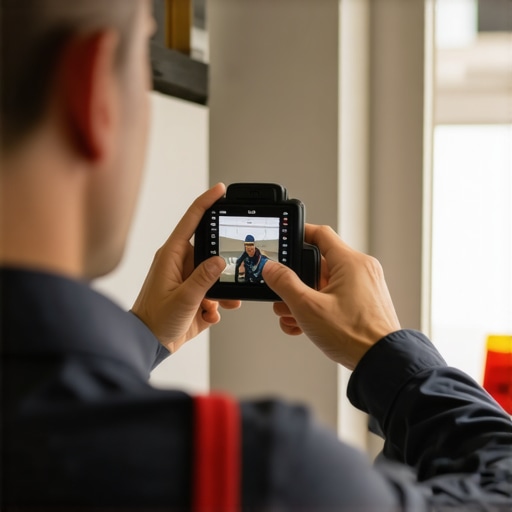
Modern maps ranking extends beyond traditional citations and reviews. Factors such as hyper-local signals, map profile optimization, and local proximity updates significantly influence visibility. For instance, leveraging location-based user interaction signals can tilt rankings favorably, especially when combined with visual proof signals like live photos and videos, which reinforce authenticity and customer trust.
Why Traditional SEO Tactics Fall Short in 2026
Conventional approaches such as keyword stuffing and backlink schemes are increasingly ineffective against sophisticated AI ranking algorithms. Market leaders now prioritize proof-heavy reviews, local content innovation, and signature signals such as verified address consistency and interaction frequency. These strategies build a resilient presence that withstands algorithmic fluctuations.
Harnessing Map Profile Optimization for Competitive Edge
Optimizing your Google My Business profile necessitates precision. Techniques include integrating location-specific keywords naturally, adding photo galleries that showcase recent jobs, and maintaining accurate business information across all directories. Implementing verification secrets ensures credibility, while proactive review generation enhances social proof.
Engaging In-Depth with the Expert Community
For practitioners eager to elevate their local maps performance, contributing insights and exchanging proven tactics via industry forums fosters innovation. Explore our comprehensive SEO guide for service contractors and stay ahead of the hyper-local marketing curve.
How Can Plumbers Strategically Outperform Big Box Competitors on Maps in 2026?
Achieving superior rankings against large chains requires leveraging hyper-local signals, personalized customer interactions, and proof-driven content. By focusing on neighborhood-specific engagement, reviews, and high-visibility visual assets, independent plumbers can secure more calls and grow their market share efficiently.
Interested in expanding your technical mastery? Check out our detailed local marketing blueprint for trades and contribute your own expert insights to shape industry standards.
Beyond Basic Optimization: Crafting a Hyper-Localized Presence That Dominates
In the fiercely competitive landscape of local SEO, especially within the plumbing industry, the key to sustained visibility lies in hyper-localization. Standard practices like keyword stuffing or generic backlinks are losing their efficacy against the backdrop of AI-powered search algorithms. Instead, top performers focus on creating a rich tapestry of localized content—think neighborhood-specific blogs, community engagement pages, and tailored service descriptions—that resonate with local search intent and user behaviors.
Integrating these localized assets with native map data, such as embedded location tags and localized schema markup, amplifies signals to search engines. For example, a plumbing business that highlights recent projects in specific districts via visual storytelling and integrates geo-specific keywords naturally can significantly boost their proximity and relevance signals. To refine this approach, consider leveraging tools that analyze your neighborhood’s digital footprint and identify underserved local phrases, ensuring your content hits the mark efficiently.
Decoding the AI Matrix: Why Authenticity Trumps Optimization in 2026
AI algorithms now prioritize genuine customer interactions and proof signals over traditional SEO elements. This shift mandates a reevaluation of your strategy: authentic reviews, real-time interaction responses, and visual proof are integral components to elevate your Google Maps ranking.
One must ask,
Are your online interactions adequately reflecting authentic customer experiences, or are they merely optimized for rankings?
Achieving this authenticity involves implementing rigorous review collection systems, responding promptly and meaningfully to customer feedback, and showcasing real jobs through high-quality photos and videos that reflect your work’s authenticity. For further insight into integrating proof-driven tactics, explore our extensive local marketing blueprint for trades in 2026.
Seize the Power of Local Signal Optimization Frameworks
Advanced SEO practitioners use systematic frameworks to ensure comprehensive local signal alignment. These frameworks include rigorous address verification, consistency across all citations, and proactive review and engagement strategies. Additionally, monitoring tools that analyze proximity shifts, interaction trends, and emerging signals enable precise adjustment of your marketing tactics. Implementing such a data-driven approach minimizes blind spots and fortifies your position against algorithm fluctuations—keeping your business top-of-mind for local prospects.
Can Strategic Content and Engagement Drive Your Map Rankings Higher Than Paid Ads?
Embracing content-driven engagement not only enhances your reputation but also compels search engines to favor your listing organically. Sharing patient success stories, behind-the-scenes videos, and neighborhood involvement initiatives humanizes your brand and cultivates trust, which search engines recognize as a sign of authority and authenticity. To unlock these tactics, leverage our step-by-step guides on local marketing tactics for 2026.
To stay informed on the latest technical nuances shaping maps ranking, consult authoritative sources like Moz’s recent analysis on local search evolution, emphasizing the growing importance of trust signals and engagement metrics in defining local prominence.
Transform Your Local Presence with Advanced Hyper-Localization Techniques
In the hyper-competitive world of local SEO, mere presence isn’t enough; you need to craft an ecosystem of hyper-local content that resonates with your community and signals authenticity to search engines. Think beyond basic city pages; develop detailed neighborhood guides, spotlight local events, and showcase community involvement through multimedia assets. Employ geo-targeted schema markup to highlight these rich snippets directly in search results, reinforcing your relevance and proximity cues. This layered approach positions your business as an intrinsic part of the local fabric, surfacing higher in maps rankings and fostering trust among potential clients.
How Do User Engagement Metrics Shape Your Maps Ranking in 2026?
Emerging data indicates that user engagement—such as click-through rates, service inquiries, and review interactions—significantly influence local search algorithms. High engagement levels suggest to search engines that your listing is both relevant and trustworthy, thereby boosting visibility. To harness this, implement proactive engagement strategies like personalized responses to reviews, call-to-action prompts in business descriptions, and timely follow-ups with clients post-service. Tracking these metrics through advanced analytics tools allows for real-time adjustments, ensuring your profile remains optimized for algorithmic preferences.
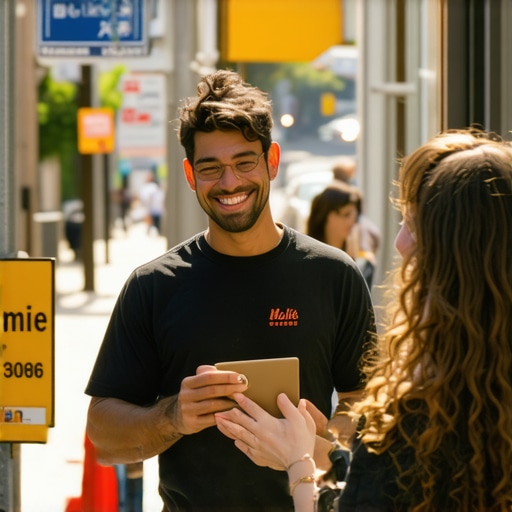
Visual content plays a pivotal role in demonstrating authenticity and attracting local attention. Incorporate high-resolution images of recent projects, team member introductions, and behind-the-scenes glimpses into daily operations. Use location-specific photo tags and alt text optimized with neighborhood keywords to strengthen local signals. Visual storytelling not only enriches user experience but also encourages sharing and backlinking, further amplifying your local authority and map rankings.
Leverage Community-Centric Content to Build Local Authority
Position your business as a community leader by creating content that addresses local concerns, celebrates neighborhood milestones, and partners with local influencers. These activities boost engagement signals and increase the likelihood of organic backlinks from local blogs and news outlets. Such community-centric content enhances your reputation, making your GMB profile a trusted local resource. Consistent participation in local events, sponsorships, or charity drives, documented through blogs and social media, compounds this effect, fostering a sense of loyalty and ongoing visibility in local search rankings.
Can Your Business Benefit from Dynamic Map Optimization Tactics?
Absolutely. Static optimization strategies can’t keep pace with the dynamic nature of local search landscapes. Implementing real-time data monitoring and adaptive tactics—such as responding to trending local topics, updating service offerings based on seasonal demand, or adjusting keywords based on emerging neighborhood language—ensures your map presence evolves with the community’s pulse. Advanced tools that analyze proximity shifts, emerging search queries, and competitor movements empower you to refine your tactics instantaneously, maintaining a competitive edge in maps rankings.
Are you ready to deepen your local SEO mastery and outshine competitors? Explore our comprehensive suite of strategies detailed in the Expert Guide to Hyper-Localized SEO in 2026 and start transforming your local digital footprint today.
}#END}#}}}#}}}#}#}}}#}#}#}#}#}#}#}#}#}#}#}#}#}#}#}#}#}#}#}#}#}#}#}#}#}#}#}#}#}#}#}#}#}#}#}#}#}#}#}#}#}#}#}#}#}#}#}#}#}#}#}#}#}#}#}#}#}#}#}#}#}#}#}#}#}#}#}#}#}#}#}#}#}#}#}#}#}#}#}#}#}#}#}#}#}#}#}#}#}#}#}#}#}#}#}#}#}#}#}#}#}#}#}#}#}#}#}#}#}#}#}#}#}#}#}#}#}#}#}#}#}#}#}#}#}#}#}#}#}#}#}#}#}#}#}#}#}#}#}#}#}#}#}#}#}#}#}#}#}#}#}#}#}#}#}#}#}#}#}#}#}#}#}#}#}#}#}#}#}#}#}#}#}#}#}#}#}#}#}#}#}#}#}#}#}#}#}#}#}#}#}#}#}#}#}#}#}#}#}#}#}#}#}#}#}#}#}#}#}#}#}#}#}#}#}#}#}#}#}#}#}#}#}#}#}#}#}#}#}#}#}#}#}#}#}#}#}#}#}#}#}#}#}#}#}#}#}#}#}#}#}#}#}#}#}#}#}#}#}#}#}#}#}#}#}#}#}#}#}#}#}#}#}#}#}#}#}#}#}#}#}#}#}#}#}#}#}#}#}#}#}#}#}#}#}#}#}#}#}#}#}#}#}#}#}#}#}#}#}#}#}#}#}#}#}#}#}#}#}#}#}#}#}#}#}#}#}#}#}#}#}#}#}#}#}#}#}#}#}#}#}#}#}#}#}#}#}#}#}#}#}#}#}#}#}#}#}#}#}#}#}#}#}#}#}#}#}#}#}#}#}#}#}#}#}#}#}#}#}#}#}#}#}#}#}#}#}#}#}#}#}#}#}#}#}#}#}#}#}#}#}#}#}#}#}#}#}#}#}#}#}#}#}#}#}#}#}#}#}#}#}#}#}#}#}#}#}#}#}#}#}#}#}#}#}#}#}#}#}#}#}#}#}#}#}#}#}#}#}#}#}#}#}#}#}#}#}#}#}#}#}#}#}#}#}#}#}#}#}#}#}#}#}#}#}#}#}#}#}#}#}#}#}#}#}#}#}#}#}#}#}#}#}#}#}#}#}#}#}#}#}#}#}#}#}#}#}#}#}#}#}#}#}#}#}#}#}#}#}#}#}#}#}#}#}#}#}#}#}#}#}#}#}#}#}#}#}#}#}#}#}#}#}#}#}#}#}#}#}#}#}#}#}#}#}#}#}#}#}#}#}#}#}#}#}#}#}#}#}#}#}#}#}#}#}#}#}#}#}#}#}#}#}#}#}#}#}#}#}#}#}#}#}#}#}#}#}#}#}#}#}#}#}#}#}#}#}#}#}#}#}#}#}#}#}#}#}#}#}#}#}#}#}#}#}#}#}#}#}#}#}#}#}#}#}#}#}#}#}#}#}#}#}#}#}#}#}#}#}#}#}#}#}#}#}#}#}#}#}#}#}#}#}#}#}#}#}#}#}#}#}#}#}#}#}#}#}#}#}#}#}#}#}#}#}#}#}#}#}#}#}#}#}#}#}#}#}#}#}#}#}#}#}#}#}#}#}#}#}#}#}#}#}#}#}#}#}#}#}#}#}#}#}#}#}#}#}#}#}#}#}#}#}#}#}#}#}#}#}#}#}#}#}#}#}#}#}#}#}#}#}#}#}#}#}#}#}#}#}#}#}#}#}#}#}#}#}#}#}#}#}#}#}#}#}#}#}#}#}#}#}#}#}#}#}#}#}#}#}#}#}#}#}#}#}#}#}#}#}#}#}#}#}#}#}#}#}#}#}#}#}#}#}#}#}#}#}#}#}#}#}#}#}#}#}#}#}#}#}#}#}#}#}#}#}#}#}#}#}#}#}#}#}#}#}#}#}#}#}#}#}#}#}#}#}#}#}#}#}#}#}#}#}#}#}#}#}#}#}#}#}#}#}#}#}#}#}#}#}#}#}#}#}#}#}#}#}#}#}#}#}#}#}#}#}#}#}#}#}#}#}#}#}#}#}#}#}#}#}#}#}#}#}#}#}#}#}#}#}#}#}#}#}#}#}#}#}#}#}#}#}#}#}#}#}#}#}#}#}#}#}#}#}#}#}#}#}#}#}#}#}#}#}#}#}#}#}#}#}#}#}#}#}#}#}#}#}#}#}#}#}#}#}#}#}#}#}#}#}#}#}#}#}#}#}#}#}#}#}#}#}#}#}#}#}#}#}#}#}#}#}#}#}#}#}#}#}#}#}#}#}#}#}#}#}#}#}#}#}#}#}#}#}#}#}#}#}#}#}#}#}#}#}#}#}#}#}#}#}#}#}#}#}#}#}#}#}#}#}#}#}#}#}#}#}#}#}#}#}#}#}#}#}#}#}#}#}#}#}#}#}#}#}#}#}#}#}#}#}#}#}#}#}#}#}#}#}#}#}#}#}#}#}#}#}#}#}#}#}#}#}#}#}#}#}#}#}#}#}#}#}#}#}#}#}#}#}#}#}#}#}#}#}#}#}#}#}#}#}#}#}#}#}#}#}#}#}#}#}#}#}#}#}#}#}#}#}#}#}#}#}#}#}#}#}#}#}#}#}#}#}#}#}#}#}#}#}#}#}#}#}#}#}#}#}#}#}#}#}#}#}#}#}#}#}#}#}#}#}#}#}#}#}#}#}#}#}#}#}#}#}#}#}#}#}#}#}#}#}#}#}#}#}#}#}#}#}#}#}#}#}#}#}#}#}#}#}#}#}#}#}#}#}#}#}#}#}#}#}#}#}#}#}#}#}#}#}#}#}#}#}#}#}#}#}#}#}#}#}#}#}#}#}#}#}#}#}#}#}#}#}#}#}#}#}#}#}#}#}#}#}#}#}#}#}#}#}#}#}#}#}#}#}#}#}#}#}#}#}#}#}#}#}#}#}#}#}#}#}#}#}#}#}#}#}#}#}#}#}#}#}#}#}#}#}#}#}#}#}#}#}#}#}#}#}#}#}#}#}#}#}#}#}#}#}#}#}#}#}#}#}#}#}#}#}#}#}#}#}#}#}#}#}#}#}#}#}#}#}#}#}#}#}#}#}#}#}#}#}#}#}#}#}#}#}#}#}#}#}#}#}#}#}#}#}#}#}#}#}#}#}#}#}#}#}#}#}#}#}#}#}#}#}#}#}#}#}#}#}#}#}#}#}#}#}#}#}#}#}#}#}#}#}#}#}#}#}#}#}#}#}#}#}#}#}#}#}#}#}#}#}#}#}#}#}#}#}#}#}#}#}#}#}#}#}#}#}#}#}#}#}#}#}#}#}#}#}#}#}#}#}#}#}#}#}#}#}#}#}#}#}#}#}#}#}#}#}#}#}#}#}#}#}#}#}#}#}#}#}#}#}#}#}#}#}#}#}#}#}#}#}#}#}#}#}#}#}#}#}#}#}#}#}#}#}#}#}#}#}#}#}#}#}#}#}#}#}#}#}#}#}#}#}#}#}#}#}#}#}#}#}#}#}#}#}#}#}#}#}#}#}#}#}#}#}#}#}#}#}#}#}#}#}#}#}#}#}#}#}#}#}#}#}#}#}#}#}#}#}#}#}#}#}#}#}#}#}#}#}#}#}#}#}#}#}#}#}#}#}#}#}#}#}#}#}#}#}#}#}#}#}#}#}#}#}#}#}#}#}#}#}#}#}#}#}#}#}#}#}#}#}#}#}#}#}#}#}#}#}#}#}#}#}#}#}#}#}#}#}#}#}#}#}#}#}#}#}#}#}#}#}#}#}#}#}#}#}#}#}#}#}#}#}#}#}#}#}#}#}#}#}#}#}#}#}#}#}#}#}#}#}#}#}#}#}#}#}#}#}#}#}#}#}#}#}#}#}#}#}#}#}#}#}#}#}#}#}#}#}#}#}#}#}#}#}#}#}#}#}#}#}#}#}#}#}#}#}#}#}#}#}#}#}#}#}#}#}#}#}#}#}#}#}#}#}#}#}#}#}#}#}#}#}#}#}#}#}#}#}#}#}#}#}#}#}#}#}#}#}#}#}#}#}#}#}#}#}#}#}#}#}#}#}#}#}#}#}#}#}#}#}#}#}#}#}#}#}#}#}#}#}#}#}#}#}#}#}#}#}#}#}#}#}#}#}#}#}#}#}#}#}#}#}#}#}#}#}#}#}#}#}#}#}#}#}#}#}#}#}#}#}#}#}#}#}#}#}#}#}#}#}#}#}#}#}#}#}#}#}#}#}#}#}#}#}#}#}#}#}#}#}#}#}#}#}#}#}#}#}#}#}#}#}#}#}#}#}#}#}#}#}#}#}#}#}#}#}#}#}#}#}#}#}#}#}#}#}#}#}#}#}#}#}#}#}#}#}#}#}#}#}#}#}#}#}#}#}#}#}#}#}#}#}#}#}#}#}#}#}#}#}#}#}#}#}#}#}#}#}#}#}#}#}#}#}#}#}#}#}#}#}#}#}#}#}#}#}#}#}#}#}#}#}#}#}#}#}#}#}#}#}#}#}#}#}#}#}#}#}#}#}#}#}#}#}#}#}#}#}#}#}#}#}#}#}#}#}#}#}#}#}#}#}#}#}#}#}#}#}#}#}#}#}#}#}#}#}#}#}#}#}#}#}#}#}#}#}#}#}#}#}#}#}#}#}#}#}#}#}#}#}#}#}#}#}#}#}#}#}#}#}#}#}#}#}#}#}#}#}#}#}#}#}#}#}#}#}#}#}#}#}#}#}#}#}#}#}#}#}#}#}#}#}#}#}#}#}#}#}#}#}#}#}#}#}#}#}#}#}#}#}#}#}#}#}#}#}#}#}#}#}#}#}#}#}#}#}#}#}#}#}#}#}#}#}#}#}#}#}#}#}#}#}#}#}#}#}#}#}#}#}#}#}#}#}#}#}#}#}#}#}#}#}#}#}#}#}#}#}#}#}#}#}#}#}#}#}#}#}#}#}#}#}#}#}#}#}#}#}#}#}#}#}#}#}#}#}#}#}#}#}#}#}#}#}#}#}#}#}#}#}#}#}#}#}#}#}#}#}#}#}#}#}#}#}#}#}#}#}#}#}#}#}#}#}#}#}#}#}#}#}#}#}#}#}#}#}#}#}#}#}#}#}#}#}#}#}#}#}#}#}#}#}#}#}#}#}#}#}#}#}#}#}#}#}#}#}#}#}#}#}#}#}#}#}#}#}#}#}#}#}#}#}#}#}#}#}#}#}#}#}#}#}#}#}#}#}#}#}#}#}#}#}#}#}#}#}#}#}#}#}#}#}#}#}#}#}#}#}#}#}#}#}#}#}#}#}#}#}#}#}#}#}#}#}#}#}#}#}#}#}#}#}#}#}#}#}#}#}#}#}#}#}#}#}#}#}#}#}#}#}#}#}#}#}#}#}#}#}#}#}#}#}#}#}#}#}#}#}#}#}#}#}#}#}#}#}#}#}#}#}#}#}#}#}#}#}#}#}#}#}#}#}#}#}#}#}#}#}#}#}#}#}#}#}#}#}#}#}#}#}#}#}#}#}#}#}#}#}#}#}#}#}#}#}#}#}#}#}#}#}#}#}#}#}#}#}#}#}#}#}#}#}#}#}#}#}#}#}#}#}#}#}#}#}#}#}#}#}#}#}#}#}#}#}#}#}#}#}#}#}#}#}#}#}#}#}#}#}#}#}#}#}#}#}#}#}#}#}#}#}#}#}#}#}#}#}#}#}#}#}#}#}#}#}#}#}#}#}#}#}#}#}#}#}#}#}#}#}#}#}#}#}#}#}#}#}#}#}#}#}#}#}#}#}#}#}#}#}#}#}#}#}#}#}#}#}#}#}#}#}#}#}#}#}#}#}#}#}#}#}#}#}#}#}#}#}#}#}#}#}#}#}#}#}#}#}#}#}#}#}#}#}#}#}#}#}#}#}#}#}#}#}#}#}#}#}#}#}#}#}#}#}#}#}#}#}#}#}#}#}#}#}#}#}#}#}#}#}#}#}#}#}#}#}#}#}#}#}#}#}#}#}#}#}#}#}#}#}#}#}#}#}#}#}#}#}#}#}#}#}#}#}#}#}#}#}#}#}#}#}#}#}#}#}#}#}#}#}#}#}#}#}#}#}#}#}#}#}#}#}#}#}#}#}#}#}#}#}#}#}#}#}#}#}#}#}#}#}#}#}#}#}#}#}#}#}#}#}#}#}#}#}#}#}#}#}#}#}#}#}#}#}#}#}#}#}#}#}#}#}#}#}#}#}#}#}#}#}#}#}#}#}#}#}#}#}#}#}#}#}#}#}#}#}#}#}#}#}#}#}#}#}#}#}#}#}#}#}#}#}#}#}#}#}#}#}#}#}#}#}#}#}#}#}#}#}#}#}#}#}#}#}#}#}#}#}#}#}#}#}#}#}#}#}#}#}#}#}#}#}#}#}#}#}#}#}#}#}#}#}#}#}#}#}#}#}#}#}#}#}#}#}#}#}#}#}#}#}#}#}#}#}#}#}#}#}#}#}#}#}#}#}#}#}#}#}#}#}#}#}#}#}#}#}#}#}#}#}#}#}#}#}#}#}#}#}#}#}#}#}#}#}#}#}#}#}#}#}#}#}#}#}#}#}#}#}#}#}#}#}#}#}#}#}#}#}#}#}#}#}#}#}#}#}#}#}#}#}#}#}#}#}#}#}#}#}#}#}#}#}#}#}#}#}#}#}#}#}#}#}#}#}#}#}#}#}#}#}#}#}#}#}#}#}#}#}#}#}#}#}#}#}#}#}#}#}#}#}#}#}#}#}#}#}#}#}#}#}#}#}#}#}#}#}#}#}#}#}#}#}#}#}#}#}#}#}#}#}#}#}#}#}#}#}#}#}#}#}#}#}#}#}#}#}#}#}#}#}#}#}#}#}#}#}#}#}#}#}#}#}#}#}#}#}#}#}#}#}#}#}#}#}#}#}#}#}#}#}#}#}#}#}#}#}#}#}#}#}#}#}#}#}#}#}#}#}#}#}#}#}#}#}#}#}#}#}#}#}#}#}#}#}#}#}#}#}#}#}#}#}#}#}#}#}#}#}#}#}#}#}#}#}#}#}#}#}#}#}#}#}#}#}#}#}#}#}#}#}#}#}#}#}#}#}#}#}#}#}#}#}#}#}#}#}#}#}#}#}#}#}#}#}#}#}#}#}#}#}#}#}#}#}#}#}#}#}#}#}#}#}#}#}#}#}#}#}#}#}#}#}#}#}#}#}#}#}#}#}#}#}#}#}#}#}#}#}#}#}#}#}#}#}#}#}#}#}#}#}#}#}#}#}#}#}#}#}#}#}#}#}#}#}#}#}#}#}#}#}#}#}#}#}#}#}#}#}#}#}#}#}#}#}#}#}#}#}#}#}#}#}#}#}#}#}#}#}#}#}#}#}#}#}#}#}#}#}#}#}#}#}#}#}#}#}#}#}#}#}#}#}#}#}#}#}#}#}#}#}#}#}#}#}#}#}#}#}#}#}#}#}#}#}#}#}#}#}#}#}#}#}#}#}#}#}#}#}#}#}#}#}#}#}#}#}#}#}#}#}#}#}#}#}#}#}#}#}#}#}#}#}#}#}#}#}#}#}#}#}#}#}#}#}#}#}#}#}#}#}#}#}#}#}#}#}#}#}#}#}#}#}#}#}#}#}#}#}#}#}#}#}#}#}#}#}#}#}#}#}#}#}#}#}#}#}#}#}#}#}#}#}#}#}#}#}#}#}#}#}#}#}#}#}#}#}#}#}#}#}#}#}#}#}#}#}#}#}#}#}#}#}#}#}#}#}#}#}#}#}#}#}#}#}#}#}#}#}#}#}#}#}#}#}#}#}#}#}#}#}#}#}#}#}#}#}#}#}#}#}#}#}#}#}#}#}#}#}#}#}#}#}#}#}#}#}#}#}#}#}#}#}#}#}#}#}#}#}#}#}#}#}#}#}#}#}#}#}#}#}#}#}#}#}#}#}#}#}#}#}#}#}#}#}#}#}#}#}#}#}#}#}#}#}#}#}#}#}#}#}#}#}#}#}#}#}#}#}#}#}#}#}#}#}#}#}#}#}#}#}#}#}#}#}#}#}#}#}#}#}#}#}#}#}#}#}#}#}#}#}#}#}#}#}#}#}#}#}#}#}#}#}#}#}#}#}#}#}#}#}#}#}#}#}#}#}#}#}#}#}#}#}#}#}#}#}#}#}#}#}#}#}#}#}#}#}#}#}#}#}#}#}#}#}#}#}#}#}#}#}#}#}#}#}#}#}#}#}#}#}#}#}#}#}#}#}#}#}#}#}#}#}#}#}#}#}#}#}#}#}#}#}#}#}#}#}#}#}#}#}#}#}#}#}#}#}#}#}#}#}#}#}#}#}#}#}#}#}#}#}#}#}#}#}#}#}#}#}#}#}#}#}#}#}#}#}#}#}#}#}#}#}#}#}#}#}#}#}#}#}#}#}#}#}#}#}#}#}#}#}#}#}#}#}#}#}#}#}#}#}#}#}#}#}#}#}#}#}#}#}#}#}#}#}#}#}#}#}#}#}#}#}#}#}#}#}#}#}#}#}#}#}#}#}#}#}#}#}#}#}#}#}#}#}#}#}#}#}#}#}#}#}#}#}#}#}#}#}#}#}#}#}#}#}#}#}#}#}#}#}#}#}#}#}#}#}#}#}#}#}#}#}#}#}#}#}#}#}#}#}#}#}#}#}#}#}#}#}#}#}#}#}#}#}#}#}#}#}#}#}#}#}#}#}#}#}#}#}#}#}#}#}#}#}#}#}#}#}#}#}#}#}#}#}#}#}#}#}#}#}#}#}#}#}#}#}#}#}#}#}#}#}#}#}#}#}#}#}#}#}#}#}#}#}#}#}#}#}#}#}#}#}#}#}#}#}#}#}#}#}#}#}#}#}#}#}#}#}#}#}#}#}#}#}#}#}#}#}#}#}#}#}#}#}#}#}#}#}#}#}#}#}#}#}#}#}#}#}#}#}#}#}#}#}#}#}#}#}#}#}#}#}#}#}#}#}#}#}#}#}#}#}#}#}#}#}#}#}#}#}#}#}#}#}#}#}#}#}#}#}#}#}#}#}#}#}#}#}#}#}#}#}#}#}#}#}#}#}#}#}#}#}#}#}#}#}#}#}#}#}#}#}#}#}#}#}#}#}#}#}#}#}#}#}#}#}#}#}#}#}#}#}#}#}#}#}#}#}#}#}#}#}#}#}#}#}#}#}#}#}#}#}#}#}#}#}#}#}#}#}#}#}#}#}#}#}#}#}#}#}#}#}#}#}#}#}#}#}#}#}#}#}#}#}#}#}#}#}#}#}#}#}#}#}#}#}#}#}#}#}#}#}#}#}#}#}#}#}#}#}#}#}#}#}#}#}#}#}#}#}#}#}#}#}#}#}#}#}#}#}#}#}#}#}#}#}#}#}#}#}#}#}#}#}#}#}#}#}#}#}#}#}#}#}#}#}#}#}#}#}#}#}#}#}#}#}#}#}#}#}#}#}#}#}#}#}#}#}#}#}#}#}#}#}#}#}#}#}#}#}#}#}#}#}#}#}#}#}#}#}#}#}#}#}#}#}#}#}#}#}#}#}#}#}#}#}#}#}#}#}#}#}#}#}#}#}#}#}#}#}#}#}#}#}#}#}#}#}#}#}#}#}#}#}#}#}#}#}#}#}#}#}#}#}#}#}#}#}#}#}#}#}#}#}#}#}#}#}#}#}#}#}#}#}#}#}#}#}#}#}#}#}#}#}#}#}#}#}#}#}#}#}#}#}#}#}#}#}#}#}#}#}#}#}#}#}#}#}#}#}#}#}#}#}#}#}#}#}#}#}#}#}#}#}#}#}#}#}#}#}#}#}#}#}#}#}#}#}#}#}#}#}#}#}#}`,
Unlocking the Potential of Neighborhood Data to Skyrocket Map Rankings
In the increasingly competitive landscape of local SEO, the mastery of hyper-local data becomes indispensable. Beyond basic proximity and keyword relevance, leveraging granular neighborhood insights—such as local service request patterns, community event participation, and regional language nuances—can substantially influence your Google Maps visibility. Harnessing advanced geospatial analytics enables responsible businesses to identify underserved micro-segments within their markets, tailoring content and services precisely to meet these localized needs, thereby fostering authentic engagement and climbing search rankings.
How Does Micro-Moments Optimization Reshape Local Map Strategies?
Micro-moments, defined as instances where consumers turn to their devices for immediate needs, have become pivotal in local search algorithms. Recognizing these ephemeral yet intent-rich moments—like ‘I need a plumber nearby now’—and optimizing your online presence to address them involves dynamic location-aware content, real-time review solicitation, and prompt response protocols. Incorporating structured data tied to these micro-moments ensures your business appears prominently during critical decision windows. An innovative approach involves deploying AI-driven chatbots capable of detecting micro-moments and guiding prospects seamlessly from search to service booking.
What advanced techniques empower contractors to dominate locally through schema markup?
Implementing richly detailed schema markup tailored for local SEO—such as LocalBusiness schema with extensive attributes like service type, operating hours, and embedded geo-coordinates—significantly enhances your map prominence. Innovations like FAQ schema addressing neighborhood-specific concerns, along with Service schema highlighting specialized plumbing offerings, create highly contextual snippets that search engines favor. These semantic signals act as trust proxies, aligning your digital footprint with local intent and boosting your business’s visibility in map packs. Refer to authoritative schema.org documentation for granular best practices tailored for home service providers.
Visualize your local SEO strategy: an infographic illustrating layered schema markup, neighborhood sentiment analysis, and micro-moment detection tools can demystify complex signal integration processes, providing actionable insights for your team.
Empowering Your Local Presence with Geo-Social Engagement
Geo-social signals—such as local check-ins, community hashtag usage, and regional social media interactions—serve as powerful indicators of local relevance. Developing strategies to actively encourage customers to share their experiences on platforms like Instagram, TikTok, and Nextdoor not only amplifies brand recognition but also supplies search engines with fresh, user-generated location signals. Embedding location tags, using region-specific hashtags, and participating in local digital communities foster an authentic presence that search algorithms interpret as authoritative, thus bolstering map rankings.
Why Authentic Customer Journeys Outperform Generic Content in Map Rankings
In the era of AI-driven ranking, personalized and proof-rich customer journeys hold trump cards over traditional keyword-centric tactics. From detailed project case studies with geotagged images to video testimonials narrated by local clients, these assets create a compelling narrative of your local impact. Advanced tracking of engagement metrics, combined with artificial intelligence to analyze sentiment and intent, enable ongoing optimization of your content strategy. This authentic storytelling not only boosts engagement but signals high trust and relevance to search engines, elevating your position in map listings.
How Can You Integrate Multi-Channel Data for a Holistic Local SEO Strategy?
A comprehensive local SEO approach harmonizes data from various touchpoints—website analytics, CRM systems, social media insights, and Google My Business metrics. By synthesizing these datasets through sophisticated dashboards, businesses can identify patterns in customer behavior, identify content gaps, and tailor outreach efforts accordingly. For instance, if regional search trends indicate growing interest in eco-friendly plumbing solutions, aligning content and review management around this theme across channels can fortify local relevance. Harnessing AI-powered data integration tools streamlines this process, transforming raw signals into strategic action plans that keep your plumbing service top-ranked and top-of-mind.
Ready to position your plumbing business as the neighborhood’s go-to resource? Dive deeper into our expert-driven strategies and tools in the advanced local SEO masterclass optimized for 2026. Join us now and transform your maps visibility into a local powerhouse.
In the rapidly evolving landscape of local SEO, the highest peaks are often hidden until you understand the subtle signals that search engines prioritize. Sophisticated industry professionals now recognize that a multifaceted approach—integrating hyper-local nuances, advanced schema tactics, and community engagement—transcends conventional optimization. Strategic mastery of these unseen layers can propel plumbers beyond competitors and into the top echelons of Google Maps rankings, unlocking a flood of high-quality local calls.
How Can Proprietary Data Unlock Competitive Advantages?
Access to unique neighborhood insights—such as local service demand curves or regional sentiment—can inform hyper-targeted content strategies, making your business an unavoidable choice at the moment of need. Leveraging proprietary geospatial analytics enables contractors to identify underserved micro-communities, craft localized campaigns, and align their online presence perfectly with neighborhood expectations, leading to higher relevance and trust.
What Role Do Voice Search and Micro-Moments Play?
Consumers increasingly turn to voice commands and quick queries for urgent services, emphasizing the importance of capturing micro-moments. Optimizing for these requires setting up rich, geo-relevant FAQs, implementing real-time review prompts, and deploying AI-driven chatbots that respond swiftly to neighborhood-specific inquiries. Mastering micro-moment signals ensures your profile appears precisely when local prospects need you most.
Can Schema Markup and Visual Content Really Win in Local Rankings?
Absolutely. Detailed schema markup, such as Service, LocalBusiness, and FAQ schemas tailored to regional specifics, enhance search snippets’ visibility and relevance. Complementing this with high-quality, geo-tagged images and videos showcasing recent projects for neighborhoods or districts signals authenticity and engagement—elements now vital for ranking algorithms that favor proof and proximity signals over generic content.
How Does Authentic Community Engagement Reinforce Map Authority?
Active participation in local events, sponsorships, or neighborhood groups, documented through authentic multimedia content, builds social proof and enhanced signals to search engines. Encouraging clients to share their experiences using local hashtags and check-ins amplifies your neighborhood relevance, making your listing a trusted local resource that search engines prefer to rank highly.
Numbered List of Expert Resources
- Moz’s In-Depth Local Search Analysis – Offers comprehensive insights into algorithm updates and trust signals shaping 2026 rankings, emphasizing community and engagement metrics.
- Schema.org Google My Business Markup – The definitive source for implementing detailed, region-specific schema to enhance visibility and relevance.
- Neil Patel’s Local SEO Strategies – Practical advice on leveraging micro-moments, schema, and community signals for local dominance.
- BrightLocal’s Local Search Predictions – Industry forecasts focusing on advanced tactics like geospatial analytics and voice search optimization.
- Search Engine Land on Local Algorithm Changes – Critical updates and best practices revealing what search engines prioritize in 2026.
The Power of Expert Insight for Lasting Impact
The true mastery in maps ranking arises from a deep understanding of evolving signals and a willingness to experiment with sophisticated, less obvious tactics. Plumbers who embrace hyper-local data, micro-moments, and authentic community presence position themselves not just as service providers but as indispensable neighborhood partners. Dive into these expert resources, refine your strategy continuously, and cement your reputation as the go-to local plumber in the digital age. Want to share your insights or explore tailored strategies? Connect with our team today and take your local presence to new heights.


![Fix Your Plumber Maps Rank: 3 Video Verification Secrets [2026]](https://seoforservicebusinesses.com/wp-content/uploads/2026/04/Fix-Your-Plumber-Maps-Rank-3-Video-Verification-Secrets-2026-1.jpeg)
Lily Morgan
This article hits the nail on the head about the importance of proof-based signals and hyper-local content in outranking competitors through Google Maps. I’ve seen firsthand how showcasing recent projects with detailed, neighborhood-specific stories and real customer reviews can significantly boost local rankings over time. Engagement via photos and videos creates a sense of authenticity that algorithms are increasingly rewarding, especially in the context of AI prioritizing user trust signals.
One challenge I’ve faced is maintaining fresh and relevant content, especially in highly competitive areas. Do others have effective strategies for continuously generating neighborhood-centric content that resonates with local search intent? Also, how do you balance quality and quantity when it comes to reviews and multimedia assets? Any tools or workflows that have helped streamline this process would be fantastic to hear about.