
Unlocking the Hidden Power of Local Marketing for Trades in a Competitive Digital Landscape
As the digital ecosystem evolves, tradespeople such as plumbers, electricians, and contractors must leverage sophisticated local marketing techniques to secure prime positions in maps ranking. Basic SEO no longer suffices; instead, nuanced understanding of local signals and consumer behavior becomes paramount. This article explores advanced, SEO-driven strategies that empower service businesses to outmaneuver competitors and dominate their local markets in 2025.
Deciphering the Complex Web of Maps Ranking Factors for Home Services
The intricacies of local SEO for contractors involve a multi-layered matrix of ranking signals, including proximity, review quality, and profile verification. Notably, Google’s recent algorithms emphasize trust signals—such as accurate NAP citations, verified service-area data, and real-time customer engagement—over traditional keyword stuffing. To truly excel, businesses must harness semantic SEO to optimize for user intent, incorporating LSIs like “service area optimization” and “local lead conversion” into their content strategies.
How can service providers systematically respond to negative reviews to enhance their local authority and ranking?
Engaging proactively with negative feedback demonstrates transparency and expertise, which Google interprets as high-quality signals. Crafting detailed, empathetic responses to reviews that address customer concerns and showcase service commitments not only boost credibility but also influence local pack visibility. For instance, referencing authoritative sources such as Moz’s Local Search Ranking Factors can guide your review management approach.
Technical Precision: Ensuring Your Maps Profile Passes the 2025 Search Tests
Technical accuracy of your Google My Business (GMB) profile is critical. Recent updates prioritize hyper-local signals—like proof signals of service legitimacy. Embedding authentic, geo-tagged photos, verifying your address with 3D storefront verification, and maintaining an up-to-date service area are essential. These tactics help prevent profile shadows or ghosting, which can drastically reduce visibility.
Optimizing Visual and Engagement Signals for Strategic Edge
Beyond textual optimization, visual content such as real-time job photos and client testimonials have emerged as powerful trust builders. Google’s inclusion of visual proof as ranking signals—in particular, recent proof signals—means that active photo updates directly correlate with higher rankings. Harnessing these signals can lead to a tangible increase in local inquiries.
What are the best practices for integrating real-time project photos into your local SEO strategy without risking profile penalties?
Consistent, geotagged imagery that accurately depicts ongoing work reduces profile shadowing risks and enhances trust. Digital signatures, timestamped updates, and client consent amplify authenticity. Furthermore, adhering to Google’s policies on photo authenticity and avoiding spammy tactics are crucial for sustainable rankings, as detailed in Google’s privacy guidelines.
For those committed to pushing the boundaries of local SEO, exploring comprehensive trade marketing strategies provides a roadmap to strategic dominance. Consider engaging with seasoned digital marketers or contributing insights to niche forums to refine your approach in this highly competitive arena.
Harnessing Hyper-Local Content for Unmatched Visibility
One often overlooked tactic is the strategic deployment of hyper-local content that resonates directly with your community’s unique needs. Creating blog posts, FAQs, and guides tailored to neighborhood-specific concerns not only improves relevance but also signals to Google that your business is integral to the local fabric. Incorporating local landmarks, events, and community stories in your content can significantly boost your organic presence, as emphasized by Moz’s Local Search Ranking Factors (Moz).
Is Your Schema Markup Doing Its Job in 2025’s SEO Landscape?
While many service providers implement basic schema markup, advanced structured data integration can unlock new opportunities for visibility. Implementing schema types like Service, LocalBusiness, and FAQPage, coupled with rich snippets, provides Google with detailed insights into your operations. Moreover, leveraging event schema to promote local workshops or free consultation days can attract targeted traffic and establish authority within your niche. An in-depth understanding of schema’s evolving role is documented by Search Engine Journal (SEJ).
How can service contractors use AI-driven tools to refine their local SEO strategies and stay ahead of algorithm updates?
AI tools analyzing real-time data trends, competitor strategies, and customer behavior can inform proactive adjustments to your SEO approach. Platforms like BrightLocal or SEMrush’s Local SEO Toolkit utilize machine learning algorithms to identify emerging keywords, review patterns, and local ranking fluctuations. Integrating these insights ensures your strategies are dynamic, personalized, and resilient against algorithm shifts. For example, automating review request campaigns post-service visit can amplify user-generated content, enhancing trust signals.
Interested in mastering these techniques? Dive into the comprehensive strategies outlined in Mastering SEO for Contractors and transform your local presence into a lead-generating powerhouse. Sharing your experiences or asking questions helps foster a collective knowledge bank—your insights could help fellow local service providers adapt to the rapidly evolving SEO landscape.
,
Harnessing Hyper-Localized Content to Cement Your Market Position
In the race for top local rankings, bespoke hyper-local content creation transcends generic strategies. Imagine crafting neighborhood-specific guides or highlighting local events that resonate intrinsically with your community. These efforts do more than boost relevance—they embed your brand into the fabric of your service area, fostering community trust and increasing organic reach. To maximize impact, integrate keywords naturally, incorporate land-mark references, and share stories that showcase your active engagement within the locale. This tailored approach signals to Google that your business is an essential, trusted part of the neighborhood ecosystem, which is a critical ranking factor in 2025’s AI-augmented search landscape.
< >
>
Leveraging Dynamic Schema Markup for Enhanced Search Visibility
While schema markup remains a cornerstone of technical SEO, the next frontier involves implementing dynamic, context-aware structured data. By leveraging JSON-LD scripts that adapt based on user behavior or seasonal trends, service providers can present highly relevant snippets in search results. For instance, showcasing upcoming promotions, seasonal services, or local event participation empowers your listings with rich, real-time information. This proactive schema strategy not only improves click-through rates but also helps search engines interpret nuanced aspects of your offerings, aligning with evolving Google algorithms that favor granular, authoritative data sources.
What role does AI-driven content personalization play in local SEO for trade professionals?
Artificial intelligence enables hyper-personalized user experiences, tailoring website content, offers, and messaging based on individual visitor data. For example, AI algorithms can analyze visitor location, device type, and browsing behavior to dynamically adjust landing pages, integrate localized testimonials, or recommend specific services tailored to user intent. This level of customization boosts engagement metrics—such as time on page and conversion rates—which search engines interpret as signals of relevance and authority. Advanced AI tools like HubSpot’s Content Strategy or Crayon can automate these insights, ensuring your SEO efforts remain agile amidst shifting user expectations and algorithm updates.
To delve deeper into these cutting-edge strategies, explore our detailed guide on integrating AI and schema for local SEO dominance, and join the conversation in our dedicated community forum where industry experts share insights on maintaining a competitive edge in 2025 and beyond.
Dominate Your Neighborhood with Data-Driven Service Area Expansion Techniques
In the fiercely competitive arena of local home services, expanding your service area judiciously can unlock untapped market segments. Utilizing geospatial analytics and customer footprint data allows contractors to identify underserved zones with high conversion potential. Employing tools like advanced heat maps and demographic overlays, businesses can craft targeted campaigns that extend beyond traditional boundaries, ensuring authentic coverage that aligns with your capacity and market demand.
Harness Micro-Moments and Voice Search for Next-Level Customer Capture
As voice-activated queries become ubiquitous, optimizing for ‘micro-moments’—those intent-rich, immediate needs—becomes paramount. Focusing on long-tail, conversational keywords and featured snippets can position your business as the go-to local expert. By structuring content around user intent, including question-based snippets and quick-resolve guides, service providers stay ahead in the evolving voice search landscape, effectively capturing customers actively seeking immediate solutions.
How can local service businesses implement hyper-targeted schema markup to exhibit expertise in specific neighborhoods?
Embedding neighborhood-specific schema elements—such as localized Service schemas or Geo-coordinates—enhances Google’s understanding of your geographic focus. Incorporating FAQ schemas featuring location-specific questions, alongside local landing pages finished with structured data, increases your chances of appearing in rich snippets tailored to community searches. Ensuring schema accuracy and consistency across your digital footprint reinforces your authority and relevancy within distinct markets. For an authoritative deep-dive, consult Google’s Developer documentation on localized structured data best practices.
The Secret Power of Customer Pathway Mapping for Enhanced Conversion
Beyond rankings, understanding the customer journey at granular levels can revolutionize your marketing approach. Mapping touchpoints—from initial search to post-service review—reveals friction points and engagement gaps that, when optimized, elevate your local reputation and conversion rates. Integrate data from CRM systems, call tracking, and online reviews to build a comprehensive picture, enabling precise retargeting and personalized outreach that turns prospects into loyal clients.
Utilize AI to Refine Hyper-Local Content Strategy with Surgical Precision
AI-powered content analytics and generation tools now allow for hyper-personalized, neighborhood-centric blog posts and service pages. By analyzing local search trends, community interests, and competitor gaps, contractors can craft compelling content that resonates on a personal level. Automated sentiment analysis of online reviews can inform tone and topic adjustments, ensuring your messaging aligns with community values and needs, further enhancing local engagement and search relevance.
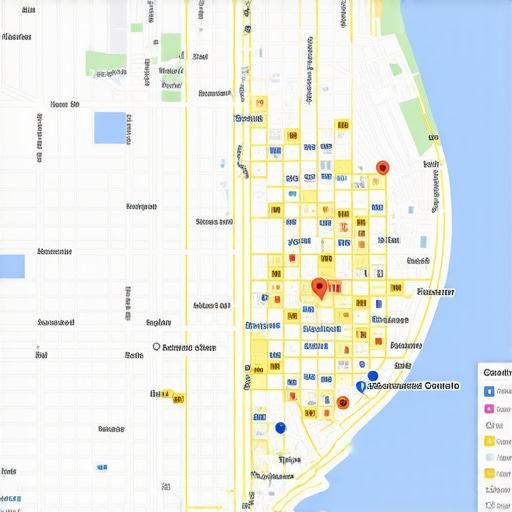
Visualize your expanded service reach and customer journey map through a comprehensive geospatial analytics dashboard, illustrating strategic growth opportunities and touchpoint optimizations.
Integrating Advanced Schema for Multi-Format Visibility Amplification
Employing multi-format schema markup—combining LocalBusiness, Product, and Offer schemas with dynamic event data—ensures comprehensive representation in diverse rich snippets. Embedding real-time, context-aware data like seasonal promotions or upcoming community events in structured markup positions your listings as authoritative, timely sources. This layered approach amplifies visibility across search features, including local packs, knowledge panels, and video snippets, reinforcing your dominance in the local SERP ecosystem.
What strategic benefits does leveraging AI-driven content personalization and schema automation bring to local service providers in 2025?
AI-driven personalization enables hyper-targeted communication, increasing engagement and conversion rates, while automated schema updates ensure your listings adapt swiftly to trends and seasonal shifts. Together, these technologies foster a resilient, competitive edge—complex yet essential components to remain visible amid Google’s evolving algorithms. For expert insights and tools to master this integration, explore our comprehensive guide on AI and schema in local SEO. Engage with industry peers and share your success stories—your innovations could set new standards for local marketing excellence.
Expert Strategies That Seize the Spotlight
Appearing at the top of local map packs requires more than basic SEO; it demands a nuanced grasp of evolving algorithms and consumer behaviors. Prioritize authentic proof signals like real-time project photos and verified business data, which are now pivotal in ranking success. Leveraging AI tools to personalize content and optimize schema markup can make your profiles stand out amid fierce competition. Staying ahead means continually refining your approach based on data-driven insights and community engagement.
How can deep customer journey mapping unlock new conversion pathways for local service providers?
By analyzing every touchpoint—search, reviews, website interaction—you discover friction points and opportunities for personalized engagement. Integrating CRM data with local analytics enables hyper-targeted outreach, boosting trust and loyalty, which in turn elevates your map rankings in 2025’s AI-augmented search ecosystem.
Resources to Deepen Your Local SEO Mastery
- Google’s My Business Help Center: Essential updates and best practices for profile optimization and verification, tailored for local service providers.
- Moz Local Search Ranking Factors: An authoritative source dissecting key signals and how to influence them.
- SEMrush Local SEO Toolkit: Advanced tools and insights to monitor, audit, and enhance your local presence with precision.
- Google’s Schema Markup Documentation: Guidance to implement structured data that amplifies your profile visibility.
- BrightLocal Blog: Continual industry insights and case studies showcasing successful local SEO campaigns in trades.
Elevate Your Strategy with Cutting-Edge Perspectives
In the relentless quest for local prominence, the fusion of authentic proof signals and AI-driven personalization emerges as a decisive advantage. Recognizing that a well-optimized map profile isn’t static but constantly evolving is crucial. Embracing these advanced, research-backed tactics ensures your trade business not only survives but thrives in the hyper-competitive 2025 environment. Are you ready to transform your local SEO approach? Engage with us, share your insights, or explore more innovative strategies at our comprehensive blueprint for dominant local visibility.