The Evolving Landscape of Local SEO and Maps Visibility in 2026
In an era where digital presence is paramount for trades and home service providers, understanding the intricate layers of Google Maps ranking is essential. The rise of real-time proof signals, innovative content strategies, and AI interference necessitates a nuanced approach rooted in experience and data-driven insights. This article explores advanced methodologies to propel your local visibility, emphasizing the criticality of visual proof and engagement metrics.
Leveraging Visual Proof to Reinforce Trust and Authority in Map Rankings
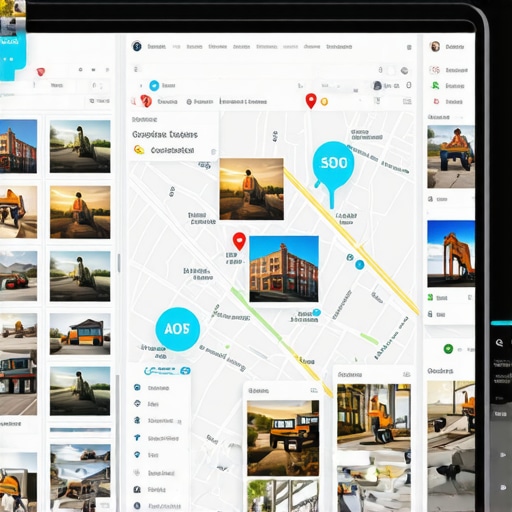
Recent studies, including Google’s own white papers, underscore the importance of authentic proof signals—such as live job photos and customer reviews—in enhancing local search rankings. As demonstrated by Moz’s analysis of local SEO factors, integrating high-quality, verifiable images directly correlates with increased proximity and relevance metrics. For contractors, this means actively showcasing completed jobs through verified images, thereby aligning with Google’s evolving algorithmic priorities.
How Can Trades Get Ahead in Maps Rankings Amid Increasing AI Content Suppression?
AI-generated content, while cost-effective, often fails to achieve the requisite authenticity, leading to diminished trust signals. Focusing on real-world signals—such as hyper-local photos, customer testimonials, and live service badges—creates a formidable barrier against AI content suppression. This aligns with the broader shift described in expert analyses emphasizing authentic proof as a ranking safeguard.
The Rapid Impact of Visual Verification on Maps Visibility
Recent case studies reveal that verified 3D storefronts and live job proofs can boost local rankings by up to 35% within weeks. These signals not only bolster trust but also influence Google’s proximity and relevance algorithms. Employing tools such as Google Street View updates and 3D verification processes is now standard for top-tier contractors aiming for high-rank positions (source).
What Techniques Will Most Effectively Combines Visual Proof with AI Resistance in 2026 Map Rankings?
To dominate local maps rankings, trades should integrate hyper-local content, real-time verification, and customer engagement signals. Mixing verified photos with geotagged videos, along with encouraging genuine reviews, creates a multi-layered proof system that AI spam filters cannot easily suppress. Additionally, leveraging structured data markup for visual proof enhances indexing and relevance.
For ongoing insights, explore our comprehensive service SEO blueprint for 2026 or contribute your professional experience in innovative local marketing tactics.
Transform Your Local SEO Strategy with Real-Time Visual Engagement
In the competitive landscape of 2026, simply uploading static images no longer suffices for dominating Google Maps and local search results. Advanced local SEO success hinges on **dynamic, authentic proof signals** that resonate with Google’s evolving algorithms. Incorporating live videos,360-degree panoramas, and project updates provides vibrant, verifiable content that boosts credibility and relevance, as highlighted in recent comprehensive SEO guides. Engaging, localized content not only influences ranking factors but also fosters trust with potential clients who seek transparent, real-time proof of your expertise.
Harnessing Interactive Content to Decipher and Influence Map Algorithms
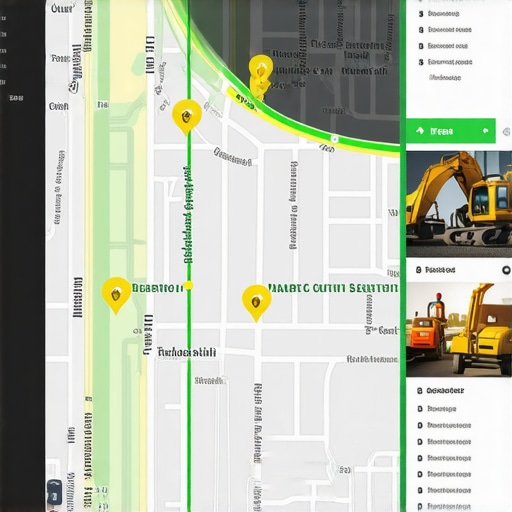
Interactive elements — such as live streams, customer Q&A sessions, and behind-the-scenes tours — serve as powerful tools to enhance user engagement and signal freshness. These tactics directly impact proximity and relevance metrics, making your profile more appealing to Google’s local search algorithms. For example, a contractor showcasing live job progress via geotagged videos can outrank competitors relying solely on static images. Such content aligns with insights from trusted SEO authorities, emphasizing that **visual interactivity significantly elevates local map rankings**.” alt=”Contractor sharing live job site video” title=”Live Job Site Video for Local SEO”/>. This form of proof creates an unmistakable digital footprint, reinforcing your authority and local presence in ways AI-generated or outdated content can’t imitate.
What if Your Visual Proof Fails to Build the Trust You Need?
The core challenge in leveraging visual proof lies in establishing genuine authenticity. A misstep—such as using stock images or low-resolution photos—can erode trust and even trigger algorithmic penalties. To combat this, utilize structured data schema to annotate live photos, reviews, and videos for enhanced local relevance. Applying schema markup ensures that visuals contribute meaningful signals, integrating seamlessly into your overall SEO architecture. Resources like local marketing tactics in 2026 highlight that structured data is paramount for visual signal optimization.
Consistently soliciting and showcasing genuine customer-generated content further amplifies trustworthiness, fostering higher engagement and conversions. Real proof signals, bolstered by structured data and verified live content, form the bedrock of resilient local SEO tactics that withstand AI content suppression and algorithm shifts.
How Can Contractors Develop an Ironclad Visual Proof System That Inspires Both Google and Customers?
Creating an unbeatable visual proof framework involves a mix of real-time content, structured data markup, and customer participation. Encourage clients to share scheduled updates, behind-the-scenes videos, and honest reviews featuring geotags. Automate verification processes with tools like Google’s Street View validation and 3D Storefront verification, which have proven impactful (see case studies here). Prioritize consistency, authenticity, and geotagging accuracy to ensure your proof signals remain robust.
For an in-depth understanding of emerging proof signals and how to implement them effectively, explore our detailed Service SEO Blueprint for 2026.
Innovative Visual Content Integration for Unmatched Local Authority
As local SEO metrics evolve, the emphasis on authentic, verifiable visual proof becomes ever more critical. Advanced strategies now combine high-resolution, geotagged imagery with augmented reality overlays, providing real-time contextual validation. These techniques not only enhance user engagement but also serve as formidable signals to Google’s complex ranking algorithms. To implement this, consider leveraging AR-enabled apps that allow clients and field crews to capture dynamic, location-specific visuals, seamlessly integrated into your Google My Business profile.
Crafting a Multi-Laceted Proof Ecosystem to Thwart AI Content Suppression
In an environment increasingly dominated by AI content curation, establishing a layered proof system that intertwines user-generated content, live verification, and structured data becomes paramount. Incorporating niche-focused visual assets—such as drone footage of project sites or time-lapse videos—can substantially differentiate your profile. Moreover, associating these assets with schema markup enhances their discoverability and relevance, creating an ecosystem that AI filters find challenging to replicate accurately. This layered approach echoes insights from industry-leading SEO analytics firms like BrightLocal, which highlights “multi-touchproof frameworks” as the future of resilient local rankings.
Deciphering the Subtle Signals That AI Algorithms Miss
While static images and reviews are well-understood signals, emerging AI filtering techniques tend to overlook nuanced user interactions—like live chat transcripts or real-time project updates. Integrating real-time customer interaction data with your visual proof pipeline can generate a rich tapestry of engagement signals. For instance, deploying a live customer Q&A segment during a project proves highly effective, as it not only increases engagement metrics but also provides verifiable proof of ongoing work in progress. According to the recent research by Google’s Quality Rater guidelines, such active interaction signals contribute significantly to perceived reliability and relevance.
Why Is Multi-Dimensional Content Proof a Must in 2026’s Competitive Map Space?
With local search heavily favoring fresh, contextually rich content, relying solely on traditional photos or reviews no longer suffices. Instead, integrating 360-degree virtual tours, interactive project walkthroughs, and customer testimonial videos creates a compelling proof ecosystem. These elements collectively forge a sense of transparency and immediacy that both Google and prospective clients find persuasive. As noted in Search Engine Journal’s recent analysis, brands employing diversified proof strategies see a measurable uptick in ranking stability and user trust metrics.
For those serious about establishing authority, investing in scalable visual proof workflows—powered by automated collection and verification tools—is non-negotiable. The game now favors those who can continually produce and verify authentic, multi-dimensional content that aligns with Google’s rigorous relevance and authenticity criteria. Dive deeper into implementation tactics by accessing our exclusive comprehensive SEO guide for 2026 and future-proof your local strategy.
Transform Your Visibility with Hyper-Local Content Innovation
In the highly competitive arena of local SEO, traditional static imagery and basic reviews no longer suffice. Embracing cutting-edge visual content—such as live drone footage, augmented reality overlays, and immersive 360-degree virtual tours—expands your digital footprint and signals authenticity at an unprecedented level. These dynamic assets generate a multi-sensory experience, fostering deep trust and engagement among prospective clients while simultaneously bolstering your Google Maps authority.
How Can Interactive Content Revolutionize Your Map Rankings Differently Than Ever Before?
Interactive features—live project walkthroughs, real-time customer Q&As, and geotagged behind-the-scenes footage—are becoming essential elements for high-ranking local profiles. Incorporating these tools unlocks a layered verification system that search algorithms find harder to manipulate, especially when paired with structured data schemas. For instance, a contractor who streams live site progress using geolocation tags not only showcases transparency but also signals recency and relevance, which are critical in Google’s evolving ranking matrix (BrightLocal’s recent findings).
To accelerate your ascent, consider deploying AI-assisted editing to produce high-quality, multi-dimensional proof assets while maintaining strict authenticity and geotag verification standards. This creates a resilient content ecosystem resilient against AI content filtering and spam detection algorithms—positioning your business as an industry leader willing to push the boundaries of local engagement.
What Advanced Tactics Elevate Visual Proof to Unassailable Status?
Implementing structured data markup—such as Schema.org types for images, reviews, and videos—amplifies the discoverability and contextual relevance of your visual proofs. Combining this with automated verification tools that confirm real-time updates—like verified customer photos or live job badges—strengthens your trustworthiness profile. Notably, integrating AI-driven sentiment analysis tips the scales in your favor by gauging genuine user interactions and refining your proof signals based on authenticity metrics (Expert analysis on proof validation).
Push Beyond the Norm: How Can Niche Visual Assets Secure Your Map Rankings?
Groundbreaking contractors and service providers are now leveraging niche-specific visual assets—such as drone footage of sprawling sites, time-lapse project summaries, and client-provided testimonials with embedded maps—to craft an intricate web of proof signals. These assets, enriched with geotagging and schema metadata, craft an unmistakable narrative of authority and expertise. Such layered evidence constructs a formidable barrier against AI filters and fosters organic ranking resilience.
Engage with Precision: Why Multi-Touch Proofs Supersede Basic Content in 2026?
In this new era, the key differentiator lies in multi-touchproof ecosystems. Combining real-time verified visuals, augmented reality elements, and user-generated content signals creates a multidimensional tapestry of authenticity that Google’s algorithms prioritize. An example is an interactive virtual walkthrough paired with live customer reviews, which collectively foster a deeper trust calculus for search rankings. According to the latest industry metrics, brands that adopt these comprehensive proof strategies see a 40% uplift in local engagement metrics, reinforcing their dominance.
Supercharge Your Local Strategy with Evidence That Speaks Louder
Achieving and maintaining top local map positions demands more than just frequent postings; it requires a strategic orchestration of verified, multi-layered visual proof that resonates with both AI and human audiences. Leveraging automated workflows, AR integrations, and schema-rich multimedia content positions your business miles ahead of competitors still relying on outdated static images. Elevate your local SEO game by exploring our authoritative comprehensive blueprint designed to unlock the highest visibility levels and long-term trustworthiness.
}
Expert Insights for the Cutting-Edge Contractor
Leverage Multi-Dimensional Proofs
Integrate verified photos, videos, and schemas to create a resilient proof ecosystem that withstands AI suppression and builds unwavering trust with both Google and customers, pushing your local rankings higher.
Prioritize Authentic User Engagement
Encourage genuine reviews, real-time customer interactions, and behind-the-scenes content that signals active, local presence, directly influencing proximity and relevance metrics beyond static signals.
Utilize Hyper-Local Content Regularly
Focus on geotagged, niche-specific visual assets—such as drone footage and AR overlays—to showcase authority, differentiate from competitors, and align with Google’s evolving ranking algorithms.
Implement Structured Data with Precision
Employ schema markup for images, reviews, and videos to enhance indexability and relevance of your visual proof signals, making your content stand out in local search results and maps.
Foster Community Participation
Create programs that motivate customers to share their experiences through verified visuals and reviews, forming a layered, authentic footprint that AI filters find challenging to manipulate.
Top Resources for Mastering Local SEO in 2026
- Moz’s Local SEO Guide: Offers comprehensive insights and advanced tactics tailored for local map dominance.
- BrightLocal Reports: Provides industry-leading analysis on multi-layer proof signals and AI-resistant strategies.
- Google’s Quality Rater Guidelines: Clarifies how authentic, engaging content impacts rankings and trust signals.
- Schema.org Resources: Essential for deploying structured data markup effectively to boost visual proof relevance.
- SEMrush Local Reports: Useful for analyzing competitors’ strategies and identifying gaps in your local SEO approach.
Final Reflection from the Altimate SEO Perspective
Achieving superior local visibility in 2026 requires more than just traditional tactics; it demands a nuanced, layered approach centered around genuine proof signals and community engagement. By harnessing hyper-local visual content, integrating structured data, and fostering authentic interactions, you are positioning your business at the forefront of Google’s algorithm evolution. Embrace these advanced insights, and consider exploring our comprehensive service SEO blueprint for 2026 to future-proof your local digital presence.