
Unlocking the Evolution of Local SEO for Trades in 2026
As the digital landscape for service-based industries continues to evolve, local map rankings have become more competitive and complex. For contractors, plumbers, and home service providers, mastering these intricacies beyond basic optimization is crucial to sustain visibility and attract quality leads. This article explores sophisticated strategies rooted in the latest algorithm updates, user behavior analytics, and emerging local signals to fortify your position in Google Maps and local search results.
Deciphering the Significance of Hyper-Local Signals in Map Optimization
The traditional reliance on NAP consistency and review counts is no longer sufficient. Hyper-local signals such as dwell time, proximity to user location, and real-time behavioral metrics now significantly influence rankings. For instance, leveraging detailed location data and contextual service areas enhances relevance, giving your business a competitive edge. Studies from leading SEO research organizations highlight how these signals can outperform paid advertising in generating sustainable local traffic.
Effective Techniques to Amplify Map Visibility in a Saturated Market
Adapting to the increased competition necessitates adopting advanced tactics like geo-fencing campaigns, localized content creation, and schema markup optimization tailored to service niches. Implementing localized schema enhances search engines’ contextual understanding, reinforcing your prominence in organic map packs. Moreover, ensuring Google Business Profile health by proactively managing reviews and updating service listings can significantly impact your rankings in 2026.
How Can Interactive Content Boost Maps Engagement?
Interactive elements such as 360-degree virtual tours, appointment booking widgets, and customer review galleries improve user engagement metrics and signal trustworthiness to maps algorithms. For example, adding a virtual tour not only elevates engagement duration but also differentiates your listing amidst competitors, as highlighted in recent industry white papers. This multi-faceted approach converges technical SEO with compelling user experiences, a hallmark of effective local marketing strategies today.
Are Your Maps Listings Protected from Algorithmic Shifts?
Frequent algorithm updates pose a persistent threat to your ranking stability. Evaluating your current local SEO foundation through comprehensive audits and monitoring emerging signals ensures resilience against fluctuations. Diversifying the optimization efforts across Google My Business, organic citations, and on-site SEO creates a robust ecosystem less susceptible to algorithmic volatility.
What strategies are most effective in counteracting local search suppression due to AI-driven map filtering?
Counteracting AI-driven suppression involves aligning your local signals with genuine user intent and building authentic local authority. Incorporating community engagement initiatives, local backlinks, and real-world service validation enhances trustworthiness. For an in-depth analysis, review this expert guide on combating AI filtering in local maps.
To ascend in the increasingly competitive world of local SEO, service professionals must embrace nuanced, data-driven tactics that transcend basic optimization. Continuously refining your approach by staying informed about algorithmic innovations and local signal dynamics is vital. Interested in expanding your knowledge? Explore our comprehensive SEO for service providers guide or contribute insights from your experience to the local marketing community.
Harnessing AI and Local Signals to Elevate Your Map Rankings
As artificial intelligence continues to refine search algorithms, local SEO must evolve beyond traditional tactics. Leveraging AI-powered tools such as predictive analytics allows you to identify emerging local demand patterns, enabling proactive content and service adjustments. Integrating real-time data from mapping APIs can enhance your business profile’s responsiveness, ensuring your services appear prominently when prospects seek immediate solutions. According to experts at Home Services SEO Unleashed, embracing these tools offers a competitive edge in the dynamic 2026 landscape.
Optimizing for Voice and Visual Search in Local Contexts
With the rise of voice-activated assistants and visual search applications, optimizing local listings requires a multi-sensory approach. Incorporate natural language keywords into your profile and content, aligning with how customers verbally inquire about services. Additionally, enhance your visual assets—high-quality images, 3D virtual tours, and videos—to improve recognition in visual search results. For instance, embedding schema markup to support ‘Find My Nearby’ features can facilitate better visibility across devices and platforms, as detailed in the comprehensive local trade marketing blueprint.
What Does It Take to Outrank Big Chains Using Niche Authority?
Competing with national franchises or big-box retailers on local maps hinges on establishing authority in specialized niches. Focus on hyper-local content that educates and engages your community, like co-sponsoring local events or producing case studies of recent projects. Building local backlinks from regional organizations and associations further elevates your credibility. This expert strategy aligns with findings from Proof-Based Contractor SEO Tactics, illustrating how authority signals drive better map rankings. Consistent platform audits and reputation management ensure your profile maintains authenticity and relevance amidst algorithm changes.
Are your citations accurately dispersed across local directories and industry-specific platforms? Ensuring consistency and freshness in your NAP data prevents discrepancies that hinder rankings. Additionally, integrating customer-generated content, such as reviews and photos, enhances engagement metrics, signaling relevance and trustworthiness to search engines.
Thinking Beyond Local: Can Hyper-Regional Strategies Amplify Your Reach?
Expanding your local horizons into adjacent regions or neighborhoods offers a way to tap into underserved markets. Developing geo-targeted campaigns, tailored landing pages, and localized ad strategies can position your business as a resilient leader across multiple micro-markets. This approach demands meticulous mapping of service areas, customer personas, and competitive landscapes. For a step-by-step framework, consult the local marketing blueprint, which provides actionable insights into multi-region expansion strategies.
Engage with our community by sharing your successes or challenges implementing these advanced tactics. Stay ahead by regularly reviewing industry updates and refining your approach—your local dominance depends on it.
Harnessing Behavioral Data for Precision Local Maps Ranking
In the fiercely competitive landscape of local SEO, especially for trades, solely relying on traditional signals like NAP consistency is insufficient. The emerging frontier involves harnessing behavioral data—such as dwell time on your profile, click-through rates, and interaction patterns—to refine your map rankings. Advanced analytics platforms now enable businesses to monitor user engagement metrics in real time, providing insights into which elements of their listings attract attention and drive conversions. For example, if analytics reveal a high bounce rate after users view your service images, optimizing visual content can significantly improve user retention and signal relevance to Google’s local algorithms.
Integrating Advanced Schema Markup to Dominate Local Search
Schema markup remains a cornerstone for contextual understanding, but the evolution toward granular, service-specific schemas offers unparalleled advantages. Deploying specialized schema types—like Service, LocalBusiness, and Product schemas with detailed attributes—helps search engines comprehend your offerings with greater nuance. For instance, implementing schema with geospatial coordinates, detailed service descriptions, and availability hours not only enhances your snippets in search results but also bolsters authoritative signals that influence map prominence. An authoritative study by Moz’s Search Engine Land illustrates how schema implementation correlates with improved local pack visibility.
What questions should service professionals ask when auditing their schema markup for local SEO excellence?
Key considerations include: Are all relevant services accurately described with structured data? Is business location data precise and consistent across platforms? Are review and rating schemas correctly embedded to showcase social proof? Regular schema audits prevent common errors that could diminish local relevance. To deepen understanding, review Google’s Schema.org documentation and third-party validation tools like Google Rich Results Test to ensure proper implementation.
Leveraging AI-Driven Local Signal Prediction tools
The intelligent application of AI and machine learning tools enables proactive adaptation to shifting local search dynamics. Predictive analytics platforms analyze historical data, current trends, and emerging signals to forecast future ranking fluctuations. This foresight allows service providers to adjust their strategies preemptively, whether by updating content, refining service offerings, or enhancing reputation signals. A recent white paper from BrightLocal emphasizes how AI-based reputation management tools can identify negative review trends before they impact rankings, allowing swift mitigation measures.
Why Your Service Area Pages Could Be Sabotaging Your Map Rankings—And How to Fix It
Many service providers overlook the strategic importance of their service area pages (SAPs), often creating generic or duplicate content that dilutes local authority. However, well-optimized SAPs with unique, geo-specific content not only improve user experience but also enhance relevance signals. Incorporate localized keywords naturally, embed neighborhood landmarks, and include testimonials from local clients to boost authenticity. Expert SEO consultant Neil Patel stresses that geographic differentiation at this level can be the decisive factor in outranking competitors with similar services.
Is It Time to Personalize Your Local SEO Approach Based on User Intent?
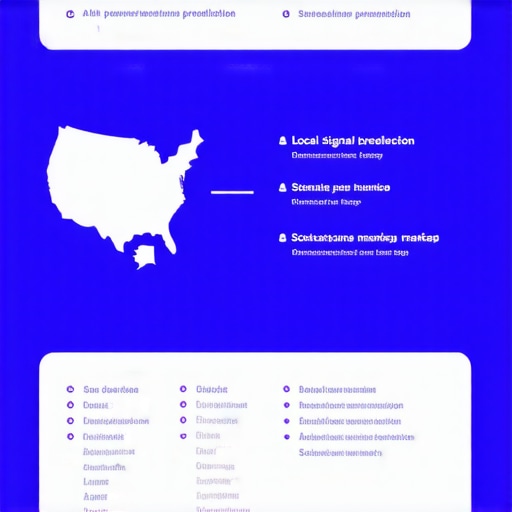
Increasingly sophisticated local algorithms are beginning to interpret user intent more precisely, which means business owners must tailor their SEO efforts accordingly. Differentiating between informational, transactional, or navigational queries allows optimization of content and service offerings to match actual searcher needs. For example, optimizing for ’emergency plumber near me’ requires different keyword strategies and content structuring than ‘best plumbing services in [city].’ This nuanced targeting not only improves rankings but also elevates conversion rates—a critical metric for service providers.
By integrating insights from user behavior analytics and localized intent, service professionals can create hyper-targeted campaigns that resonate with their audience’s immediate needs. Seeking continuous feedback through direct engagement, reviews, and survey data further refines this personalized approach. Stay updated with leading industry reports, such as those from SEMrush or Ahrefs, to keep your strategy aligned with evolving user expectations.
Harnessing Hyper-Localized Data for Next-Level Map Optimization
Future-proofing your local SEO strategy means embracing hyper-local data points like pedestrian foot traffic patterns, real-time service demand surges, and micro-location signals that extend beyond traditional proximity metrics. Integrating these insights into your Google My Business (GMB) and content strategies allows your business to resonate more deeply with nearby consumers actively seeking your services. Tools such as GIS mapping platforms and advanced analytics dashboards enable these granular insights, ensuring your business remains at the forefront of local search prominence.
Could Micro-Targeting Revolutionize Your Local Map Rankings?
Absolutely. Micro-targeting involves tailoring your online presence to hyper-specific neighborhoods or even individual communities, leveraging geospatial data. This approach not only boosts relevance but also reduces competition within densely saturated markets. Incorporate localized content, community-specific keywords, and neighborhood landmarks into your listings and site architecture. For authoritative guidance, consult Moz’s recent study on hyper-local SEO strategies, which emphasizes the importance of community-centric signals in 2026.
Implementing Real-Time Engagement Signals to Dominate Local Search
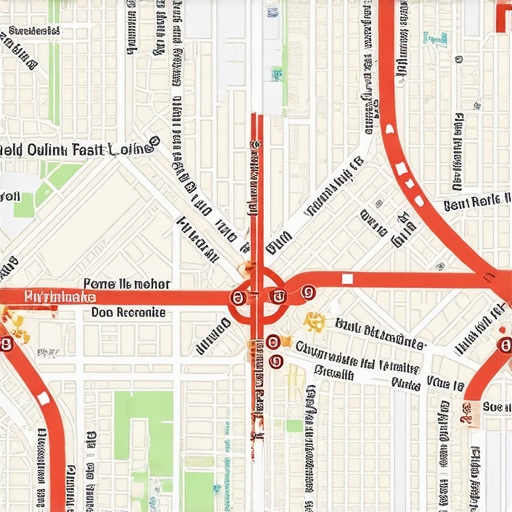
In a landscape where user engagement metrics directly influence rankings, integrating real-time interaction capabilities such as instant chat, appointment scheduling, and personalized messaging can significantly impact your local map visibility. These functionalities not only enhance customer experience but also send positive signals to search algorithms regarding your responsiveness and customer-centric approach. Sophisticated CRM integrations enable automated, yet personalized, engagement that aligns with evolving user expectations in 2026.
Enhanced Schema Markup: From Basic to Dynamic Service Profiles
Traditional schema markup offers static descriptions, but the latest developments advocate for dynamic schemas that adjust based on user behavior, seasonality, or service availability. Utilizing structured data that adapts—such as showing current promotions or live booking statuses—provides search engines with richer context. Implementing these dynamic schemas requires meticulous planning and validation but can dramatically improve your business’s appearance in local snippets and map packs.
Are Your Schema Strategies Keeping Pace with Technological Evolution?
Fitting your schema markup into the latest standards ensures your data remains effective. Regular audits with Google’s Rich Results Test and Schema Markup Validator help identify gaps or outdated configurations. Advanced schema practices, like integrating event data for seasonal promotions or personalized service availability, can elevate your visibility in competitive local searches, especially when paired with AI-driven content updates.
Engage with industry peers and SEO experts to refine your schema implementation continually. Remember, the goal is seamless, machine-readable data that tells your full story to search engines and users alike.
Leveraging Predictive AI to Stay Ahead in Local Map Rankings
Predictive analytics powered by AI not only reveal current performance metrics but also forecast future fluctuations influenced by seasonality, local events, or algorithm shifts. By harnessing these insights, your business can preemptively adjust targeting strategies, content focus, or reputation management efforts. Advanced solutions analyze vast datasets—ranging from local demographic shifts to competitor activity patterns—empowering proactive decision-making that secures your top positions.
How Can Local Reputation Building Surpass Reviews Alone?
While reviews remain important, cultivating a comprehensive local reputation involves engaging in community initiatives, sponsoring local events, and generating authentic user-generated content that showcases your community involvement. These activities not only fortify local trust but also introduce diverse signals that search engines interpret as authority-building efforts. Study reports from BrightLocal demonstrate how authentic community engagement correlates with improved map rankings in highly competitive regions.
In the rapidly evolving landscape of local search, staying ahead requires more than basic optimization. It demands a nuanced understanding of emerging signals, advanced tactics, and the strategic application of technology.
Reputation isn’t just reviews anymore
Authentic community engagement and hyper-local content now play pivotal roles in elevating your map rankings. Building trust through genuine interactions and localized storytelling can outshine traditional review metrics.
Leverage AI for predictive insights
Harnessing AI-driven analytics allows contractors to anticipate shifts in local demand, optimize service areas, and personalize outreach. This proactive approach ensures sustained visibility amid fierce competition.
Optimize for voice and visual search
With voice assistants and visual recognition gaining prominence, integrating natural language keywords and high-quality visual content becomes essential for dominating local map results.
Utilize granular schema markup strategies
Moving beyond basic structured data, dynamic and service-specific schemas improve search engine comprehension and snippet richness, translating into higher click-through and conversion rates.
Engage in hyper-local micro-targeting
Focusing campaigns on micro-markets or neighborhoods via geospatial data enhances relevance, reduces competition, and fosters deeper community trust—ultimately boosting rankings and leads.
Recommended Expert Resources for Deepening Your Strategy
- Mastering SEO for Contractors: A comprehensive guide on advanced local optimization tactics tailored for service providers.
- Local Marketing Blueprint: Insights into multi-region expansion and hyper-local marketing efforts.
- Home Services SEO Unleashed: Cutting-edge techniques to outperform competitors in Google Maps and local packs.
Synthesizing the Future of Local SEO
As the landscape shifts towards AI integration, hyper-local signals, and immersive content, contractors and service pros must adapt with agility and expertise. Those who combine strategic community engagement with technological innovation will not only rank higher but also foster loyalty and trust within their markets. Dive into these resources, experiment boldly, and share your insights—because in 2026, mastery of local SEO isn’t just an advantage; it’s a necessity for enduring success.


![5 Local SEO Fixes for Trades Managing Multiple Crews [2026]](https://seoforservicebusinesses.com/wp-content/uploads/2026/03/5-Local-SEO-Fixes-for-Trades-Managing-Multiple-Crews-2026.jpeg)
Sophia Carter
This article hits on a crucial point that even as local map optimization becomes more sophisticated, the fundamentals like genuine user engagement and hyper-local signals are still king. I’ve seen firsthand how incorporating real-time data, like dwell time and behavioral signals, can make a real difference in a competitive market. It’s interesting how these advanced tactics, like geo-fencing and personalized schema, are now accessible even for small businesses willing to adopt new tech. One challenge I face is balancing technical optimization with authentic community involvement, especially in smaller towns. Have others found effective ways to integrate AI tools without losing that personal touch that local customers value? Looking forward to more strategies on blending these approaches for maximum impact.